

Center focuses on attaining abilities post-injury


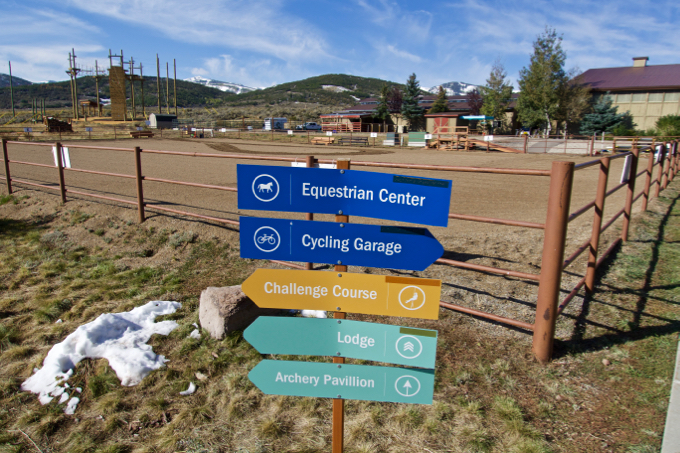
A variety of athletic activities are available at the National Ability Center. Photo/Kathryn Reed
By Kathryn Reed
PARK CITY, Utah – The name of a business can be incredibly powerful; the words that are chosen and the ones left behind.
Such is the case with the National Ability Center in Utah. Disability is hardly in the staff’s vocabulary. They work with people who have orthopedic, spinal cord, neuromuscular, visual and hearing impairments, and cognitive and developmental challenges. It’s all about finding ways to cope under new circumstances.
Founded in 1985, the mission of NAC “is to inspire individual achievement and create a global impact for people of all abilities.”
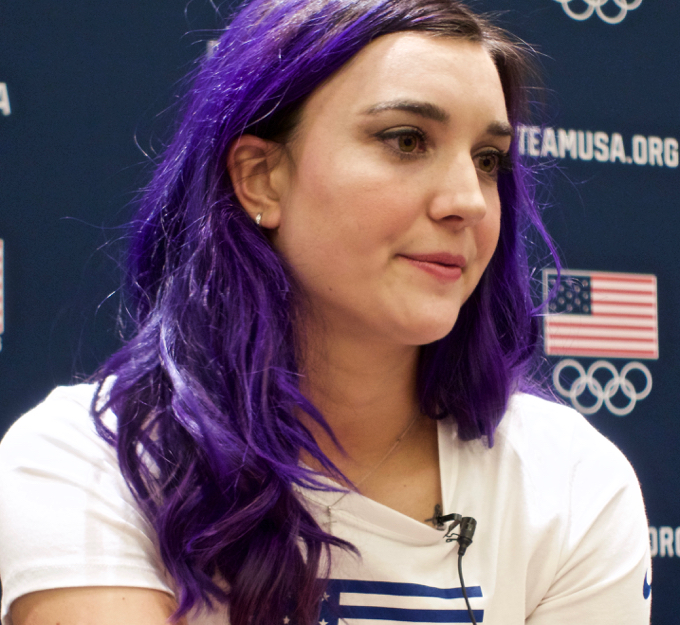
Brenna Huckaby credits NAC for helping her make the 2018 U.S. Paralympic team. Photo/Kathryn Reed
“I wouldn’t be where I am without NAC. I started there,” Brenna Huckaby told Lake Tahoe News. “They taught me how to snowboard.”
This world champion snowboarder hopes to compete in the 2018 Paralympics in South Korea.
She was a gymnast before osteosarcoma required her right leg be amputated. Huckaby, who hails from Louisiana, had not snowboarded until being invited to NAC for an event for cancer survivors who had lost a limb.
At the Sochi Games in 2014, NAC had 18 athletes representing nine countries.
The Utah nonprofit has 26 acres in Park City. They also have access to Park City Ski Resort. Earlier this year NAC and the ski resort signed a 50-year lease that will allow the center to build a 10,000-square-foot facility and get out of the double-wide trailer they’ve been in for years.
“We’re fortunate to host a facility and team that provides such outstanding services to kids, veterans and families with different abilities and we’re proud to partner with the NAC to make these life changing programs available. This land lease marks the start of an exciting project that will further elevate the offerings to Park City Mountain guests and supports individuals and families not only locally but also from across the country,” Jessica Miller with Park City Ski Resort, told Lake Tahoe News.
Elite athletes are a tiny component of NAC’s clientele.
In the last five years NAC has seen a 96 percent growth rate. On a tour of the facility, CEO Gail Barille explained this is in part because people are living longer with more challenging abilities, the on-going military conflicts, and the increase in awareness of the ability movement.
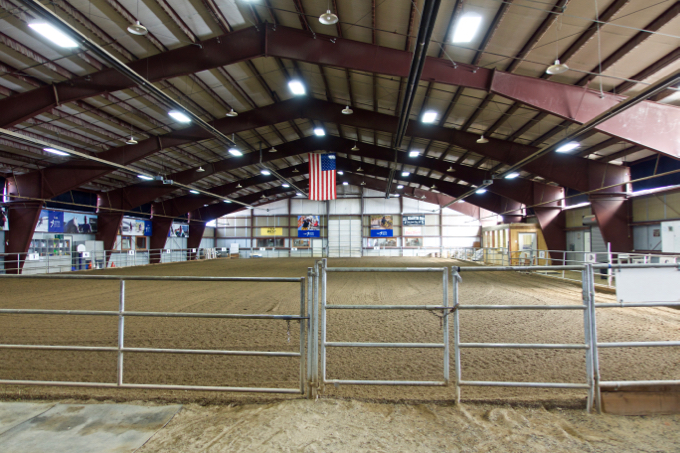
Equestrian therapy can help build self-esteem and combat PTSD. Photo/Kathryn Reed
The largest population served are active duty, injured military and veterans, as well as children and adults with varying degrees of autism.
Ages 4 to 99 have been helped by NAC, with the center now seeing about 5,500 people a year.
Program fees cover about one third of the expenses, with donations providing the remainder.
Staff starts with working on individual goals. It might be that the person wants to achieve independence. Or maybe they want to be able to ski with a child or grandchild.
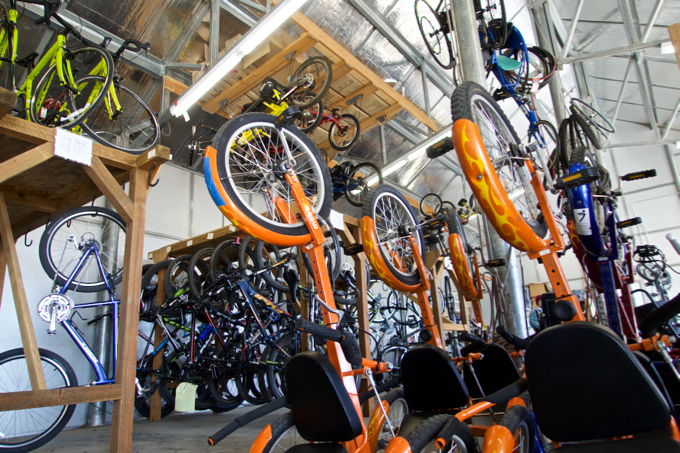
Bicycles come in all shapes and sizes for adaptive needs. Photo/Kathryn Reed
A new injury often means redefining their life. That’s why it’s so important to talk to others who understand.
While NAC is known for athletics, that’s not all it offers.
“Part of what we try to do here is give people a place to connect,” Barille told Lake Tahoe News. “We have a support network. They meet others in the program.”
Families, groups and individuals are welcome. Sleeping accommodations are available on site for 52 people. The plan is to build a combination of 12 cabins, yurts or tent platform facilities.
“We use recreation to build cohesion and self-esteem,” Barille said.
At the main campus, which was built before the 2002 Salt Lake City Winter Olympics, a variety of activities are available.
A large garage houses an array of bikes. Adaptive bikes range from about $2,500 to $10,000. NAC is able to fit a bike to a person and maintain it as well.
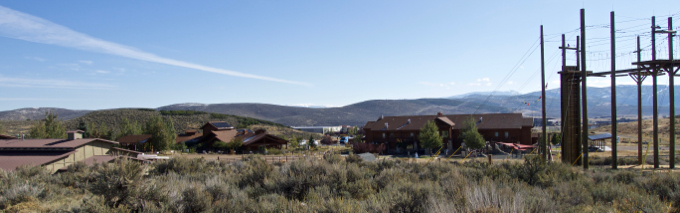
A challenge course, right, is part of the “back yard” at the NAC. Photo/Kathryn Reed
Duct tape and padding are common components. Some cyclists have used bungee cords to bind their knees for support. Adaptive, it’s the key word.
NAC has 250 partner programs who use the equipment, such as veterans and muscular dystrophy organizations.
The equestrian facility includes an indoor arena. People with post-traumatic stress are known to benefit from working with horses. The outdoor arena will soon be moving behind the bike barn to provide a more isolated environment for people.
A gym, challenge course, indoor rock climbing wall, archery and hiking trails are all right there. The center also works with individuals who are interested in swimming, sled hockey, water skiing, wakeboarding, kayaking, canoeing and paddle boarding — and of course all the snow sports.
