

Star Guide: How bright is your night sky?


By Tony Berendsen
If you’re a star gazer, you may be interested to know how to measure the darkness of your night sky? Maybe you’d even like to become a citizen-scientist and make a measurement from your backyard contributing data to the Globe at Night campaign?
The darkness of the night sky is actually measured as the brightness of the night sky; the brighter the sky, the fewer stars you can see at night.
During the day the sun’s bright light obscures our view of the stars. Then, during twilight as the sky dims, planets and stars begin to appear as sky brightness fades. The brightness of the sky at night depends on a variety of natural and human light sources. Atmospheric conditions such as clouds and haze can affect brightness too. Even the stars themselves contribute to sky brightness. If we removed all other sources of light, the sky at night would not be completely dark.
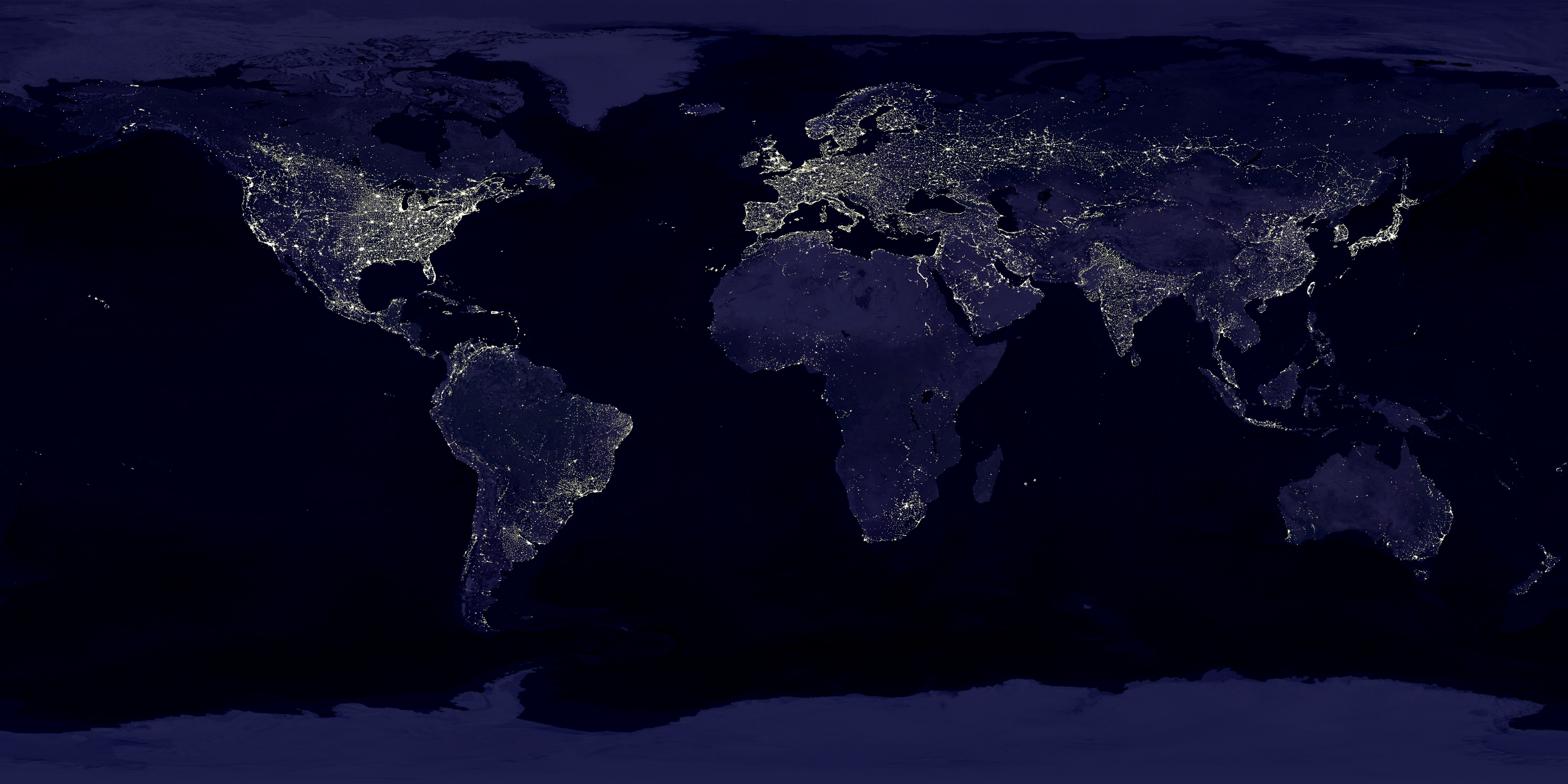
The night sky is impacted by light pollution. Photo/NASA
Beside the occasional light of the moon, it is human caused light that obscures the stars from nighttime view. We call this light pollution. It’s most prominent in urban areas, but exists in rural areas with poorly designed lighting. When outside lights are pointing up instead of shielded and reflected to the ground scattered light brightens the sky. It is true that just one poorly designed light can locally outshine the shimmering majesty of a billion stars in our galaxy.
“Globe at Night is an international citizen-science campaign to raise the awareness of the impact of light pollution,” according to the National Optical Astronomy Observatory. If you take part in sky brightness measurements through the program, you will be contributing to a worldwide map of the sky brightness from the surface of our planet documenting the loss of our view of the stars across the planet.
The program asks people to become citizen-scientists and to collect sky brightness measurements during specific times of each month of the year. For October this year measurements are made from Oct. 21-31.
To make and report a measurement, go online and follow the instructions on what to observe and how to report. Constellations are used to identify the area of the sky to be measured. If you aren’t constellation savvy a star gazing app or star chart from Astronomy magazine or Sky and Telescope can be very helpful.
There are several methods for measuring sky brightness, Globe at Night uses comparative star charts. Some additional methods are Sky Quality Meter, the Bortle Scale, and recently an app that works with iPhone — Dark Sky Meter pro.
As a traveling outreach astronomer I see the Milky Way in dark sky locations many times during the year. When I’m home in Reno, I can see our galaxy from my backyard. But that could change with one poorly placed light adding too much brightness to my neighborhood.
How many stars can you see from your backyard citizen-scientist? How bright is your night sky?
Tony Berendsen runs Tahoe Star Tours. He may be reached at 775. 232.0844 or tony@tahoestartours.com.
