Community garden sprouts from loss of family home

By Leona Allen

My father was the consummate naturalist and environmentalist. He paid attention to his surroundings, and worked hard to ensure that the native flora and fauna had a place to exist. He strove to educate others on the importance of the smallest plant and the largest mountain. He recycled before it was “cool” to do so. And he spent more time reveling in the beauty of nature than paying attention to things man made.
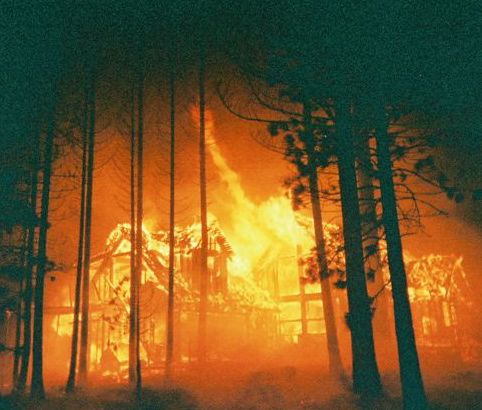
Angora Fire -- 5 years later

He shared this spirit of the outdoors with my mother, and together they always worked hard to surround themselves with gardens that mirrored the native species of the Sierra. It then made sense that after the Angora Fire’s devastation to their home, that dad would decide to not rebuild, but rather to give back to the neighbors he loved so much by creating a garden.

When we sat down to discuss the concept, there were a few things that he was sure about. First, he wanted it to contain flowers, shrubs and trees that are native to Tahoe. Second, he wanted it to be something beautiful. And lastly, he was adamant that his beloved neighbors have access to the property.

Sadly, my father did not last too much past developing his initial idea. He was 90 years old at the time of the fire, and the event had taken its toll. Two years later he succumbed to old age and congestive heart failure. But the idea lived on, and after sharing the idea with the Tahoe Resource Conservation District (TRCD) we started to conceptualize on paper.

My history with the wonderful folks at TRCD had been steeped in education from the beginning. As a defensible space inspector for Lake Valley Fire Protection District, my job was to be a “landscape therapist” of sorts for homeowners whose surroundings put themselves and their neighbors at risk for spread of fire. As has been demonstrated in fire after fire across the nation, defensible space can make the difference between a bit of smoke damage to a house and total loss. I was tasked with showing our constituents how their property can be altered and managed to create a fire-safe environment while being pleasing to the eye.

TRCD was developed to help people protect land, water, forests, wildlife, and related natural resources with backyard conservation programs. They also work with their partner agencies to integrate all aspects of their conservation programs with fire defensible space, water conservation, fertilizer management and wildlife habitat enhancement. They are a non-regulatory, grant-funded, not-for-profit agency.
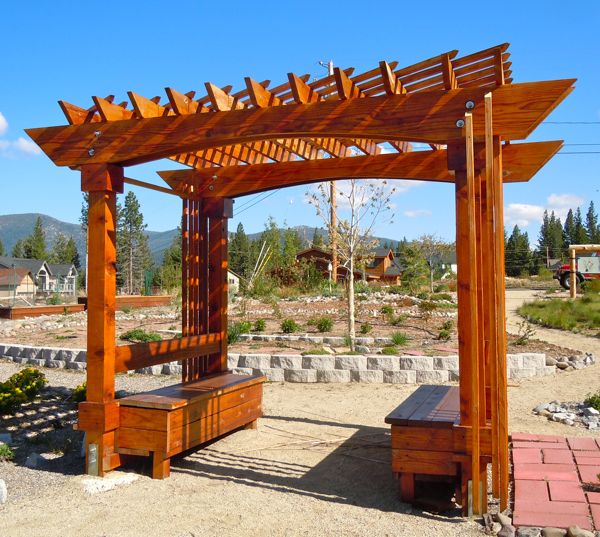
The gazebo beckons people to sit for a bit. Photos/LTN

We all worked together at various public events, and eventually started inspecting properties together so that we weren’t telling the homeowners conflicting procedures and regulations. It was obvious that we all shared a strong sense of our natural environment and appreciated the uniqueness of our surroundings. In sharing my dad’s vision, my enthusiasm for the project caught on and soon we had ideas on paper. Drawings led to gaining support from others. Encouragement led to funding sources. And finally, the first dedication ceremony was June 6, 2009, where our first deciduous tree – a maple – was planted.

During the first year, we overcame a few challenges with the support of neighbors, local garden enthusiasts, Tahoe Regional Planning Agency staff, Lake Valley Fire
This handmade rock conveys the garden's purpose.

Protection District, South Tahoe Public Utility District, Aspen Hollow Nursery and Tahoe Outdoor Living. A mound of dirt was placed on the property so that we could demonstrate plants and stabilization alternatives appropriate for sloped properties. Three large cedar trees were planted on the mound – compliments of my uncle and aunt, Dan and Sydney Kurtz – which were followed by several other evergreens. Deciduous trees were planted and a riparian area was formed, complete with a conveyance swale lined with rock.

Paths were also designated, and with the hard labor of many volunteers decomposed granite was carefully placed to encourage foot traffic and prevent erosion. Lake Tahoe Community College’s Demonstration Garden donated four fruit trees that had to be removed from their property, and the wildlife garden
The Evans and Allen families demonstrate a sense of community by giving the neighborhood a garden of growth.

started to take shape. Plants and shrubs were carefully placed by members of local garden clubs, and birdhouses were built by the Boys and Girls Club. As winter settled on the property, a real garden had begun to take shape. To my amazement, before the snow fell we were witness to an array of wildflowers blooming – columbine and monkey flower to name a few.

During the first year’s work, we realized that a corner of the garden was starting to sprout on its own without help from anyone. It was decided that this area should be allowed to come back without our intervention to demonstrate how natural recovery from a fire takes place.

In 2010, the snows melted early and we were able to start work in earnest. The first things I noticed upon setting foot on the property that year was that the trees had buds on them – a good sign that they were taking root. Best of all, however, was a mother bird hovering near the birdhouse. Her eggs were inside. Later, we were to find evidence of a robin’s nest in the cedar trees. The local wildlife had found the garden, and approved.

We immediately started working on irrigation issues with a drip system. All of us had taken turns watering the garden as needed, but a drip system would save water and give our volunteers some time to themselves. We also planted more in the riparian area with the assistance of the local Girl Scout Troop and their beautiful hand-made garden tiles. The South Tahoe Rotary Club came for a day of major planting and soil moving.

On Father’s Day of that year, I sat on the garden wall to see the progress that we had made. To my delight, that was the day chosen by the birds to try their first flight. I was able to watch the young birds as they tried out their wings for the first time, looking much like Snoopy’s friend Woodstock. After many “first flight” tries and a few crashes, the youngsters were able to make it around on their own.

The summer saw many volunteers in the garden, including a group of Russian students and an environmental educational program from the American River Conservancy/Sierra Epic Adventures. With their help, many new plants were placed in the garden and a lot of weeding was accomplished.

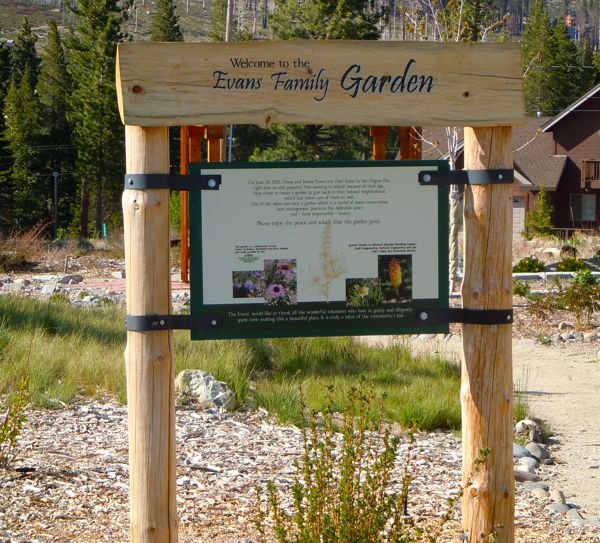
In my hours spent at the garden, I also watched people walking by and talking about the flowers but never setting foot on the property. We realized that a “welcome” sign of sorts was needed, and began the design of our interpretive sign. With the most generous assistance of Angie’s Signs, we created a work of art that explains the garden’s purpose and encourages entrance to the property. From then on, neighbors and visitors alike began to come on to the paths and explore the work being done.

The other planned structure was an arbor, which represented the home in the defensible space equation. My husband, Mark, and our friend, Michael Keiser, were put to work. Both had backgrounds in construction and woodworking, so the task suited them perfectly. Before we knew it, a beautiful redwood arbor had been completed at the rear of the property, complete with benches that could house tools and equipment. The timing was perfect, as winter again ascended on the garden – this time with a blanket approximately 4-feet high.

As we all know, the summer of 2011 got a late start. By the time the snow melted, the flowers were very ready to bloom. All the winter’s moisture proved to do well, and the garden was rife with currant, serviceberries, lilacs, iris, lavender, thyme and daisies. Nature at its best. As well as a cottage garden and some wildflowers, we built two raised beds and a moveable compost box. With several organically grown starts, we planted zucchini, tomatoes, peppers, mint, rosemary, cucumbers and potatoes. Much to my pleasant surprise, the garden exploded with produce — only the cucumbers didn’t succeed. As of the writing of this article, I am still knee-deep in blanched and frozen zucchini (which comes as no shock to those who have grown it, I’m sure!).

We also found ourselves doing a lot of maintenance work on what we had already planted. After all, what is a garden without invasive species, pruning needs, voles, and weeds to keep us busy. But with the generosity of our volunteer gardeners and the TRCD staff, we watched the winter take over feeling satisfied that our garden had taken shape quite beautifully.

So now begins another season of planting, mulching, repairing, digging, volunteering, and generosity. We look forward to this time of growth, and welcome anyone who wishes to help out. You can check out the garden at www.evansfamilygarden.org or contact TRCD at (530) 543.1501 – ask for Jennifer Cressy or Courtney Walker.

And thank you to the folks who have donated so much to our project:

American River Conservancy/Sierra Epic Adventures

Lake Tahoe UCCE Master Gardeners

Local Girl Scouts, Boys and Girls Club and Rotary Club

Lake Valley Fire Protection District

Tahoe Resource Conservation District

Nevada Fire Safe Council

South Tahoe Public Utility District

Tahoe Regional Planning Agency

Aspen Hollow

Tahoe Outdoor Living

Mapes Landscaping and Snow Removal

Earth and Stone Landscapes

Swift General Engineering

Western Nevada Supply

Herback General Engineering.

Leona Allen Evans Family Garden is online.


USFS: Looking back at Angora provides lessons for the future


By Nancy Gibson

The Angora Fire was a significant and emotional event for the U.S. Forest Service Lake Tahoe Basin Management Unit, just as it was for the community as a whole. Many of our employees are members of the Meyers community, and experienced the emotional trauma of evacuation or learning of homes that were damaged or destroyed. Our wildland firefighters joined firefighters from our local districts and CalFire, among others, all of them true heroes as they fought to contain the wildfire and protect our neighborhoods from further harm.

Five years later, I want to take a moment to look back and see how far we’ve come. But I also want to look to the future, and the work that’s left to do.

In the fire area itself, we’ve made significant progress, including addressing immediate safety concerns, preventing erosion and runoff, and thinning trees to reduce fuel that could feed another wildfire in the decades to come. We’ve also planted thousands of native trees to help restore a healthier forest. During the summer, we’ll be continuing fuels reduction and working to improve our road and trail system. In the next few years, restoring Angora Creek and Seneca Pond will close out our efforts to restore the fire area.

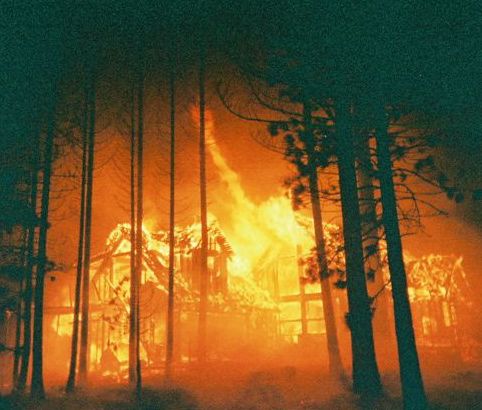
Angora Fire -- 5 years later

Most residents of the Lake Tahoe Basin probably know by now what I mean when I say fuels reduction – thinning trees and removing brush that could allow a wildfire to spread rapidly and with greater intensity. The Angora Fire gave our fuels reduction treatments their first test. These treatments proved very effective, performing as intended in dropping the fire down to the forest floor and providing firefighters a safer place from which to defend the neighborhoods. Their effectiveness could clearly be seen in the still-green trees that remained in many of the treated units.

In the early days of our fuels reduction efforts, we often heard from residents and long-term visitors who were taken aback by the appearance of the forest after we thinned the trees. In the years since Angora, the community has become much more accepting of fuels reduction and prescribed fire. We will depend on this support for active management as we implement the South Shore Fuel Reduction and Healthy Forest Restoration Project, meant to help protect Lake Tahoe’s largest community from wildfire.

During a span of eight years, we will complete initial treatments to reduce forest fuels on more than 10,000 acres, from the Nevada state line to Cascade Lake. For the first time on the California side of the lake, we’ve reached agreements with regulatory agencies that will allow us to effectively treat stream environment zones, using chainsaw crews and mechanical equipment. We’re working with our partners to develop projects that reduce risk to our communities while respecting our environment. With the Incline, Carnelian and West Shore projects in the planning and permitting phases, we must all remain committed to streamlining the approval process and getting projects on the ground.

LTBMU Forest Supervisor Nancy Gibson plants trees in the Angora burn. Photo/Provided

While we’re making progress on many fronts, I am concerned that we’ve failed to heed one of the most critical lessons of the Angora Fire. On June 24, 2007, the simple, thoughtless act of making an illegal campfire and leaving it burning on a windy day caused hundreds of families to lose their homes and forced thousands of others to evacuate. Despite the teachable moment provided by this devastating fire, human activities remain the cause of most wildland fires in the Lake Tahoe Basin. The Forest Service is proud of our record for wildfire suppression. But given the wrong mix of conditions, any one of these fires has the potential to become another Angora.

As we approach the summer after an exceptionally dry winter, I know we’re all a little uneasy. Let’s focus that energy on remembering the hard-taught lessons of Angora and preparing the best we can. As forest supervisor, I’ll be working with our staff to implement forest health and fuels reduction projects. At home, I’ll make sure I’ve done my defensible space, stay alert to fire danger and prepare an emergency plan for my family. I hope you will do the same. Please stay safe this summer.

Nancy Gibson is forest supervisor for the Lake Tahoe Basin Management Unit.


No arrests ever made in Angora Fire

By Kathryn Reed

Even if someone were arrested or admits to having been responsible for the Angora Fire, he or she may never be punished other than through their own guilt or if vigilantism takes over.

Angora Fire — 5 years later

It would depend on the state and/or federal charges that could potentially be levied against the person or persons if he or she would be brought to justice. Various statutes of limitations have passed or are close to passing.

Hundreds of people were interviewed after the June 24, 2007, fire that reduced 254 houses to ashes. It was almost immediate that fire investigators located the ignition point near Seneca Pond in the Upper Truckee neighborhood on the outskirts of South Lake Tahoe.

“On the second day of the fire a group of us narrowed it to the general origin area,” Beth Brady, fire investigator with the Lake Tahoe Basin Management Unit, told Lake Tahoe News.

While a person of interest was questioned extensively, not enough evidence could be secured to arrest that person.

“We often go after wildfires civilly instead of criminally. It has to do with intent,” explained Lauren Horwood with the U.S. Attorney’s Office in Sacramento. “Arson is willful, deliberate. If it’s negligence, that is different than a crime.”

The El Dorado County District Attorney’s Office is now the lead agency on the investigation. Investigator Bill Dillard told Lake Tahoe News tips still occasionally come in and all are followed up.

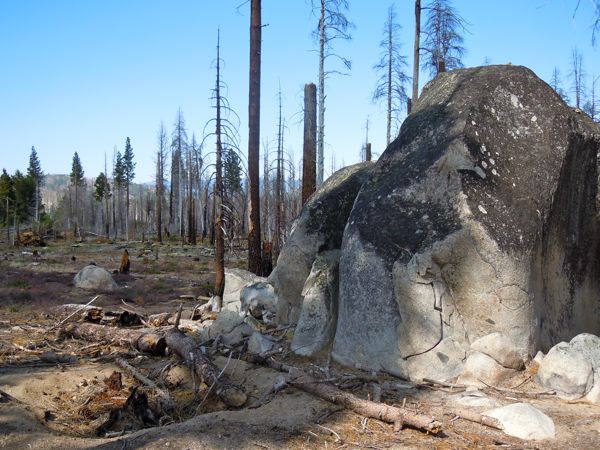
What the area near where the Angora Fire started in 2007 looks like five years later. Photo/LTN

“In this particular case I have a strong suspect lead, but I don’t feel like there is enough probable cause to go forward,” Dillard said.

Finding the origin

Because of the intensity of the fire Brady and others were not able to get into the Seneca Pond area the first day. But she knew based on reports from firefighters first on the scene and the fire’s behavior where it was likely to have started before stepping into the forest.

With the houses already destroyed, this blaze was significant on Day 1. A high-level fire investigator was brought in to see if he would narrow the ignition area to Seneca as well without being told what others were thinking. He came to the same conclusion.

Investigators use a process adopted by the National Fire Protection Association to track down where a fire started.

“We work our way backward following burn patterns and marks left on trees and rocks,” Brady explained. Witness statements factor in as well.

After the larger perimeter is established, investigators begin looking for micro indicators of the fire’s origin.

“We still look for marks left, but we could be on our hands and knees looking at individual pebbles or grass stems,” Brady said.

Angora was determined to have started by a campfire that was not fully extinguished. This is a locals spot; a known spot for young people to party. Seneca is a decent size pond about a quarter mile in from the houses on Seneca Road. Beyond it are some large granite boulders, with the largest one being the closest to where the campfire was.

“At this particular campfire there was limited forensic evidence, but there were certain characteristics of the campfire that were unique. But for the integrity of the case we don’t want to describe what they were,” Brady said. “I will say it did not have evidence of a large party fire we see in the woods … where there is a big bonfire and lots of beer bottles around.”

Without being shown where the starting point was or being a fire investigator, it would be impossible to know where the location is.

But looking around, surveying the area today, lush green is just to the south of the spot. The winds swirled that Sunday, bringing the fire close to the streets that lead to this play area before flames whipped north up Angora Ridge and through the neighborhood just below it. So many trees here and elsewhere in the burn area are white. The bark is gone. It’s like they are skeletons of a forest.

“I hope and pray that one day we will find out who is responsible and we hold them responsible so there is closure for this community,” Dillard said.

——

Note: Anyone with information regarding the Angora Fire investigation is encouraged to contact Bill Dillard at william.dillard@edcgov.us or (530) 903.8041.


State senator to host Angora forum

State Sen. Ted Gaines, R-Roseville, is hosting a forum June 25  related to issues five years after the Angora Fire.

He plans to give an update on the Blue Ribbon Fire Commission’s recommendations, educate people about what has been done and what still needs to be done to ensure future fire safety.

A helicopter gets water from a lagoon in Tahoe Keys at corner of Lassen and Texas streets. Photo/Steve Ellison

The 6-8pm event is at South Tahoe High School.


A job to do as community burns, friends lives unravel

By Susan Wood

When the Lake Tahoe sky turned orange and black over the North Upper Truckee area five years ago, our land of blue was changed forever.

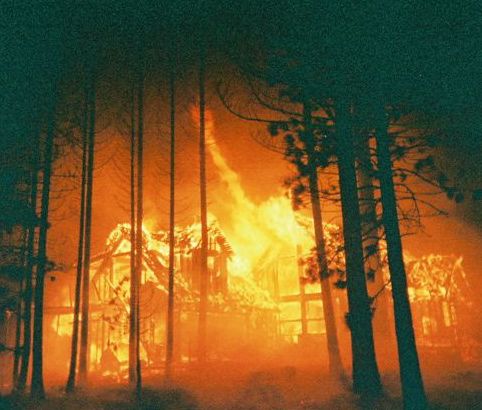
June 24, 2007, started out like any other late-spring Sunday. People were out and about. Some ventured out of town to get an early taste of summer. Of course I remember thinking it was breezy on the South Shore. So when the call later known as the Angora Fire came over the police scanner at 2:14pm, I soon learned what wind mixed with an unattended campfire could do as it rolled over slash piles, trees, brush and hundreds of homes.

Angora Fire -- 5 years later

As the reporter on duty, I threw on the fire suit in the Tahoe Daily Tribune’s newsroom and headed down Highway 50 toward the Y and onto Lake Tahoe Boulevard. The huge plume of smoke told me this was no ordinary fire. It was indeed unprecedented.

In my many years of being a news reporter, including at large papers, I’ve responded to several fires. Nonetheless, being first on the scene brings a lot of responsibility. My truck raced by Sawmill Pond, beating a police barricade erected later. I parked east of the much-destroyed Mule Deer Circle after turning my truck around for a quick escape between Clear View Drive and Coyote Ridge Circle. Embers were blowing everywhere, and houses erupted in flames around me as I walked up Lake Tahoe Boulevard to North Upper Truckee Road — a neighborhood known for its permanent residents. My heart sank.

Homeowners were desperately throwing belongings in their vehicles. People were screaming, and others were running east. I peeked through the houses at what appeared to be a wall of fire mowing down everything in its path. Hot and determined, the fire crackled, groaned an eerie sound and filled the air with smoke.

Stopping to call in updates to the newsroom made it challenging. For one, a microscopic ember curled its way around my safety goggles, burning my left eye. With my good right eye, I saw small fires starting around my truck. As I contemplated leaving, the person I wanted to see most drove up in a U.S. Forest Service truck. It was Kit Bailey, Lake Tahoe Basin Management Unit fire management officer. Bailey is often serious, but the steadfast concerned expression across his face said it all. The fire was in control and taking many homes on its path as it headed over Tahoe Mountain Road and Gardner Mountain.

I needed to get in front of the fire so I drove back down to Sawmill Road where an El Dorado County sheriff’s deputy was holding back a resident wanting to get her cat out of the house and was willing to risk arrest to do so. I felt bad. So many brave stories of neighbors rescuing trapped animals were told later. Some pets didn’t make it.

My thought at the time was: What if the fire rolled over Tahoe Mountain and the Angora Ridge to the Fallen Leaf Lake community? Getting out of there would be a nightmare.

I picked up Sierra Nevada Media Group photographer Kat Allison, whose bravado is larger than her logic. I decided to drive back to Highway 89 and go up Fallen Leaf Lake Road, where another deputy stopped my progress before reaching Tahoe Mountain Road. We turned around, parked and scampered up the ridge in our hiking boots in time to see an army of firefighters from an onslaught of agencies awaiting its fierce arrival. Fire burns faster up hill, and this one was extremely hot as it roared over boulders and houses. Part of the fire had already arrived, consuming at least one Uplands Way house in my peripheral vision.

Upon my return to my office, my heart poured out again. Many homeowners were already emailing me to see if I knew whether their houses were standing. Even my fellow writer, then Sports Editor Steve Yingling, saw me open a topographical map and asked about his home on Boulder Mountain Road. I didn’t want to jump to conclusions, but my anxiety rose because I knew the path mowed through that area. And by that time, it was hot and unrelenting.

Susan Wood was the first reporter on the scene of the Angora Fire on June 24, 2007. Photo/LTN

My colleague lost his home, but found his black cat, which returned days later to the burned-out fireplace hearth.

Randy Peshon, Norma Sprague, Keith Cooney, Solange Schwalbe, John and Louise Simon — so many stories like these with names we know were shared for days, weeks, months and years after the Angora Fire, which consumed 254 homes, caused more than $160 million in damage and consequently prompted swift changes to stringent environmental regulations and cooperative emergency communication systems. (No local radio reports came over the airwaves, and calls from Lake Tahoe Golf Course were quickly dismissed by the California Highway Patrol dispatch center in Truckee as a “control burn”.)

The hope is we’ve learned a lot from the experience. (Hence, a first-of-its-kind study examining the communication, prevention and recovery of wildfires is being drafted by the University of Colorado. Read about it June 17 as this writer took part in the study’s questionnaire.)

The aftermath resembled ‘the last days’

After a near sleepless, emotionally draining night, I returned Monday morning to what seemed like the scene of a crime. As I drove up Lake Tahoe Boulevard to North Upper Truckee, power lines were down. Ash filled the air and blanketed the ground. A few people were out sifting through debris. So many sites were simply marked by a fireplace or burned out vehicle. I talked to homeowners, but felt as though I wanted to back off and just take it all in. The scene was nothing short of devastating. The neighborhood was gone.

How would we recover? Would the fire take more with it as it mowed through Gardner Mountain and threatened South Tahoe High School structures before making its way down to Highway 89?

Placing priority on home

Tuesday was marked as yet another day of picking up the pieces of our community and writing about it. I was emotionally drawn to the point of the fire’s origin and arranged a special visit with the Forest Service’s law enforcement team. I stood motionless and quiet at the illegal fire site near Seneca Pond – a favorite party spot for teens — with utter amazement as I was told how the fire from Saturday night had sparked up and was carried in the wind the next day. My thought was: Whoever did this would have to live with themselves and could they?

That afternoon I was tested as the scanner in the busy newsroom erupted again. A backfire jumped Highway 89 and landed in the West Way area. I gulped to think of the inadequate Lukins Water system serving that area. Evacuations in a heavily populated area leading into Tahoe Keys were under way. I had to get home to evacuate. I live outside the Keys.

Getting home was much of the adventure that afternoon as motorists found plenty of curbs, fences and easements to roll over in their haste. Tahoe Keys Boulevard resembled a parking lot as yet another round of panicked residents felt displaced. Surely, an emergency evacuation plan was in order for an area I later learned was deemed in the red as an extreme fire hazard, according to the California fire marshal’s office. (To this day, there is no designated evacuation route for the South Shore. It depends on the emergency.)

You know what people ask: What would you take if you had to evacuate in a matter of minutes? The answer for me was clear: Things I couldn’t replace. Bailey, our black Labrador, went into my truck camper bed first. She was later surrounded by documents, photo albums and even the Olympic torch that I carried on Sierra Boulevard in 2002. I threw in camping gear to be mobile. But which bicycle was a more perplexing question.

There’s indeed a psychological benefit to watering down your house, fence and trees with a garden hose waiting for a fire to arrive, but that’s about it. You can bet a fire of this magnitude would dry out whatever I doused as it forced me out, and I knew this.

I remember being ever so thankful that my neighbor John Poell is a very skilled firefighter with Lake Valley Fire. He fought it at the highway before that danger was diminished.

Frayed nerves — that’s how I would describe my community’s initial reaction in the first few weeks of the most significant disaster on the South Shore of Lake Tahoe. After the fire was mopped up, community meetings showed angst, anger and concern.

Still, even in the face of trying to find those responsible, working through insurance plans, dealing with survivor’s guilt, clearing debris and avoiding unscrupulous contractors, the community pulled together with donations, moral support and even a bistate Blue Ribbon Commission headed by then Republican California and Nevada Govs. Arnold Schwarzenegger and Jim Gibbons tasked with making constructive changes to handling fire fuel reductions in the basin.

As part of a small effort to clear our hearts and minds, a makeshift parade was organized to celebrate the living spirit of our town.

For me, the catharsis of the disaster was encapsulated by a visit down Coyote Ridge with Tribune colleague John Simon and his wife, Louise, a longtime teacher with Lake Tahoe Unified School District.

I drove the two of them beyond the police barricade days after the fire, so they could see their home. As they surveyed the wreckage of their completely destroyed home, they found solace in little items and minor things that survived. I’d never see John cry. But in such a brave, cleansing act, he felt OK to embrace Louise in front of me and sob like a baby. I wrapped my arms around both of them, and tears came streaming down my face. They were looking for her wedding ring (which later was miraculously found).

I wished my tears could have drowned this fire. I sobbed thinking of so many displaced, scared and without essentials. I had held it together until then. There was so much to grieve and little time to allow for it. One of my nephews had also died on that fateful day.

You can bet I won’t forget it.


Reflections of Angora Fire 5 years after the devastation

Life goes on, but that does not mean we can or should forget the past. To do so means the likelihood of forgetting what we have learned. Complacency can set in – which is never a good thing.

That is why with the five-year anniversary of the Angora Fire coming up later this month Lake Tahoe News is taking a look back and a look forward. This fire that started on June 24, 2007, wiped out 254 houses on the outskirts of South Lake Tahoe. These were homes primarily filled with our friends and colleagues.

While no one has been brought to justice for not fully extinguishing the campfire near Seneca Pond that started the fire, the investigation continues.

Angora Fire -- 5 years later

The people living in the Angora burn at the time of the fire and today are resilient folks. They had to endure heartache and suffering, and still today all the wounds are not healed. Perhaps, they never can heal. But the people are moving forward.

We know it can be hard to do so when reminders of the fire can’t be ignored. Charred trees still dot the landscape. Winds blow like they never did before. Lights from neighbors are visible when before the trees blocked that glare.

Vegetation and animal life have changed. It’s not just the people who were affected by this inferno.

Plenty of lessons have been learned from this fire that burned about 3,100 acres – mostly on U.S. Forest Service land, caused more than $150 million in damage and cost $23 million to fight.

About 80 percent of the terrain burned in Angora was charred within eight hours.

What has happened to that land in the last five years and do we have the resources to fight another Angora?

Those questions and more will be answered during the course of the next four Sundays as Lake Tahoe News explores various aspects of this wildland fire.

We have not attempted to cover every angle of this fire and the aftermath. We are not here to point fingers.

What we hope the four-day series will do is provide a glimpse of what has gone on in the past five years. It’s also an opportunity for people and agencies close to the fire to offer their perspectives.

Anyone who was here while the fire raged has a story to tell. We hope you will share yours during the question of the week that is posted on Wednesdays, through letters, or in comments. But, please, be respectful in your comments on stories.

We want to thank everyone who wrote a story for this endeavor, who shared his or her stories. Thank you to the U.S. Forest Service and Lake Valley Fire Protection District for providing many of the photos. Thank you to Tahoe Production House for compiling the video and slideshows.

Thank you to the firefighters, law enforcement and others who contributed to ensuring not a single life was lost and that the fire, while horrendous, was not any worse than it was.

Thank you to the people of the Angora burn area – those who stayed and those who moved elsewhere – for showing everyone what courage, tenacity and community are all about.

Facts:

• June 24, 2007, Angora Fire started

• July 2, 2007, fire fully contained

• 3,100 acres burned

• 254 houses destroyed

• July 5, 2007, bi-state commission formed

• Aug. 9, 2007, Stan and Diana Freeman are the first to pour their foundation.

• 56,317 tons of ash and rubble were removed and transported for disposal (2,823 truckloads); 6,134 tons of concrete (352 truckloads) and 2,001 tons of metal were recycled (90 truckloads); and 8,511 tons of trees were recycled for lumber (405 truckloads).

• El Dorado County waived building fees for people not expanding their footprint. However, more than half went bigger.

• May 27, 2008, governors declare state of emergency in Lake Tahoe Basin. Fire commission’s 247-page report’s six categories are: Environmental Protection, Issues of Governance, Community and Homeowner Fire Prevention, Forest and Fuels Management, Fire Suppression, and Funding.

• June 2008, 63 percent of the homeowners had filed building plans with the county. Of those 161 permits, 153 applications were filed in 2007 so they could use California’s old building regulations.

• June 2012, of 499 affected parcels, seven vacant parcels have changed ownership, 77 single-family residences have changed ownership.


LTN tidbit 31: Plotting a course for the future

May is 31 tidbits about Lake Tahoe News month.

LTN tidbit No. 31:

This is it, the final Tidbit of the series. The rest will remain up for a while under the LTN Tidbits category at the top of the page. We hope you have learned a bit about Lake Tahoe News – Tahoe’s only daily news source — this month.

So, what is next for Lake Tahoe News and our readers?

We plan to use video in the future. The first segments have been produced by Tahoe Production House to accompany a series of stories that will start running in June. More about that series will be disclosed on June 2.

A three-part series of stories are in the works for July. It’s about a divisive topic on the South Shore. We need for it to solidify more before we give away too many details.

We are figuring out where to have a booth at different events around the area this summer so we can have more personal contact with our readers. When those dates are locked in we’ll let you know where to meet us.

And the biggie is that we are going after adjudication. We need to get as many paid subscribers as possible before we go into court. Oh, and we need to be 3-years-old. That happens Labor Day weekend.

Here is information about becoming a paid subscriber.

And that’s just what we know is coming up in the next few months – keep reading because we’ll keep evolving.


LTN tidbit 30: A big thank you for keeping LTN in the black

May is 31 tidbits about Lake Tahoe News month.

LTN tidbit No. 30:

Lake Tahoe News is in the news business. That last word – business – is in many ways the unpleasant part of the whole process. If it were just about writing, editing, photographing and publishing – well, it would be all about the reader, as we’ve mentioned before.

But it costs money to pay the people who are responsible for Lake Tahoe News. And we really do like writing checks, but we also need to be cashing some to make the whole business thing work.

Right now we want to thank the people who have us making deposits. It is because of advertisers, donors and paid subscribers that we are able to keep going day in and day out.

We would like to give special recognition to the advertisers who started with us in 2009 and are still part of the Lake Tahoe News ad team: Barton Health Care, Deb Howard Realtor, Lake Tahoe Community College, Sierra-at-Tahoe, South Lake Tahoe Parks and Recreation, and South Tahoe Refuse.

And thank you to everyone who has donated through the years – for believing in what we are doing and knowing any start-up is fragile – and starting any business in a recession, is well, use your own adjective.

Paid subscriber forms are rolling in. We thank all of you as well. These contributions have run the gamut, but no matter the contribution amount, knowing you want to be part of the team is appreciated beyond words.

Here is information about becoming a paid subscriber.


LTN tidbit 29: Images tell a story all by themselves

May is 31 tidbits about Lake Tahoe News month.

LTN tidbit No. 29:

Sometimes images tell a story better than words. That is why the Gallery (accessed at the top of the page) has groups of photographs without words.

This is an easy way to look at images without reading the story.

You can view them as a slideshow or click on each one so they are larger.

In the future we anticipate adding a video component to the Gallery.

Here is information about becoming a paid subscriber.


LTN tidbit 28: Figuring out where stories are filed

May is 31 tidbits about Lake Tahoe News month.

LTN tidbit No. 28:

Lake Tahoe News uses broad category names to classify stories instead of drilling down.

One day we might expand beyond what we have or add subcategories. It will depend on what readers desire, what makes sense and how much content we produce on a daily basis.

People have the most questions about the Feature and Grab Bag categories. Featured Articles are the ones that have been the lead story of the day. They are then categorized into one of the other sections as well.

Grab Bag is for items that don’t fit under one of the other traditional categories. This is where super short stories – briefs – are found. We also put Snippets in Grab Bag. This is a collection of short (a sentence or two) items that are thrown together with five or six items contained in each Snippets.

Sometimes we file things under more than one category because we know not everyone goes to each category and it could easily be considered two things. For example, the recent mining story about Yosemite was filed under News and Outdoors & Sports.

Obits are always filed under Lifestyle, with the occasional one also being a News story.

Most animal stories are under Outdoors – because that’s where they live.

Travel pieces are usually in the Lifestyle section because we are writing about a lifestyle.

If all of this seems too confusing, one way to keep in the know is to get the daily digest each morning. It gives you the headlines from the last 24 hours. Just put your email address in at the bottom right of the home page to activate that free service.

That is different than becoming a paid subscriber – which right now only costs you a buck, unless you want to offer more.