Crystal Basin recreation closures may impact basin
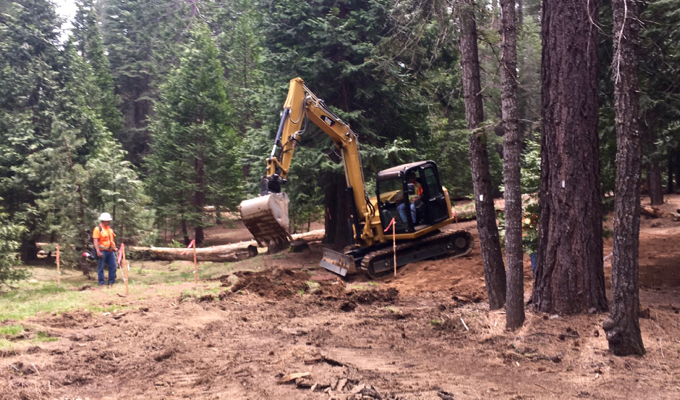
Crystal Basin Recreation Area is being overhauled. Photo/Terra Breeden

By Terra Breeden

The Crystal Basin Recreation Area is getting a $150 million makeover that could affect Tahoe while renovations are under way.

In an effort funded by the Sacramento Municipal Utility District (SMUD), the recreation area is being updated with new campsites, facilities, and installments. The massive renovation project is expected to take place over the next two decades.

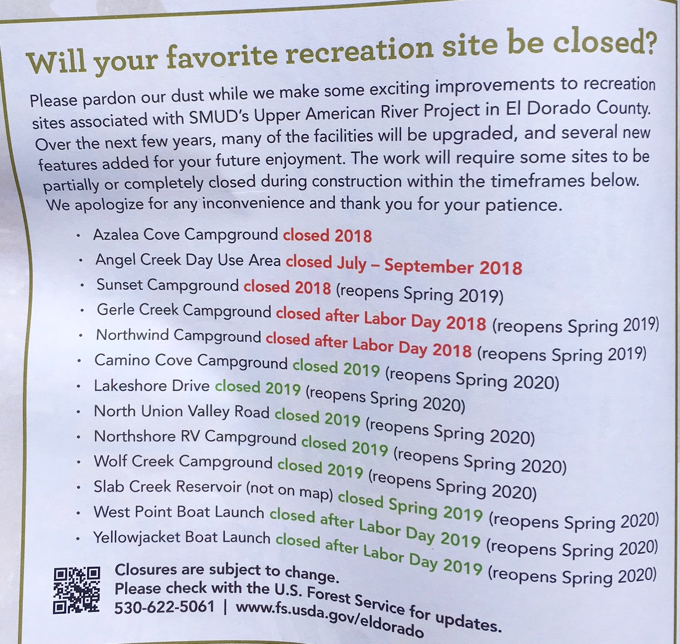
This summer, Sunset Campground, the largest campground in Crystal Basin with 131 sites, will undergo the first renovation and be clneosed to the public during construction, which will take two years. More campgrounds are slated for renovations afterward. U.S. Forest Service officials predict that the recreation area closures will defer many visitors to Tahoe for outdoor activities.

“Considering people will be displaced from Crystal Basin, there will most likely be an increase in visitation to adjacent areas, including Lake Tahoe,” District Recreation Officer of the Pacific Ranger District Becky Shufelt said.

Crystal Basin welcomes about 350,000 to 500,00 visitors annually and is by far the most popular recreation zone in Eldorado National Forest. Offering an array of activities like hiking, biking, camping and horseback riding, and boasting nine reservoirs, the region is a haven for outdoor enthusiasts.

The area was designated as an outdoor destination in 1957 through a partnership between the U.S. Forest Service and SMUD. Crystal Basin is part of the Upper American River hydroelectric project, founded by SMUD. The reservoirs and dams in the area provide electricity to homes in Sacramento and the Bay Area. Although the reservoirs were originally built to produce hydroelectricity, they have become a popular recreation zone in the decades since.
“When you create reservoirs, you create boating opportunities, and the SMUD partnership with the USFS is what made this recreation area possible,” SMUD rep Darold Perry told Lake Tahoe News.

However, as popular as Crystal Basin is, it has not been renovated since its creation, and campgrounds and facilities are severely outdated. Recently, SMUD obtained a new license from the USFS to operate the Upper American River project in the area and part of the agreement was that SMUD would renovate the Crystal Basin recreation facilities for visitors. The result is an enormous construction project that will take up to 20 years.

“The old deteriorated campgrounds were built over 50 years ago. It will be nice to get those updated and improve the visitor experience,” Shufelt said.

For the renovations, the Crystal Basin campgrounds will be updated with new picnic tables, animal-proof storage lockers, and several group sites will be added. New restroom and shower facilities will be built, and in an initiative to help lessen trash and alleviate some of the wildlife issues that have been rising in recent years, recycling bins will be installed in all of the campgrounds.

However, all of these renovations require closures. The campgrounds, especially Sunset Campground, are usually fully booked through the summer and although there are a few sites that are first come, first serve, there is often a line out the gate to claim these spots. With all of the campground closures due to construction, most significantly Sunset Campground, Forest Service officials expect to turn away many visitors this year.

“We are a very busy area and with all of the construction activity we are urging people to rethink if this is the area for them to come to or not,” Shufelt said. “Having a large campground like Sunset be closed for almost two seasons has a huge impact. The public may want to go to some other areas around the forest or explore neighboring national forests for their summertime recreation.”

7 riders to watch in the Tour of California

Cyclists start the Tour of California in Long Beach. Photo/Ashton Lyle

By James Raia, Sacramento Bee

Climbers, sprinters, all-arounders, Olympic medalists, Tour de France stage winners, world titlists, new pros and peloton veterans.

The 17 men’s teams and 15 women’s squads in the 13th annual Amgen Tour of California are as diverse as the fields in any pro bike race.

The women and men will be in South Lake Tahoe on Friday.

Read the whole story


Rivers rushing for stellar rafting season

By Tom Stienstra, San Francisco Chronicle

The first summer tease, with temperatures in the 80s, arrived last week in the Sierra foothills. But the real treats are in the rivers that cascade down the flank of the Sierra Nevada for rafting, water sports and camping.

Memorial Day weekend is two weeks away and the rafting and camping season is a go for summer.

Earlier this month, after an analysis of the High Sierra snowpack and downstream reservoir levels, water agencies and rafting outfitters met in friendly talks to reach a near-guarantee of rafting flows through summer for many rivers on the flank of the Sierra, said Nate Rangel of Adventure Connection.

California has roughly 20 rivers on which pro outfitters run trips. Snowmelt is feeding many rivers with clear, clean flows. In many watersheds, releases from near-full reservoirs guarantee rafting flows all summer.

Read the whole story


Supreme Court allows sports betting across the country

By Pete Williams, NBC News
 
WASHINGTON — The U.S. Supreme Court acted Monday to bust Nevada’s monopoly on legal sports betting, allowing more states to get in on the action and reap the tax benefits.

The court, in a 6-3 ruling, struck down a federal law that required states to ban gambling on the outcome of sporting events. The Professional and Amateur Sports Protection Act was highly unusual: It did not ban sports gambling nationwide as a matter of federal law, but it said the states were not allowed to permit it. (Nevada was grandfathered in when the law was passed in 1992.)

Read the whole story


Conference highlights importance of rivers

By Linda Fine Conaboy

OLYMPIC VALLEY – One of the popular terms heard during the River Network’s River Rally was “citizen scientist.”

In workshop titled Restoring and Connecting a Wild & Scenic River, presenter Carrie Banks from Massachusetts said that she uses citizen scientists to prioritize projects, secure funding, document crossing and stream function, among other jobs.

Bank’s presentation was followed by another, Sierra Headwaters: Protecting and Restoring Rivers at the Source, where Rachel Hutchinson discussed the Yuba River watershed and Beth Christman from the Truckee River Watershed Council gave an informative overview of the Middle Martis Wetlands Restoration Project.

The task, to ameliorate the situation with the wetlands, started with a creek that was too small to handle the job, Christman said. The Middle Martis Creek channel was undersized for even moderate flow, there was lots of undercutting and meadow degradation, as well as highway flooding.

After bringing different entities together, they completed the job just before the advent of one of the largest water years ever recorded in the Sierra—the record-setting event of 2016-17. The restoration came through brilliantly, doing its job efficiently and with very little damage, much to their satisfaction.

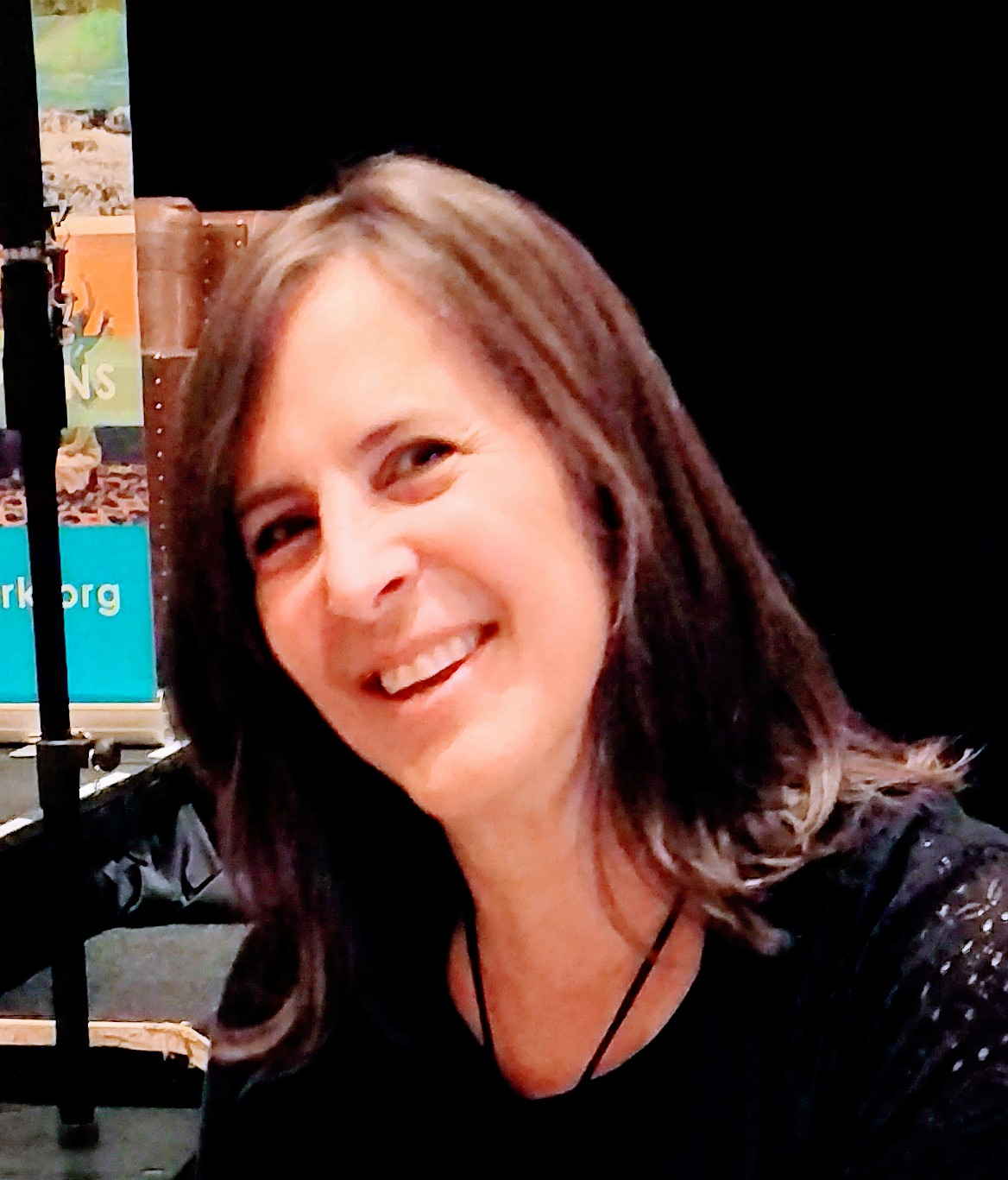
Nicole Silk, president of conference host, River Network. Photo/Linda Fine Conaboy

“Besides surviving that winter, we learned that a restored meadow is able to retain much more carbon, so the project is considered a huge success,” Christman said, referring to the fact that many meadows within the Sierra are highly degraded because of their carbon-rich soils, which allow a large amount of carbon dioxide to be disseminated into the atmosphere.

More than 500 people attended the April conference at the Resort at Squaw Creek in Olympic Valley. Each year the event is at a different locale, attracting water warriors from at least 40 states and representatives from Canada and Australia. The purpose is to connect local water champions, and empower organizations and individuals with the tools, training, and resources needed for success.

“Every year we move to a new location to connect with people whom you wouldn’t know or be able to learn from,” said Nicole Silk, president of conference host, River Network. “It’s the only conference of its kind where you can connect with people who are working at the local level on healthy rivers and clean water all over the country. The conference offers knowledge to fill your tool kit; it is inspiring and we do a lot of celebrating. We step back and recognize river heroes—we don’t do that enough. We connect people to save rivers.”

She explained that this is the 19th anniversary of River Rally and that they decided Lake Tahoe and environs were the perfect environment in which to celebrate. “We knew we wanted to be on the West Coast, close to water and the snow is beautiful. Lake Tahoe is just down the road, and the water quality of the lake is extraordinary,” she enthused.

As organization president, it is Silk’s fondest hope that people come away inspired to do more for local waters and leave with more tools than they came with to get that job accomplished.

With 91 learning opportunities including six keynote speakers and plenaries, 74 workshops and 11 field trips over a three-day period, the atmosphere was definitely upbeat and inclusive. Workshops at the event included Defending the Waters of the United States; Partnering up for Conservation; Connecting People to Rivers; Water Infrastructure for a Sustainable Future, with more than 30 in all.

“We are the foremost national nonprofit connecting water-focused organizations, agencies, businesses and communities for greater local impact and healthier rivers across the U.S. We are the only national non-profit with this unique focus,” Silk told Lake Tahoe News.

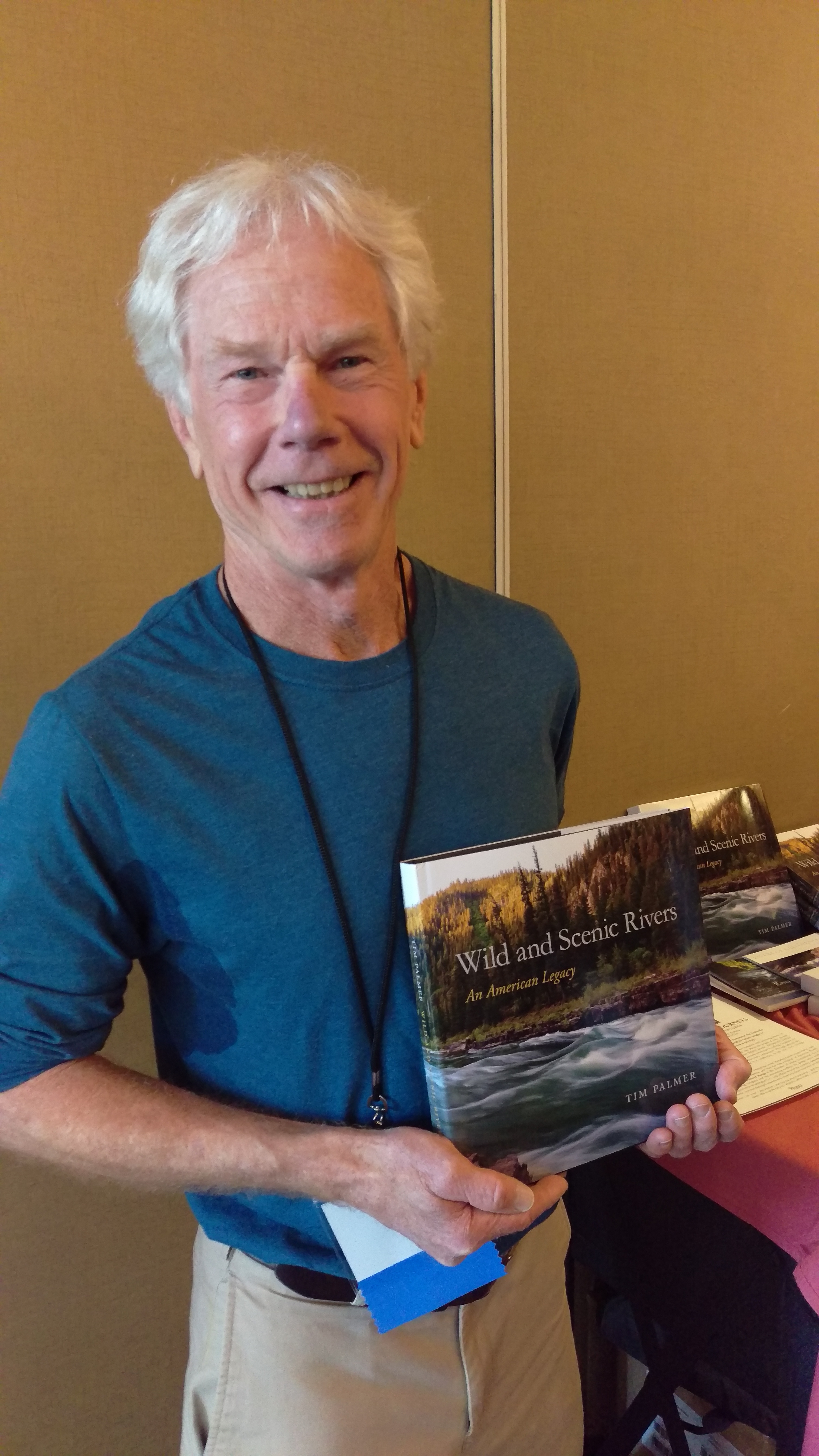
Kick off speaker was author, adventurer, photographer and river master Tim Palmer, who offered his audience an enlightening overview of the Wild and Scenic Rivers Act of 1968, which is a rivers system created by Congress to preserve certain rivers with outstanding natural, cultural, and recreational values in a free-flowing, un-dammed condition for the enjoyment of present and future generations.

Palmer showed a film highlighting some of the beautiful, free-flowing rivers with scenery so stunning you definitely wanted to book a trip on the Snake, the Klamath, the Rogue or any of the other unfettered wild rivers where Palmer is privileged to navigate his boats. 

Now, there are more than 300 rivers across the U.S. possessing the Wild Rivers designation; in 1968, there were only 12.

Tim Palmer is an advocate of keeping rivers wild and scenic. Photo/Linda Fine Conaboy

Palmer explained that the 1950s is also known as the era of the big dams, with many being built during that period on numerous unsuspecting rivers—this was a state of affairs not to the liking of three-term congressman from Arizona, and secretary of the Interior from 1961-69, Stewart Udall. Udall enlisted the help of then-first lady Lady Bird Johnson, who was perhaps instrumental in convincing her husband to begin the protection of rivers.

The Wild and Scenic River Act became law with its nearly unanimous passage 50 years ago. It carried two stipulations, Palmer said: 1) that the waterway be free-flowing and; 2) that it contain one or more outstanding qualities, such as unique geology.

Considering that within the United State, a water crisis looms that includes issues of security, affordability, quality and access—more than one-third of Americans are at risk of losing affordable drinking water and more than half of all of our rivers remain in poor health.

And, as Palmer said, “The advent of global warming makes it even more important to protect our rivers. That, and the push from the mining industry, which is battling to strip away designations so they can begin mining along wild rivers.”

According to Palmer, this makes it even more important to protect as many rivers as possible and provide them the protection of the Wild and Scenic Rivers Act. Many rivers, he said, are now queuing up to receive the protected designation. The good news, he reiterated, is by vision and planning, the program has grown from just 12 to more than 300.

“We are all children of the Act,” Palmer said. “Rivers are lifelines; they connect us. They deserve protection.”


Rain, road closures forecast for Amgen bike event

It must be time for the Amgen bike race because the weather forecast for Lake Tahoe has changed from summer back to winter-ish.

While it’s a week out for the cyclists to hit South Lake Tahoe, it’s too far away to definitively say rain will be part of the mix. But wet weather is going to start this weekend and some weather sites say it will last a week.

Weather seems to always play a role in this race when Tahoe is part of the mix. One year it was snowed out, the start temperature has been a concern in the past, and wind is an element.

Rain is something these professionals can deal with. Thunder and lightning could be a different story.

The women participating in the Tour of California will spend all of May 18 in the region, while the men’s stage 6 ends at Heavenly Mountain Resort that day. All athletes will climb Kingsbury Grade – a first for the men.

The women will start at the Cal Lodge at 11am, with the first racers expected to finish at 2:18pm. The men should arrive about an hour later.

The women start and end at Heavenly. They will go out Pioneer Trail, over Luther Pass, make a loop in Woodfords, go along Foothill Road to Kingsbury back to the ski resort. The men will do much of the same route once they hit Hope Valley.

Kingsbury Grade will likely be closed from 1-3:30pm that Friday. Expect 20-minute rolling closures on Highway 50 in the Stateline area in that time frame. There will be temporary road closures all along the route.

— Lake Tahoe News staff report


Tennis available for youth in Zephyr Cove

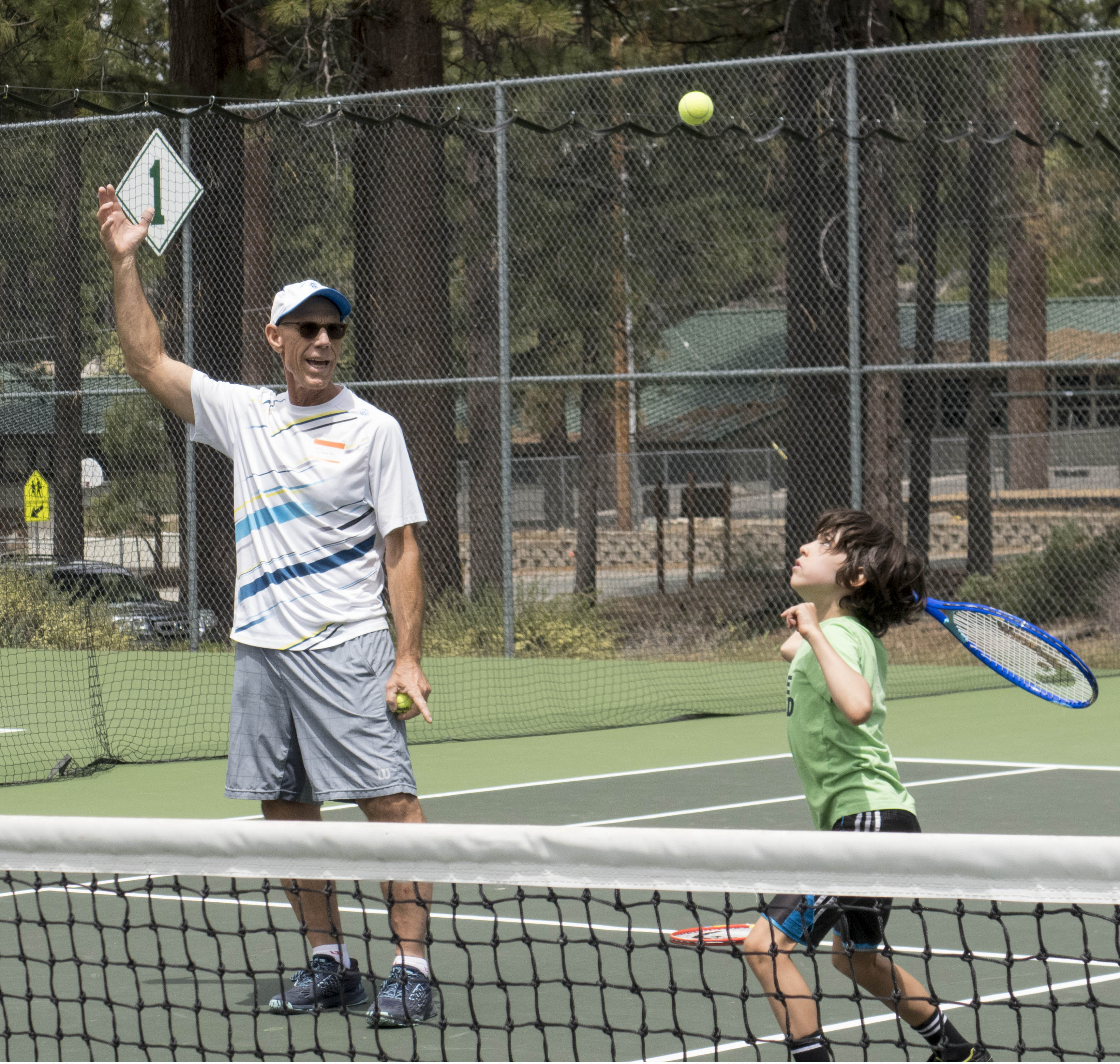
ZCTC pro Dave Nostrant helps Dylan Bradley learn to serve. Photo/Provided

Zephyr Cove Tennis Club with second year head pro Dave Nostrant is putting a greater emphasis on getting kids onto the court.

The summer starts with a free session for ages 4-12 on June 9 from 11am-1pm. Registration information for this event will be available soon online.

For more intense instruction in June there will be two four-day camps divided into three age groups. It’s possible to sign up for one or both sessions. Registration is online. July dates will be July 9-12, July 16-19 and July 23-25. Times, prices and registration will soon be posted on the club’s website.

June sessions are:

·       June 11-14 and June 18-21

Ages 4-5, 1:30-2:15pm, $30 per four-day session

Ages 6-8, 3:30-4:30pm, $40 per four-day session

Ages 9-12, 4:30-5:45pm, $50 per four-day session.

Nostrant’s philosophy is to impart the love of the sport into youngsters, while helping them achieve the basic understanding so they can then play on their own, and then to have more experienced players learn the nuances of the game.


As winter warms, bears can’t sleep

By Kendra Pierre-Louis, New York Times

There are certain axioms about the natural world we learn as children. The sea is salty. Plants grow toward light. Bears hibernate in winter.

But as climate change leads to warmer winters, later falls and earlier springs — which can disrupt both food supplies and biological rhythms — American black bears are changing their hibernation routines, scientists say. In some cases, bears are not hibernating at all, staying awake all winter. In others, bears are waking from their slumber too early.

For every one degree Celsius that minimum temperatures increase in winter, bears hibernate for six fewer days, a study found last fall. As global temperatures continue to rise, by the middle of the century black bears may stay awake between 15 and 39 more days per year, the study said.

Read the whole story


Online poker play may be making a comeback

By Richard N. Velotta, Las Vegas Review-Journal
 
Online poker may be making a comeback.

Years of legal wrangling led to the nation’s first regulated web poker industry when Nevada introduced it in April 2013.

It took a long time for that launch because critics for years had pointed to the federal Wire Act, which bans betting across telecommunications lines. Poker aficionados argued the game wasn’t gambling because they view poker as a game of skill. That skill set involves assessing whether the player sitting across from you is holding a winning hand or is bluffing — an assessment that is lost in the online version of the game.

Read the whole story


ZCTC season starts with doubles tourney

Roland Garros may have names like Williams, Federer and Nadal, but the tournament doesn’t have players who made it to district and sectional tournaments in Northern California this spring.

That’s because those tennis stars will be at Viva La Tennis at Zephyr Cove Tennis Club on May 26 – the eve of the French Open.

While ZCTC is home to some outstanding, competitive tennis players, it is also known for having a relaxed, fun, and social atmosphere. To showcase how it combines the serious with the playful, the club is hosting Viva La Tennis. The doubles tournament is the kick off to the season.

No need to have a partner because the tournament director will assemble the teams. All ages and abilities are encouraged to play.

The event is free to club members, $15 for others. Those who become a member that day will have the tournament fee waived. A barbecue lunch is included. (Membership is $90.) Participants are encouraged to bring a side dish or dessert, as well as beverage of choice that does not come in a glass container. Get more information on the club’s website.