Money fuels discussion about fire issues in basin

By Susan Wood

It’s been said time and time again: Leave it to a disaster to pull people together. Now the hope is the money will follow the people.

That was the overriding message conveyed Wednesday night at the South Lake Tahoe City Council Chambers by a high-profile panel speaking about the work of the Blue Ribbon Fire Commission formed by Govs. Arnold Schwarzenegger and Jim Gibbons as a result of the Angora Fire. Three years ago, the blaze ripped through 3,100 acres of the Upper Truckee neighborhoods and destroyed 254 homes and the confidence of many who call Tahoe home.

Assemblyman Ted Gaines, center, speaks with constituents July 14 about fire issues. Photo/Susan Wood

Assemblyman Ted Gaines, center, speaks with constituents July 14 about fire issues. Photo/Susan Wood

“We’re not the same as we were before the Angora Fire,” South Lake Tahoe Mayor and panelist Kathay Lovell told a group of about 30 citizens who came out for the forum moderated by California Assemblyman Ted Gaines, R-Roseville.

Each person on the seven-member panel provided an update of where the region stands on what’s been done and what needs to be done to get the wildland urban interface area, aka – those zones that link the cities with the rural landscape – back to an acceptable level of forest health.

Terri Marceron, Lake Tahoe Basin Management Unit forest supervisor, announced her hot-off-the-press report of the U.S. Forest Service’s findings of no significant impacts received on the Angora Fire Restoration Project. The study encompasses the Angora burn area, which stretches up Lake Tahoe Boulevard, into the North Upper Truckee neighborhood and alongside Gardner Mountain.

The 1,416-acre plan calls for planting trees, removing dead ones, rechanneling Angora Creek, removing invasive weeds, restoring the Gardner Mountain meadow and rehabilitating Seneca Pond – located near the point of origin of the blaze caused by an illegal campfire. The remaining 1,300 acres of National Forest will be untreated. The public has 45 days to challenge the plan.

Marceron billed the findings as a significant leap in plowing ahead with the overall rehabilitation plan. Up to this point, the first phase involved the mop-up and the second included erosion control measures. This third, long-term stage is scheduled to begin in the fall.

The timeline hasn’t moved fast enough for John Adamski, who provided a heartfelt and frustrated plea to the federal government to move faster on its South Shore Project, a 10,000-acre fuel reduction and forest health plan that is in the works. He alluded to his 200 neighbors wondering: “Why should I treat my defensible space if the Forest Service is not doing their work?”

Marceron assured the citizenry LTBMU “has the findings and the funding” – including $3.5 million from recent federal stimulus funds — to move ahead with its plans.

Now it’s up to the reauthorization of the Lake Tahoe Restoration Act to keep the momentum going. It’s up to Congress to make that happen. This was a point of interest panelist and Tahoe Regional Planning Agency chief Joanne Marchetta keyed into.

Marchetta told attendees she’s proud of the accomplishments made by the organizations the panelists represent and the changing nature of the TRPA.

She mentioned expanding the size of a tree deemed OK for removal without a permit as one example. It was 6 inches. After the fire, the regulatory agency, once viewed by some as obstructionist, increased the size to 14 inches. The bi-state fire commission submitted 55 recommendations for TRPA, and it upheld them – including a multi-faceted cooperation with fire agencies and residents that allows for a record 68,000 acres treated for fuel reduction and 772 homes completing defensible space measures.

“Our priority is the partnership. TRPA is changing. I had to evacuate my home. The safety of this community is paramount, it’s our primary concern,” Marchetta said.

The balance between erosion control and fuel reduction is a tricky one for fire departments and water quality agencies. It takes time, staff and money – big money to the tune of approximately $5 million a year to maintain a healthy forest that won’t erupt into a firestorm like what was experienced on the South Shore on June 24, 2007.

Fire commission member John Pickett, who serves on behalf of the Tahoe Basin Fire Safe Council, provided the ominous dollar figure when South Lake Tahoe resident Carl Ribaudo inquired about “the magic number” the multi-agency task force would need to avert such a disaster.

“I think the taxpayer wants to see continual improvement,” Ribaudo said.

With that, Lake Valley Fire Chief Jeff Michael reminded the group that money should be “an ongoing issue” for fuels treatment.

Cindy Gustafson, general manager of the Tahoe City Public Utility District, would like to see the state kick in funds for fire suppression for her 26 individual water systems.

Gaines took note of what he and his colleagues in the Legislature could ensure is the still non-existent state budget.

The other panelists were Bill Holmes of CalFire and Lauri Kemper with Lahontan Water Board.



Celebrity Golf a massive money maker for LT Airport

By Kathryn Reed

One need never go to Edgewood Tahoe Golf Course to know the celebrity golf tournament is going on now. Just listen. Hear that plane traffic? It’s the golfers in their expensive planes flying in and out of Lake Tahoe Airport.

“I can tell you they have a large impact on the airport,” Sherry Miller, airport director, said of the celebrities who land in South Lake Tahoe.

A limo is set to transport the group that arrived via this XQJet on July 13 at Lake Tahoe Airport. Photos/Kathryn Reed

A limo is set to transport the group that arrived via this XQJet on July 13 at Lake Tahoe Airport. Photos/Kathryn Reed

They started arriving July 8. Some of the players who are here for the tournament that runs through Sunday come early to get acclimated to the higher elevation, and to walk a few rounds without the media and fans hounding them.

Some fly in on their own jet, which might sit on the ramp for several days. Others come in via charter service. No matter who owns the plane, it’s a financial boon to the airport.

“It means a huge amount to the community,” Miller said of the tournament. “I would venture to say this is our busiest time of year.”

In July 2009, the city collected $12,559 in landing fees, according to Miller. For the entire 2008-09 fiscal year the airport collected $39,180.11 in landing fees.

Lake Tahoe Airport charges a landing fee for planes weighing more than 6,000 pounds. The cost is $3.40 per 1,000 pounds. The average fee is $45.

Falcons pay $60, Gulf Streams range from $70-$256, while King Airs (which the airport sees a lot of) pay about $47.

The celebrity golf tournament will fill the airport's ramp.

The celebrity golf tournament will fill the airport's ramp.

Michael Golden at Mountain West Aviation is responsible for collecting the fees. He charges an additional overnight fee.

His crew is also tasked with parking all of the aircraft. Some years it looks like every inch of asphalt is covered with a multi-million dollar plane.

This year, with 10 open hangars, it’s possible some pilots may opt to store the plane indoors.

“July is our busiest month, but it is around the lake,” Golden said. He wouldn’t divulge who flies what or any specifics about money he collects during the annual six-day tournament.

The city gets 11 cents of every gallon of fuel that Mountain West sells. In July 2009, that amount totaled $5,748 – just for the city’s coffers.

And not every pilot fuels up in Tahoe.

Nor does every player come via Lake Tahoe Airport. Minden and Reno are other airports most often used.

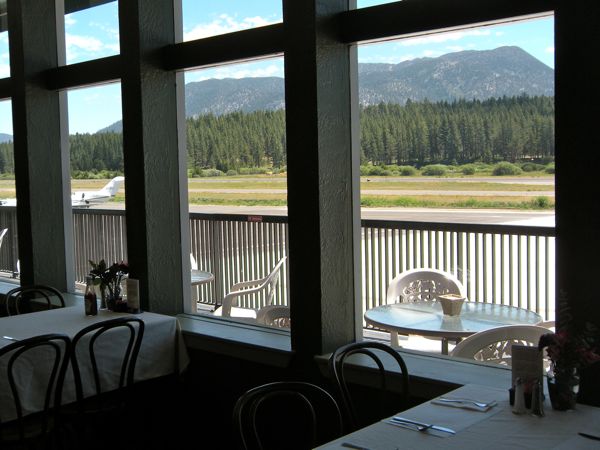
Flight Deck restaurant at Lake Tahoe Airport has indoor and outdoor seating with views of runways.

Flight Deck restaurant at Lake Tahoe Airport has indoor and outdoor seating with views of the runways.

Before jumping in a vehicle headed for Stateline, Diane and Tom Miller hope the golfers and their entourage are hungry. They opened the Flight Deck restaurant last month at the airport.

“We don’t have any particular plans for Celebrity Golf. I’m not sure how we will be affected by the planes landing and the limos picking people up,” Diane Miller said.

With the city getting a chunk of the gross from the restaurant, the owners and city officials have their fingers crossed people will be hungry on their way in or out of town.


Ex-Tahoe resident Joseph Balius files for bankruptcy

By Kathryn Reed

Joseph Balius, best known in South Lake Tahoe for leaving Lake Tahoe Community College students who were residing at the Alder Inn in a lurch when he skipped town, has filed for bankruptcy.

Balius, whose first name is Shelly but goes by his middle name of Joseph, filed the paperwork with his wife, Kira, in Las Vegas. Court documents show a Henderson address for the couple. It is believed they moved to this town next to Vegas when they abruptly left Tahoe last fall.

There is a creditors’ meeting on July 30 in the U.S. Bankruptcy Court, District of Nevada, with South Lake Tahoe residents part of that group.

The Balius’ attorney did not return phone calls.

South Lake Tahoe police officials did not return a call inquiring if they still had an open case against Balius.

The issue with the students has long since been settled.


Killpatrick, Rosner attend final LTCC board meeting

By Kathryn Reed

Lake Tahoe Community College’s front office is going through massive changes.

Tuesday’s board of trustee meeting was the last for Paul Killpatrick and Diane Rosner. Killpatrick is leaving the presidency for a job in Washington. Rosner tendered her resignation as dean of Instruction and Social Sciences two weeks ago.

Diane Rosner

Diane Rosner

The application period for the interim president position was extended to July 27, the next board meeting. The appointment had been on the July 13 board agenda.

Susan Middleton, vice president of Academic Affairs and Student Services, had already been tapped to be the acting president until she retires Aug. 31. Tom Greene, a former counselor at LTCC, will come on board when she leaves.

The other relatively new face on campus is Susan Niehoff, vice president of Business Services. She’s only been on campus since January.


Heavenly cleared to build lodge near top of gondola

By Kathryn Reed

Heavenly Mountain Resort will be able to begin construction on its mid-mountain lodge at the end of the month.

An appeal to the U.S. Forest Service’s “finding of no significant impact” has delayed the paperwork being signed off and therefore the project. Originally, Heavenly had hoped to start on June 15, with a Nov. 1 completion date. Now resort officials expect to open the lodge after the season begins.

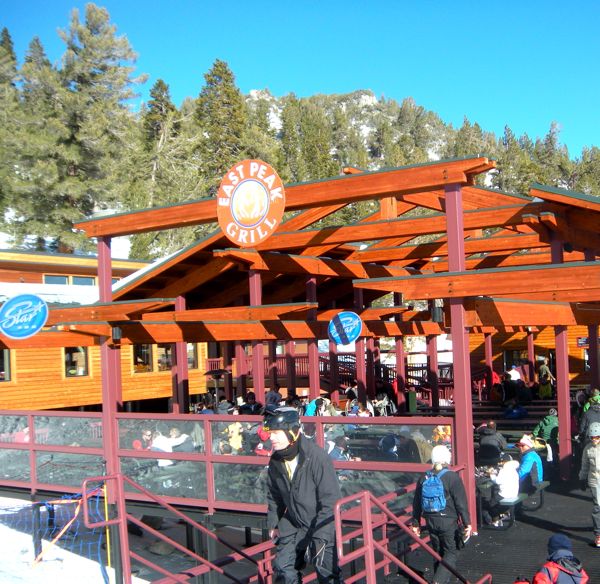
East Peak Lodge at Heavenly will get some competition this winter with the lodge at the top of the gondola opens. Photo/Kathryn Reed

East Peak Lodge at Heavenly will get some competition this winter when the lodge at the top of the gondola opens. Photo/Kathryn Reed

Robert Coronado wanted the Forest Service to prepare a complete environmental impact statement on the 14,965-square-foot lodge at the top of the gondola – elevation 9,100 feet.

No indoor facility exists at that location. It will seat nearly 500 people.

Coronado also contended the project would increase traffic, have impacts on wildlife and not meet Clean Air Act guidelines.

Forest Supervisor Terri Marceron spoke with Coronado on July 6 in an attempt to resolve the issue. She was unsuccessful.

“As per Forest Service administrative procedures, the appeal was then reviewed by an appeal reviewing officer. The appeal reviewing officer found that Terri adequately addressed all the issues, and the regional forester upheld his review and affirmed Terri’s decision,” Forest Service spokeswoman Cheva Heck told Lake Tahoe News.

That decision came July 8. Heavenly can begin work 15 business days from that date. The plan is to break ground on the year-round lodge as soon as the all-clear signal is given.

With water, gas and sewer lines already installed, it means construction does not have to go over two seasons. Construction crews will access the site via the dirt road from the Stagecoach Lodge in Nevada.


STPUD, city resolve redevelopment dispute

South Tahoe Public Utility District and South Lake Tahoe have all but buried their differences regarding Redevelopment Area No. 2.

City Council members accepted the agreement presented them by City Manager Dave Jinkens at Tuesday’s meeting.

The district’s board is expected to vote on the proposal at its Thursday afternoon meeting.

Other action at the July 13 council meeting included:

• Changing routes on BlueGo per the South Tahoe Area Transportation Authority’s recommendations;

• Agreeing to a special meeting the last week of July to award the bid for the Lakeview Commons project as well as to have a discussion about medical marijuana dispensaries in the city;

• Approving an ordinance designed to help local contractors get work on projects in the city.

— Compiled by Kathryn Reed


South Tahoe council approves city manager’s 3-year contract

By Kathryn Reed

Tony O’Rourke is set to begin his job as city manager of South Lake Tahoe on Aug. 9. The City Council on a 4-1 vote July 13 approved his contract.

O’Rourke, who left the meeting after the vote, will have a base salary of $175,000 a year. He will receive $500/month in a car allowance, two weeks of vacation, and the standard health and retirement package other city employees receive.

Mayor Kathay Lovell speaks with new City Manager Tony O'Rourke, right, and City Attorney Patrick Enright on July 13. Photo/Kathryn Reed

Mayor Kathay Lovell speaks with new City Manager Tony O'Rourke, right, and City Attorney Patrick Enright on July 13. Photo/Kathryn Reed

The city is offering up to $12,000 to move him, his wife and teenage son to Tahoe from Beaver Creek, Colo.

The contract is for three years. His first review will be after he’s been on the job for six months.

Just like current City Manager Dave Jinkens’ contract, this one comes with a nine-month severance clause if the council decides to dismiss O’Rourke. This is a fairly standard item in city manager contracts in California.

O’Rourke is subject to the two furlough days that are in place, which brings his salary closer to $161,000. Those two days amount to a salary reduction of 9.23 percent for all city employees.

A third furlough day is likely to be part of the city’s cost containment plan when the council approves the 2010-11 budget that will be effective Oct. 1.

What could balance out the third furlough day is the 4.62 percent cost of living adjustment the various city unions have negotiated that is supposed to begin Oct. 1. However, the city is currently negotiating with the various labor groups – with the COLA being one of the sticking points.

Although the city manager and city attorney positions are not part of any bargaining group, they follow in lockstep with the Administrative and Confidential group. So if the COLA is passed, those positions would get a bump in pay.

Also at Tuesday’s meeting, the council voted 4-1 to extend City Attorney Patrick Enright’s contract a year to 2012.

Councilman Bill Crawford was the dissenting vote both times.

Enright went up a step on the salary scale, increasing his wages by 5 percent. His severance provision was doubled to 180 days.


State Sen. Dave Cox loses battle with cancer

Publisher’s note: Dave Cox represented Lake Tahoe in the California Senate.

By Jim Sanders, Sacramento Bee

State senator and former Assembly Republican leader Dave Cox died today, ending more than two decades of public service by a fiscal conservative and political tough guy who savored a good joke and loved to laugh – even at himself.

His family said Cox died at home, surrounded by friends and family, after a 13-year battle with prostate cancer.

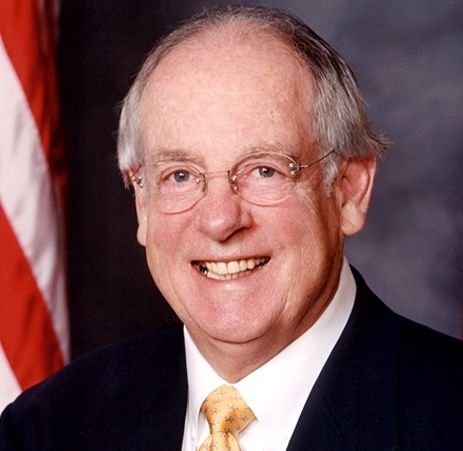
cox

Dave Cox

“A devoted family man, he always found time to serve his community and constituents,” said the statement from the family. “Dave took great pride in public service and making government work for the people it serves.”

Read the whole story


Property tax values decline; El Dorado takes $1.5 mil. hit

By Robert Lewis, Sacramento Bee

If you own a home in California, chances are the assessed value of your property just dropped.

County assessors statewide are releasing this year’s property tax rolls – the total assessed value of all properties in a given county – and most are lower than last year.

Sacramento County’s tax roll dropped nearly 2.2 percent to $128.8 billion. Yolo County’s is down about 1.9 percent. And El Dorado County and Placer County both saw the value of their taxable property drop more than 6 percent.

Read the whole story


Appeal to Kirkwood’s power plant to be heard July 16

The future of Kirkwood’s diesel power plant may be decided this month.

The Great Basin Unified Air Pollution Control District will hear an appeal of the construction permit on July 16 at 10:30am in Markleeville.

SMART Energy Group contends the area that encompasses Alpine, El Dorado and Amador counties should be using natural gas.

The Great Basin district on May 24 approved a six-diesel generator plant to replace the portable ones that have been used since the beginning of the year when a fire destroyed the resort’s power plant. The power fuels the residential and commercial areas of Kirkwood as well as the ski resort.

— Compiled by Kathryn Reed