Mormons leave behind rich history in El Dorado County

By Kathryn Reed

CAMP RICHARDSON — Trudging along in less than ideal conditions – mud so high the wagon wheels barely turn, cold so bitter it is impossible to ever get warm, hunger like the Donner Party knew. And yet, the worst may have been being driven from their home, unwanted, persecuted all because they were Mormon.

Life in the 1840s came alive at the rustic Camp Richardson Lodge last week as Frank Tortorich took on the persona of a young man caught up in the strife. Tortorich, who lives in Amador County, is an educator, researcher, guide, author and member of the Oregon California Trails Association.

William, the character Tortorich portrayed, knew Joseph Smith and later Brigham Young. Starting in the Midwest, marching with the Army to California, then heading back to the Salt Lake area, Tortorich led the nearly 40 people in attendance on what felt like a physical journey through time, as well as through history that has been left out of school curriculums.
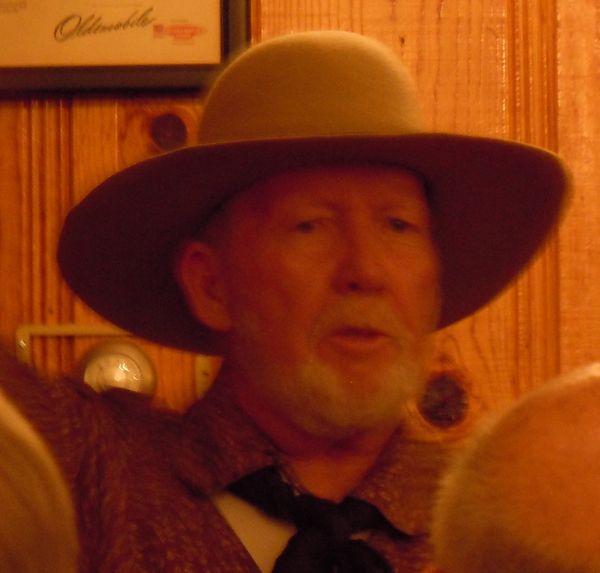
Historian Frank Tortorich enlightens people about the Mormon migration that involved El Dorado County. Photo/Kathryn Reed

Historian Frank Tortorich enlightens people about the Mormon migration that involved El Dorado County. Photo/Kathryn Reed

Smith’s murder in June 1844 and Young’s ascension to lead the Mormon people is part of the story.

It was after Smith was killed that the 25,000-person migration from Nauvoo, Ill., began for the people of the Church of Jesus Christ of Latter-day Saints.

A couple hundred, including Sam Brannan, went by boat around Cape Horn to California. It was in San Francisco where William would meet up with Brannan again.

A deal was struck between President James Polk and Mormon leaders that in exchange for protection along the route west 500 men would join the Army.

Young’s prophecy that no Mormon would die in battle fighting the Mexicans proved true — though plenty died on the journey. They were part of the Mormon Battalion. It was a grueling march from Santa Fe to San Diego. By the time they arrived in California the war was over.

They were introduced to Catholics, who welcomed them instead of being afraid of people with a different religious belief.

It was now the late 1840s and Young had made his way to the Salt Lake Valley.

With the discovery of gold, some of the Mormons headed to what is now El Dorado County to find some nuggets to take to Salt Lake.

Tortorich talks about James Marshall and John Sutter’s gold rush that started it all.

“James Sly, one of our brothers, loved the place. He built a corral about 6 miles up,” William says.

(Sly Park exit off Highway 50 may now have new meaning to people.)

The migration east to Utah included 17 wagons, two brass canyons, 150 horses and 150 oxen. The group knew about the Donner Party tragedy and had no desire to go over what was known as the Truckee River route.

Though they lost scouts to Indians along what is know Highway 50 in the American River Canyon, they believed this to be a less treacherous route.

“We went over this summit and it was beautiful; into a valley we called Lake Valley,” William told the audience. Then over another summit in the Sierra the men, women and children went. “Brother Biglar wrote in his diary we shall name this Hope Valley.”

(John Biglar became the third governor of California and at one time called Lake Tahoe Lake Biglar, but that never took.)

Finally, the group made its way along the Carson River, knowing its name because John Fremont had called it such after his friend Kit Carson.

All the wagon trains the Mormons saw headed west were advised of this new route over the Sierra instead of possibly having the same fate of the Donner Party.

William didn’t live long upon his arrival in Salt Lake. His widow remarried a man with the last name Kimball. They moved into the Wasatch mountains, calling their outpost Kimball Junction. Today it is known as Park City.

This night was part of the Lake Tahoe Historical Society’s Winter Program.


Tahoe Tails — Adoptable Pets in South Lake Tahoe

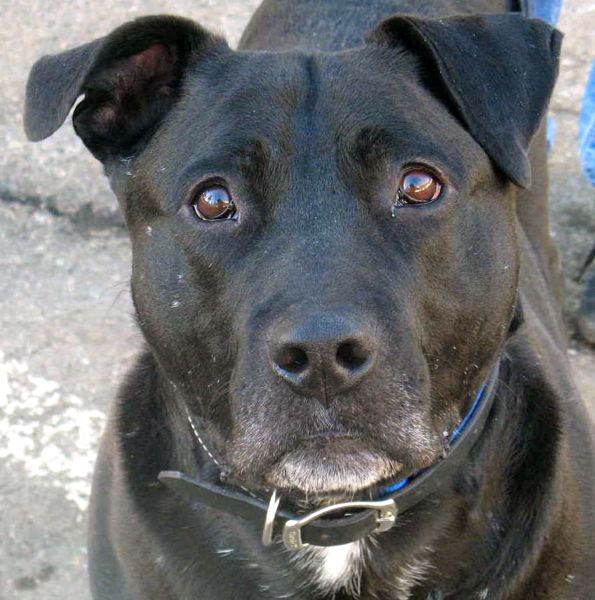
Angus was found abandoned after being hit by a car. He came to the shelter with cuts and bruises and a broken hip, but was a very sweet boy throughout all his treatment.

angusAngus still has a bit of a limp, but he is now ready for his perfect home. He is crate and house trained, loves car rides and walks nicely on his leash. He is good with other dogs and hasn’t chased the cats at the shelter.

Angus is very affectionate and would be a wonderful family companion.

Angus is neutered, microchipped, and vaccinated. He is at the El Dorado County Animal Services shelter in Meyers, along with many other dogs and cats who are waiting for their new homes.

Call (530) 573.7925 for directions, hours, and other information on adopting a pet. For spay-neuter assistance for South Tahoe residents, go to online.

— Karen Kuentz


TOCCATA sets winter concert series dates

TOCCATA – Tahoe Symphony Orchestra and Chorus — sixth anniversary Winter MusicFest concert series istitled “Viva Vivaldi”.

This series features a return performance of Elizabeth Pitcairn performing on the world famous “Red Stradivarius Violin” in Vivaldi’s most beloved work, “The Four Seasons”. The program features additional soloists Virginia Bowman, concertmaster; Heather Gallagher, principal second violin; cellist, Charles Taggart; and continuo organist David Brock.

concertOpening the concert will be baroque trumpets Mark Lord, Mark Hoke and Josh Dunlap performing Vivaldi’s Concerto for 2 trumpets in C major and the TOCCATA Chamber Chorus will perform Vivaldi’s most well known choral work, “Gloria” with vocal soloists Anna Helwing and Joy Strotz, soprano; and Stuart Duke, baritone.

Performances are:

Feb. 3 at 7:30pm at St. Theresa’s Catholic Church in South Lake Tahoe;

Feb. 4 at 7pm at Trinity Episcopal Church in Reno;

Feb. 5 at 2pm at St. Francis Catholic Church in Incline Village;

Feb. 6 at 3pm at the Resort at Squaw Creek-Olympic Valley;

Feb. 9 at 7pm at St. Thomas Aquinas Cathedral in Reno. Maestro James Rawie will conduct all performances.

Tickets are $30 adults, $25 seniors, $5 students and can be purchased at the door or online. Preferred seating is available for $40. Children under 12 are free.

For more information or preferred seating, visit www.ToccataTahoe.com or call (775) 313.9697.


Tahoe license plates come with lift ticket

The nonprofit Tahoe Fund is partnering with nine Lake Tahoe-area ski resorts in California and Nevada to offer a free lift ticket for every purchase of a Lake Tahoe license plate.

Plate sales fund bike trails, lakefront parks, interpretive programs and other tangible projects that enhance the Tahoe experience for residents and visitors alike.

Newly-issued Tahoe plates are $50 in California and $61 in Nevada.

The Tahoe Fund works with the California Tahoe Conservancy and the Nevada Division of State Lands as well as public and private entities to identify and obtain funding for on-the-ground projects that support conservation, recreation and environmental education in the Lake Tahoe basin.

The California and Nevada Tahoe plates generate about $1.5 million annually for conservation and recreation projects in the Tahoe basin.

The Plate for Powder Program runs through the 2010–11 season, or until tickets are sold out. Participating ski areas include Squaw Valley, Alpine Meadows, Homewood, Heavenly, Northstar-at-Tahoe, Kirkwood, Sugar Bowl, Tahoe Donner, and Tahoe Cross Country.

To purchase a Tahoe plate and receive your complimentary lift ticket, visit www.tahoeplates.com or www.tahoefund.org.


Mardi Gras benefit for Austin’s House

Celebrate Mardi Gras in Minden on March 4 benefits Austin’s House. The third annual Mardi Gras Magic Dinner & Dance is at the Carson Valley Inn.

This fundraiser will recreate the party atmosphere of New Orleans on Fat Tuesday with food, music, dancing, raffle prizes and a Grand Prize drawing for a trip to The Big Easy.

The evening starts at 6pm with a cocktail hour. Then feast on a Cajun buffet dinner featuring peel and eat shrimp, chicken gumbo, blackened fish, sausage steamed in beer, shrimp etouffee and smoked rib eye roast with all of the trimmings.

After dinner, the Mardi Gras Magic party hits full stride with dancing music provided by Fabrizio. Raffle prizes will be drawn every 15 minutes. The silent auction features donated prizes from local businesses.

Tickets are $50. Tables of 10 are available for $500. Only 200 tickets will be sold. Call Austin’s House at (775) 267.6711 to order your tickets. Visa and MasterCard are accepted.

Austin’s House is the only emergency children’s shelter in rural Northern Nevada.


Ferret lovers want to own pets legally

By Torey Van Oot, Sacramento Bee

It’s a new year, a new administration at the Capitol, and the ferret lobby has a new strategy.

Short on cash and support in the Legislature and stymied by procedural requirements at the Fish and Game Commission, a coalition of ferret legalization supporters is hoping a new argument on the cost of the state’s ban on the pet will gain traction.

“I think that there’s very little doubt that the ferret ban is doing economic harm,” said Pat Wright, founder of legalizeferrets.org. “But the question is how much economic harm?”

California, which first prohibited ownership and transportation of the species in 1933, is now the only state in the continental United States where the slender European polecat cousins are outlawed. Despite decades of lobbying by ferret owners and enthusiasts, the state maintains its stance that legalizing the small carnivores presents environmental and safety concerns.

Estimates on the state’s illegal ferret population vary significantly, but pet industry experts estimate one quarter of ferret supplies sold in the country come from California shelves.

Read the whole story


History: Sorting through the Pony Express routes

Publisher’s note: This is from the September 1973 Lake Tahoe Historical Society newsletter.

By Chuck Lucas

This summer was one of my best in many aspects, and had additional interest for me since I was asked to do a Campfire series at the El Dorado Campground. The presentations were given on Friday evenings at dusk; covering a span of seven weeks. Shown were the films “Washoe” and “Lake Tahoe”, followed by a 45 minute talk keyed to some aspect of South Lake Tahoe’s unique history. The series averaged 65 persons in attendance. As I met a great many interesting people, it was a rewarding experience for me.

historySince I was asked to comment in an article concerning my impressions of the series, I will try to give a few highlights. First, let me begin by saying that I personally feel that the series was a fine success and good public relations channel for the Society.

At the conclusion of my weekly presentation, I would try to answer the many questions from the visitors in attendance. At the end of the film “Washoe” I was asked if the Indians ate the hot rocks dropped into the mush for cooking. Most questions were sincere attempts at obtaining answers, however. I think the classic was asked by a gentleman from the mid-west: “Why didn’t they sail the steamers out of the Lake rather than sink them?” Of course, embarrassment followed when he found the only outlet to be a shallow one which terminates in the desert.

In my quest for authentic information I ran across conflicting dates. I was asked about them by visitors, and then took the plunge to come up with accurate answers. The problem was as follows: April 3, 1860 saw the fist eastbound pony leave Sacramento for St. Joseph, Missouri on the 10 day Pony Express. On April 28, 1860 the first pony ran into Yank’s Relay Station. The question: If that was the first pony what happened between April 3 and April 28? Surely the rider wasn’t lost somewhere for 25 days! Through the assistance of the Nevada State Museum, Carson Valley Historical Society, Mormon Station Museum, many authors and maps I located the answer, which I would like to share with you.

The first eastbound pony left Sacramento April 3, 1860, the mail arriving at St. Joseph April 13. The fist westbound pony left St. Joseph April 3, the mail arriving Sacramento April 14, 1860. The first two westbound rides were made from Genoa, Nevada via Woodford’s, up West Carson Canyon to a station in Hope Valley. From Hope Valley the route continued to the vicinity of Caples Lake, possibly changing horses at Kirkwood and then down the Canyon [Silver Fork?] to Placerville. The third eastbound ride went to Strawberry, over Slippery Ford to Echo Summit, down Hawley Trail, over Luther Pass to Woodford’s and thence to Genoa. The fourth eastbound ride took the same route as the third ride to Echo Summit. From the Summit the rider sped down the Johnson Emmigrant Road [Meyers Grade] to Yank’s Station on April 28 and then on to Friday’s Station.

The route was changed after the first few weeks of service, to Genoa via the newly completed Kingsbury Grade and over Daggett Pass, for several reasons. One reason being that it was shorter and more direct, the other being that the Piute Indian raids on the stations east of Buckland’s Station threatened to lengthen the promised 10 day east-west service.

The pony rider had their east-west runs just as a truck driver today would have a route assigned to him.

The South Tahoe relay, or remount, stations were an integral part of the Pony Express from April 1860 to October 1861. During the summer of 1860 the Overland Telegraph Company repaired and improved their line from Placerville to Fort Churchill. The line was extended eastward the following year and connected with Salt Lake City on October 24, 1861, thus forming thru service between Omaha and San Francisco.

Two days after the wires were connected to Salt Lake City, the last pony rode into Yank’s Station, October 26, 1861. Bankruptcy, Civil War, and the telegraph brought an end to the “pony”.

The Overland Mail now carried letters and papers between Carson City and Salt Lake City. Wells Fargo and Co. contracted between Carson City and Placerville, but it was the coaches of the Pioneer Stage Line which subcontracted to carry passengers and mail between these two points; thus serving Lake Valley.


STHS puts on ‘Sound of Music’

“The Sound of Music” will be performed Jan. 27-30 in the South Tahoe Middle School multipurpose Room.

Performances begin at 7pm. Thursday-Saturday, with a matinee on Jan. 30 at 2pm.

The cast is composed primarily of South Tahoe High School students, with the addition of several talented younger students cast as the Von Trapp children.

Tickets will be available at the door for $12; seniors and students cost $6.

The production is at the middle school while the high school theater is under construction.


MontBleu focusing on showroom acts after lackluster ’10

By Mel Shields, Sacramento Bee

The MontBleu on Lake Tahoe’s South Shore seems to be getting more active entertainment-wise this year. Changes have been made, and the showroom, dark most of last year (including weekends) is lighting up more often in 2011.

The bookings are mostly edgy, with nothing middle of the road. This week, for instance, features one entertainer who has been attributed by rappers as one of their major influences, along with one of the most famous of all those rappers.

George Clinton and his Parliament Funkadelic appear Jan. 30. Clinton is undoubtedly one of the major innovators of what has come to be known as funk music, along with James Brown and Sly Stone. He began his musical career forming a doo-wop group, along the line of Frankie Lymon and the Teenagers, calling them the Parliaments.

Then came the years of the P-Funk All-Stars and groundbreaking albums like “Loopzilla” and “Atomic Dog.”

Read the whole story


Tahoe Tails — Adoptable Pets in South Lake Tahoe

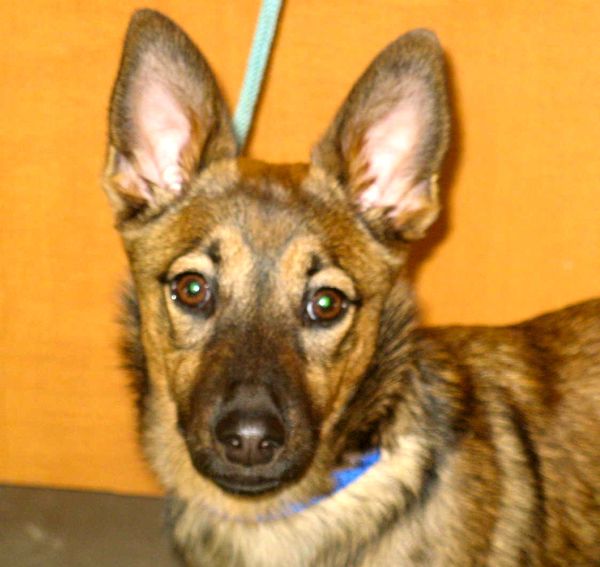
Precious is a sweet little German shepherd puppy who has had a rough first few months. She was badly treated by her former owner while being house trained. She’s only 4 months old and is very shy until she gets to know you. She is quite pretty and will grow up to be a beautiful dog. Precious is only about 15 pounds now, and we don’t think she will be big as an adult.

dogPrecious is spayed, microchipped and vaccinated.

She is at the El Dorado County Animal Services shelter in Meyers, along with many other dogs and cats who are waiting for their new homes.

Call (530) 573.7925 for directions, hours, and other information on adopting a pet. For spay-neuter assistance for South Tahoe residents, go online.

— Karen Kuentz