Statewide conversation about environmental sustainability and museums

What are the top environmental challenges for our region? Who is working to address these challenges? How can museums be involved? These are some of the questions to be posed on Oct. 14 by the UC Davis Tahoe Environmental Research Center to discuss how museums can inform their communities about environmental challenges and inspire action.

The 9:30-10:30am event is free and can also be viewed via webcast.

The UC Davis Tahoe Environmental Research Center and six other cultural organizations, all representing distinct bioregions across California, will engage museum, environmental, and community leaders in roundtable discussions as part of a statewide initiative, titled Ignite! Museums as Catalysts for Sustainability.

The goals are to explore the fundamental ecological issues facing each region and to seek ways in which museums can be partners in finding solutions to these challenges. The seven concurrent discussions will be connected virtually and environmentalist, entrepreneur, and author Paul Hawken will give the keynote address.

Ignite! Museums as Catalysts for Sustainability is spearheaded by the Green Museums Initiative, a program supported by the California Association of Museums. The regional roundtables will take place concurrently at seven host institutions: the Annenberg Center at Sunnylands in Rancho Mirage; San Diego Zoo; Aquarium of the Pacific in Long Beach; UC Merced Library; California Academy of Sciences in San Francisco; UC Davis Tahoe Environmental Research Center; and Gateway Science Museum in Chico. Each site is convening museum leaders, scientists, environmentalists, community stakeholders, and artists to discuss how to preserve ecosystems and promote healthy communities in their region. Artists participating in the regional roundtable discussions will create artworks for a statewide traveling exhibition by Exhibit Envoy.


8th-grader’s pedaling prowess benefits Boys & Girls Club

By Paula Peterson

What started as a challenge during a spin class turned into a fundraising effort of more than $1,000 by South Tahoe Middle School eighth-grader Mykala Muskovitz.

Muskovitz was in a spin class with her mother when local businesswoman Jana Walker Spano proposed a challenge. Spano would donate $300 in Mykala’s name to the Boys & Girls Club if she finished the Tour de Tahoe on Sept. 11.

Mykala Muskovitz, center, did more than ride 72 miles. Photo/Paula Peterson

Mykala Muskovitz, center, did more than ride 72 miles. Photo/Paula Peterson

Muskovitz spent her summer getting ready for the 72-mile ride, which included weekly spin classes and finding a bike that could handle the trek. Bike, riding shoes and clothing in hand, she joined her parents, Adam and Wendy, that Sunday morning and the three proceeded to complete the ride in six hours.

They stopped only at official rest stops even though the tough uphill climb near Sand Harbor would have made the best of bike riders want to take a break. When other people heard about Muskovitz’s challenge by Spano, they wanted to be part of the fundraising efforts. Money came in from several people and Muskovitz was able to present the Boys & Girls Club with a check for $725.

Local businesses that helped the fundraising besides Spano’s Sealed With a Kiss and Lakefront Wedding Chapel businesses were Steve Kosmides of Lake Tahoe Plumbing & Heating, House & Garden Nutrients, Kevin and Ashley Evans of Southeast Freight, Steve and Trina Jones of NXT Ventures, Kristi Jouett of Sierra House Elementary, and Julianne Mehrtens of Skinapeel.

But it doesn’t stop there. With the help of Spano, Muskovitz is going to take the remaining $300 she raised and start a fund for Christmas shopping for the children of the South Lake Tahoe Women’s Center.

Spano is sharing the “service above self” Rotary philosophy with young people as well as her employees in hopes of inspiring a future generation of philanthropists to be more community minded. She was proud to see Muskovitz accept the challenge without question and said, “Her motivation to help those kids far outweighed the overwhelming physical exhaustion she experienced. Never once did she consider giving up on them.”

If you are interested in helping Muskovitz with her continuing fundraising efforts, contact her parents at muskovitz@sbcglobal.net or Spano at jana@shopswak.com.


Kortge: Time to replace aging infrastructure is now

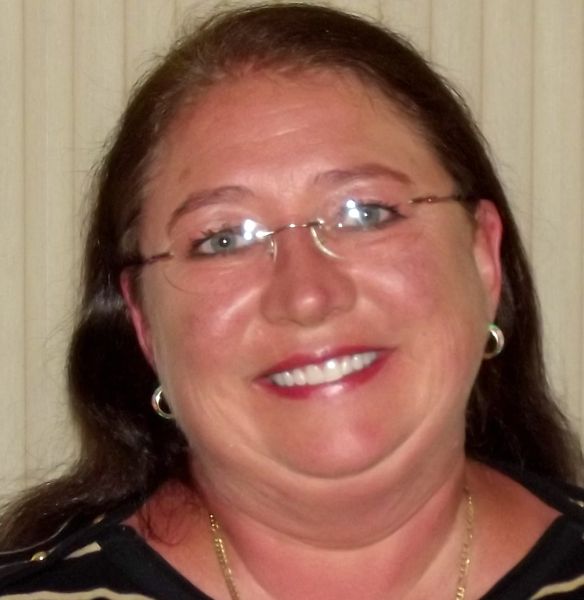
Publisher’s note: Lake Tahoe News is profiling the six candidates who will be on the Nov. 8 ballot for the South Tahoe Public Utility District board. They are being published in the order they were submitted. Mary Kortge is running for the seat vacated by Marylou Mosbacher.

Name: Mary Kortge

Age: As of Oct. 15 I will be 54.

How long have you lived on the South Shore?: 22 years

What water company supplies your home? Your work?: South Tahoe Public Utility District

Mary Kortge

Mary Kortge

Job/profession?: Homemaker/manage my rental property

What stands out to you in the 2011-12 budget?: The significant amount of proposed construction planned for this year since the construction cost are lower now. Also, that more money goes toward capital expenditures (40 percent) than wages and salaries (30 percent) and operations and maintenance (30 percent).

What boards, commissions, or other experience, including volunteering, do you have?: College degree in accounting/computer science, Zilwaukee Township clerk in Saginaw, Mich., School Site Councils for eight years, PTA boards for nine years, managed at AT&T phone centers, National Ski Patrol host at Sierra-at-Tahoe, the experience I’ve learned being married to my husband of 25 years in the engineering field from building bridges, dams and water treatment plants.

Is there any individual, group or organization you would not take campaign money from? Why?: I’m paying for my own campaign.

What is the No. 1 reason someone should vote for you over another candidate?: I know I am qualified for the position. I have reviewed the board’s past minutes, with a range of experience from the field to the boardroom, I will listen to your concerns and be your representation on the board. If elected, especially during these tough economic times, I will work hard to ensure that budgets are spent wisely and effectively.

California law mandates water meters be installed. What is your solution to make the fee equitable for those on meters and those without one?: It’s sad things couldn’t have remained the same as they were in the past, but state law mandated the water meters. In a perfect world no residents would be charged until all the meters have been installed, however, state law has dictated that owners be charged once the meters are in place. There is no way for it to be fair for everyone until all the meters are installed. The district needs to continue their efforts to find grants to pay for the rest of the water meters.

To get the remaining 60 percent of South Tahoe PUD customers on meters it will cost $15 million. As a board member, where will you get the money to pay for the meters?: We have a wonderful grant writer at STPUD and hopefully we will get more grant money to pay for the meters so we don’t have to pass it on to the public.

Do you believe the district should spend money on lobbying efforts in Sacramento and/or Washington, D.C.? Why or why not?: Yes, we should pay for lobbying in Washington, D.C. The water district spends about $70,000 a year for our lobbyist, which in turn since 2009 we’ve received about $6.5 million in grants from the federal government appropriated for water system improvements . Dennis Cocking who works for STPUD does the Sacramento lobbying, is very well known with the state and can accomplish any lobbying that has to be done at the state level.

What do you know about STPUD getting money from the Lake Tahoe Restoration Act?: The district has benefited from the act and if the money is to be spent in Lake Tahoe we might as well benefit. The money from the act was used to improve infrastructure including installation of fire hydrants. Due to the federal funding of the act, these improvements were made without increasing our water rates.

How do you balance the economic situation of the community with the infrastructure needs of the district?: In the lean economic down turn it is the best time to do public works projects. It’s time now to replace or repair our ailing infrastructure. We should continue to improve the infrastructure of the firefighting system. We should take advantage of the competitive construction bidding now since bids are coming in below our estimates. Minimizing the cost helps keep our rates low.

With 38 percent of a customer’s sewer bill going to meet the needs of the Porter-Cologne Water Quality Act and $100 million already invested in Alpine County to take STPUD’s wastewater, would you leave things as they are? If yes, why? If no, what would you change and how do expect to accomplish those changes?: Leave things the way they are since the infrastructure we have today is the result of federal and state laws. STPUD is working on energy self-production to keep our expenses down.

What should be done with the land STPUD owns where the old post office was on Black Bart?: Since the old post office does not have water or sewer there is not much you can do with the building except storage. Possibly remove the building, reclaim the coverage to bank for future construction, and revegetate the land. If an interested buyer could be found, it would have to be rezoned at some expense, making this a poor alternative.

There has been a three-year wage freeze for employees. What are your thoughts on employee raises and benefits?: The economy would have to change before I could consider a change in the employees’ wages. The water district is a very distinguished employer in our basin. I think the employees are happy to be working for our water district.

When would you vote for a hike on water and sewer rates and why?: At this time I could not vote for an increase given the current economy.

Lukins Brothers Water District – any comments?: Lukins system is old and in need of upgrades. It is a complicated issue that affects many South Lake Tahoe residents, so I will weigh the benefits and burdens of the different alternatives to make a fair and economically sound decision.

What should be the main priority of South Tahoe PUD?: To provide clean drinking water and sewage removal for the public at the lowest rate they can. Continue to improve the infrastructure for firefighting in the basin.

What should be the main priority of a South Tahoe PUD board member?: To make the best decision on the best information you can get to benefit the greatest number of the district customers.

Tell readers something about yourself that most people don’t know: I’m in the process of becoming a member of the United States Coast Guard Auxiliary. I also will be proud to have people call me STPUD.


Women’s health issues topic of lecture

Allison Steinmetz with Barton Internal Medicine, will talk about women’s health issues Oct. 26 from 6:30-7:30pm at Lake Tahoe Community College, 1 College Drive, South Lake Tahoe.

Steinmetz will discuss perimenopause, which is the process of change that leads up to menopause. She also will provide the different remedy options, both natural and hormonal for menopause which is a natural part of growing older for women.

For more information, call (530) 543.5656.


Artist event in Markleeville

Markleeville Artists Autumn Open Studios is Oct. 1-2 from 11am-4pm.

Details are online.

Brochures will be also at the Alpine County Chamber of Commerce as well as the Markleevilee Art Gallery.


Runnels: District needs to shrink, reevaluate its budget

Publisher’s note: Lake Tahoe News is profiling the six candidates who will be on the Nov. 8 ballot for the South Tahoe Public Utility District board. They are being published in the order they were submitted. John Runnels is running for the seat vacated by Marylou Mosbacher.

Name: John Wright Runnels

Age: 61

How long have you lived on the South Shore?: 40 years in August 2012

What water company supplies your home? Your work?: STPUD

John Runnels Photo/Ernie Claudio

John Runnels Photo/Ernie Claudio

Job/profession?: Business owner

What stands out to you in the 2011-12 budget?: The need to make internal adjustments to offset raising rates. Capital improvement projects need to be slowed down and departments that due to a lack of grant funding or fewer projects need to be eliminated or to have their budgets decreased. Also the funds allocated from lobbyists and consultants need to be carefully scrutinized for their effectiveness and decreased or eliminated accordingly.

What boards, commissions, or other experience, including volunteering, do you have?: Since I came to the South Shore in the early ’70s I have been involved in many city and county organizations working to improve our community. I have listed a few: Citizens Alliance for Responsible Government, president (SLT B.I.D. Elimination, “Fight The Blight” (keeping redevelopment in check), Lake Tahoe Boulevard 4 Lanes Not 2, Lake Tahoe Crime Watch, (past president) South Shore Lions Club, South Lake Tahoe Steering Committee for Police and Fire Salaries, Bicentennial for the U.S. Bill of Rights Citizens for Tahoe County (secretary), Supporters for the Protection of Individual Rights in Tahoe (S.P.I.R.I.T.) (past president).

Is there any individual, group or organization you would not take campaign money from?: I run a low dollar campaign, preferring to meet and talk with locals to find out their feelings on issues and any problems or areas that they feel need addressing, rather than spending a large amounts of money for ineffectual mailers, or advertising. I really don’t think I will need to accept or deny contributions.

What is the No. 1 reason someone should vote for you over another candidate?: I am the best-educated and informed candidate. I have been preparing for this position since I applied to the district board to fill a board vacancy. I ran in 2007 and was narrowly defeated by the incumbent. In 2009, I ran again against another incumbent and again came in second out of four candidates. Since 2006, I have committed myself to learning as much about the district and its operations as I can. I have attended board meetings, committee meetings, workshops, public meetings, field trips, PUC meetings, Lukins Water Company meetings, El Dorado County Water Agency meetings and much more. I know the district and when elected I will step into the position with a background of knowledge and familiarity with the task at hand.

California law mandates water meters be installed. What is your solution to make the fee equitable for those on meters and those without one?: I do not think that an equitable or what feels like a fair fee is obtainable. I think that someone getting unlimited water for a fixed fee is always going to irritate those trying to conserve and paying for every cubic foot. I think the only solution is to use the figure arrived at by the consultants hired by the district in the interim and use every possible method short of rate increases to install the remainder of water meters ASAP to ensure equality among ratepayers.

To get the remaining 60 percent of South Tahoe PUD customers on meters it will cost $15 million. As a board member, where will you get the money to pay for the meters?: I will give the installation of the remaining water meters priority, pursuing all federal and state funds when they become available again, slowing other capital improvement projects, and increasing efficiency within the water and sewer operations to free the maximum amount of dollars to accomplish this project in the shortest period of time without raising rates.

Do you believe the district should spend money on lobbying efforts in Sacramento and/or Washington, D.C.? Why or why not?: I believe that the STPUD’s annual trips to Washington, D.C., to meet with aides that they could speak to by driving 100 miles to Sacramento has to stop. The same thing is accomplished in Sacramento and the savings to ratepayers is substantial. In the interest of transparency the district’s travel and education expenses need to be examined to see if the costs incurred justify the costs to ratepayers. I also think that the expenditures on the district credit cards should be submitted in a listing of individual expenditures per card per user and open to the public on the payment of claims submitted at each board meeting.

What do you know about STPUD getting money from the Lake Tahoe Restoration Act?: The district has been receiving funds from the Tahoe Restoration Act since the act was first passed following the Angora Fire. The funds have allowed, with the decreased cost of construction, for a great deal of infrastructure renewal and improvement with in the district. However, due to the economy the funding has gone from $2 million last year to $500,000 this year and no further funds are anticipated until the economy improves or a new stimulus bill provides new funding. Also STPUD’s ability to provide matching funds required by the majority of grants has been severely curtailed by the exhaustion of the MTBE settlement funds used in the past decade.

How do you balance the economic situation of the community with the infrastructure needs of the district?: STPUD exists to “serve” the ratepayers with clean water and removal of sewage. It has become used to a rate increase averaging 3-4 percent per year. This is a burden upon users, unfair, and unsustainable in this economy. The district has been living off the $43 million settlement of the MTBE lawsuit which is all gone. This means that the district needs to shrink and reevaluate its budget. My knowledge of the district will allow me to immediately work with other Board members to improve efficiency, while maintaining existing infrastructure and holding rates at a reasonable level.

With 38 percent of a customer’s sewer bill going to meet the needs of the Porter-Cologne Water Quality Act and $100 million already invested in Alpine County to take STPUD’s wastewater, would you leave things as they are? If yes, why? If no, what would you change and how do expect to accomplish those changes?: As the Porter-Cologne Act is here to stay for the foreseeable future, every opportunity needs to be taken to recover more of the costs of exporting the recycled water. Already plans are under way for a hydroelectric generation plant on the downhill run to the district’s Diamond Valley Ranch, which will produce electricity to be sold to Liberty Energy recovering some of the costs. Water is the single most valuable resource in the Western states, its value and price are rising dramatically. In 2012, a provision in the contract the district has with the sox Alpine county ranches which currently use STPUD recycled water allows for renegotiation of the fees charged. As the value of water rises so should fees. I would also arbitrate for the construction of a pipeline to provide the option of the sale of this water to Nevada ranchers who have need of it and are willing to purchase it.

What should be done with the land STPUD owns where the old post office was on Black Bart?: Tear it down and transfer the coverage to the sewer plant. The cost of upgrading the structure to render it usable since it needs water and sewer service, insulation, etc., far exceeds the benefits it would return

There has been a three-year wage freeze for employees. What are your thoughts on employee raises and benefits?: I believe that employee salaries and benefits have been driven up beyond those of the community and ratepayers who pay the bills by consultants and salary comparison studies. I would find away to tie employee salaries and benefits to those received in our community.

When would you vote for a hike on water and sewer rates and why?: I will not categorically declare that I will not vote for rate increases, but I will promise that I will not vote for a rate increase unless the benefit to the ratepayers far exceeds the costs.

Lukins Brothers Water District – any comments?: Only get involved with it if it can be done with no cost to the ratepayers. Projected costs to upgrade the Lukins system to the current district and fire flow standards are $20-25 million as a board member I could not in good conscience vote that kind of a burden on district ratepayers.

What should be the main priority of South Tahoe PUD?: To provide sewage removal and clean water to ratepayers at a reasonable price.

What should be the main priority of a South Tahoe PUD board member?: To always remember the “Public” in STPUD. To operate for the ratepayers, considering the impact that the costs of services have upon them and strive to deliver quality services at the fairest price by maintaining efficiency and controlling expenditures.

Tell readers something about yourself that most people don’t know: I love animals.



Smoke detectors in homes save lives

By Teri Mizuhara

“There is no getting around it, smoke alarms save lives. It is your first line of defense in a structure fire. Fifty-one percent of residential structure fires resulting in a fire death occur between 10pm and 6am and 55 percent of these deaths occur in the bedroom, so it is critical to have working smoke alarms in your sleeping areas of your home,” says CalFire’s Amador-El Dorado Unit Chief Kelly Keenan. “For as little as $4.45 you can buy a smoke alarm at Home Depot and sleep soundly knowing your family is protected.”

smokeKey points to consider before purchasing smoke alarms:

Photoelectric Smoke Alarms are better at sensing “smoldering fires” because smoldering fires produce large smoke particles. A smoldering fire may burn for hours before bursting into a flaming fire. Often these fires are caused by a cigarette, dropped match or stick of incense burning in a couch or in bedding.

Ionization Smoke Alarms are better at sensing small smoke particles which are usually produced by a flaming fire that is burning items fast and spreading throughout an area very quickly. This may be a grease fire or a garbage can that caught fire. If your current smoke alarm goes off when you cook, consider replacing that alarm with a photoelectric smoke alarm and placing the other ionization alarm away from your kitchen.

Never disable a smoke alarm. Never remove the battery from your smoke alarm. National statistics indicate that 66 percent of people who died in house fires did not have a smoke alarm or the smoke alarm they had was not working. Consider interconnecting your smoke alarms, although this is more expensive, this would allow one smoke alarm to “talk” to the others by a hardwired system or wireless technology. If one alarm senses smoke it will relay the information and all the alarms in the home will go off making sure everyone is aware of a problem and allow them to safely exit the home.

For households with hearing impaired family members, there are smoke alarms designed to meet the needs of these individuals. The systems utilize extra loud (90dB) signaling combined with a bright strobe light to alert sleeping individuals and/or vibrating pager systems that transmit to hardware placed on bed frames, under pillows or to specialized wrist watches. Check the yellow pages under “fire protection services” to purchase this specialized equipment and make sure to get competitive bids.

If your household includes children, some studies suggest that smoke alarms that allow a parent to record their voice instead of the common “beep” alarm work better at rousing children from stage 4 deep sleep. Although they are more expensive, it is cheap insurance in the event of a house fire.

“In closing, make sure you have a smoke alarm in each bedroom, outside the sleeping area(s) and on each level of the home. Follow the manufacturer’s instructions when installing the smoke alarm, test the battery monthly and change the battery twice a year (when you change your clocks). Don’t forget to vacuum the smoke alarms since dust and bugs can cause false alarms. Replace the smoke alarm a minimum of every 10 years; just because the light is on does not mean it will work properly, nothing lasts forever,” Keenan says.

For more information on fire safety, go online. www.fire.ca.gov.

Teri Mizuhara works for CalFire.


Gunsch: Pay as you go is better than getting into debt

Publisher’s note: Lake Tahoe News is profiling the six candidates who will be on the Nov. 8 ballot for the South Tahoe Public Utility District board. They are being published in the order they were submitted. Claude Gunsch is running for the seat vacated by Marylou Mosbacher.

Name: Claude Gunsch

Age: 62

How long have you lived on the South Shore?: 38 years

What water company supplies your home? Your work?: STPUD supplies both.

Claude Gunsch

Claude Gunsch

Job/profession?: Retired South Tahoe Public Utility District employee

What stands out to you in the 2011-12 budget?: In my opinion, the outstanding issues on the 2011-2012 budget are water meters and the ability to obtain grants should the district decide to purchase the Lukins water system.

What boards, commissions, or other experience, including volunteering, do you have?: I am a member of the volunteer fire department at Fallen Leaf Lake. I have taught youth soccer as well as served as an assistant for the high school ski team. I have participated in a short-term mission trip to Guatemala for Church Family Missions.

Is there any individual, group or organization you would not take campaign money from? Why?: Currently, nothing comes to mind. However, if a company or individual had a large project up for review, I would most likely decline.

What is the No. 1 reason someone should vote for you over another candidate?: I think the biggest asset I would bring to the board is my 34 years of experience as a water and sewer treatment employee. Additionally, I am honest and fair and would put the community’s needs first, as well as try to keep rates down.

California law mandates water meters be installed. What is your solution to make the fee equitable for those on meters and those without one?: I believe it would be most equitable if all meters were installed concurrently. Unfortunately, we don’t have the time or money to install them all at the same time. I don’t have a solution at this time, but will do my best to find creative ways to make it as fair and equitable as possible to all customers under the guidelines that are mandated by the state.

To get the remaining 60 percent of South Tahoe PUD customers on meters it will cost $15 million. As a board member, where will you get the money to pay for the meters?: I will work with district staff seeking grants and/or low interest loans. With the cost of borrowing so low at this time, acquiring a loan could negate the necessity to raise rates.

Do you believe the district should spend money on lobbying efforts in Sacramento and/or Washington, D.C.? Why or why not?: Yes, I believe the district should spend money on lobbying efforts. Changing legislation saves the district dollars that are not passed on to the ratepayers. We have saved $34 million through lobbying. To date, according to my study of the budget, the return of money to the district is millions more than the amount the district spends on lobbying.

What do you know about STPUD getting money from the Lake Tahoe Restoration Act?: I need to do more research on this subject.

How do you balance the economic situation of the community with the infrastructure needs of the district?: We need to move forward to continue the high standards of clean water and support for fire protection. We also need to protect the environment from sewer spills. Receiving grant money helps alleviate raising the rates for upcoming projects. I believe in the policy of ‘paying as you go’ rather than being in debt. The cost of taking out small loans may eliminate the need to pass the cost on to the customer.

With 38 percent of a customer’s sewer bill going to meet the needs of the Porter-Cologne Water Quality Act and $100 million already invested in Alpine County to take STPUD’s wastewater, would you leave things as they are? If yes, why? If no, what would you change and how do expect to accomplish those changes?: Yes. Because it is a state law and we need a place to put treated water for irrigation, I would leave things as they are. If we no longer had a place for our irrigation water to be held, the district could be fined millions.

What should be done with the land STPUD owns where the old post office was on Black Bart?: It stands to reason that the district should evaluate all the property it has. If some property could be sold without jeopardizing operations, I would support that decision.

There has been a three-year wage freeze for employees. What are your thoughts on employee raises and benefits?: The district needs to keep an eye on the economy and see what happens over the coming years. I would like to see our current employees keep their jobs, rather than give raises and as a result have to lay off valuable employees. I believe there must be a balance in terms of what is the best interest of the customers and what is good for valuable employees.

When would you vote for a hike on water and sewer rates and why?: Obtaining a grant is one way to keep rate hikes to a minimum and through that money continue to protect the environment and meet water standards. The ideal situation is to work diligently on applying for grants which is basically free money to do a project. If we did not have grant money to pay for a proposed project, the benefit to the community would have to be very substantial before I would consider a rate hike of any kind.

Lukins Brothers Water District – any comments?: I don’t believe it would be ethically right for STPUD to pass the burden on to the rate payers to bring Lukins Water up to the level of standards that is mandated by us. Perhaps the answer is in diligently working to obtain a grant with which to purchase this company.

What should be the main priority of South Tahoe PUD?: South Tahoe PUD’s main priority should be to maintain a reliable water system that provides clean drinking water and fire protection to the community, as well as waste water system that protects the environment at a cost efficient rate.

What should be the main priority of a South Tahoe PUD board member?: I believe the main priority of a South Tahoe PUD board member is to set policy and to be a liaison between the community and the employees while keeping costs at a minimal.

Tell readers something about yourself that most people don’t know: I am a straight shooter. I am honest and fair. If I cannot answer a question, I will search to find the answer. I am not a politician. My desire is to give back to the community that has supported me and my family over the years. I have extensive knowledge about the utility district which could help save the district money.


McAvoy Layne keeps spirit of Mark Twain alive

By Allen Pierleoni, Sacramento Bee

See that man over there, the one with curly, grayish-white hair? Is that Mark Twain of Hannibal, Mo., or McAvoy Layne of Incline Village? It’s hard to tell them apart – and that’s the point.

For 24 years, Layne has transformed himself into the famous humorist as the “Ghost of Mark Twain” to deliver more than 2,000 performances to fascinated audiences in venues worldwide.

Closer to home, he stars in the year-round “An Evening With Mark Twain for Adults” at the Mark Twain Cultural Center in Incline Village. The venue is a cross between a theater, a music hall and a living-history museum co-owned and curated by Layne and his wife, Rebecca (www. marktwainculturalcenter.org, www.ghostoftwain.org and www.spiritoftwain.org).

Layne’s popular “Mark Twain’s Tales of Tahoe” summer cruises take place aboard the two sternwheelers that ply Lake Tahoe – the Tahoe Queen and the M.S. Dixie II.

Layne played the ghost of Samuel Clemens in A&E’s Twain biography and in the Discovery Channel’s award-winning documentary “Adventures of Huckleberry Finn.”

Layne as Twain will have his say Thursday at The Big Read/Bee Book Club event, where he will remind us that the reports of his death “are greatly exaggerated.”

Read the whole story


‘Pregnant in America’ to be shown in Meyers

“Pregnant in America” is having a showing at Bona Fide Books in Meyers Oct. 12 at 6pm.

bookThis is the true story of Steve and Mandy Buonaugurio, a young, adventurous, expectant couple, who decide to take a daring and potentially dangerous approach to having their first child — outside the modern American medical system.

This is a movie about what “they learned” about birth as they travel across the United States and Europe interviewing experts and confronting birthing situations, exposes them to some the realities about America’s maternity care system and what is happening to women and babies. Ultimately, what they learn impacts on and alters the outcome of their own pregnancy.

Th showing is sponsored by Sierra Nevada Birth Network and Safe Haven Chiropractic. For more information, call (775) 790.1293 or (530) 577.5433.