TOCCATA putting on 3 free performances

TOCCATA-Tahoe Symphony Orchestra & Chorus is putting on three free concerts featuring Northstar Winds.

The series kicks off Aug. 13 at 4pm at the St Patrick’s Episcopal Church, located at 341 Village Blvd. in Incline Village.

Works to be performed include the “Divertimento in B flat” by Joseph Haydn, “Woodwind Quintette” by Jean
Franciax and a premiere of a new composition bye UNR composer William Montgomery.

Northstar Chamber players include Allison Smith, flute; Kelsey Edmondson, oboe; Jennifer Day, clarinet; Eric
Fassbender, bassoon; and Bruce Kanzelmayer, french horn. An additional quartet of players, Nita Tune, oboe;
Darrell Moore, clarinet; David Schwartz, bassoon; and Jessica Baronet, horn, join the others for a performance
of Mozart’s “Serenade in E flat” for woodwind octet.

The concert will be repeated Aug. 15 at 7pm at Steinway Gallery in Reno, 500 East Moana Lane and Aug. 17 at 7pm in the Shepherd of the Sierra Lutheran Church in Carson City, 3680 Highway 395 South.

These concerts are offered free of admission charge, but the suggested donation is $20.

For more info, call 775.787.602-2121.


Money Matters: Understanding financial wellness

By Nic Abelow

What does financial wellness mean?

Financial wellness. On the surface, it sounds like an elusive trend du jour. But when it is considered in relation to the workplace, the idea takes hold. Employees are asked to make important financial decisions about retirement plans and health, life, and other insurance coverages as well as other benefits — all of which may have a lasting impact on their overall financial outlook. Yet often workers make these decisions on the fly without fully understanding their options or how their choices may affect their financial life today and into the future.

Nic Abelow

Nic Abelow

For their part, employers invest considerable resources in benefits programs, and while many provide educational support to employees, such support is typically targeted to a specific planning need — such as retirement — and often lacks the holistic approach that financial wellness programs seek to achieve.

Documenting the need

You needn’t look far to find evidence of the need for a new, more comprehensive approach to personal financial management. A recent study by the American Psychological Association found that money was the most common source of stress for 71 percent of adults — and has topped the list of stressors every year since 2007. Another report done by Metlife last year revealed that nearly half (46 percent) of employees who consider themselves to be “more financially stressed” say they are less productive at work. Half of this group also believes that employers have a responsibility for the financial wellness and security of their employees.

These findings suggest that there is considerable opportunity for employers to enhance their current financial education programs by assessing and addressing the overall financial well-being of employees. And this topic is “top of mind” with a growing number of companies. Aon Hewitt’s survey of the major themes being focused on in 2015 by large plan sponsors found that 93 percent of respondents were “very likely” or “moderately likely” to create or expand their focus on financial wellness this year.

In its comprehensive report, “Financial Wellness at Work,” the Consumer Financial Protection Bureau (CFPB) encouraged employers to “reimagine” their education efforts by introducing programs that “reinforce basic money management skills, measure financial stress, and help employees avoid high-cost credit.”

From concept to practice

While it is clear what a financial wellness program is intended to achieve, arriving at a common definition of what it is and how it can be implemented is less obvious. Companies that currently offer financial wellness programs as part of their benefits offering may all approach it in somewhat different ways. However there does seem to be general agreement that, like physical wellness, financial wellness is a lifelong journey that involves all aspects of an individual’s financial life — immediate, day-to-day issues as well as long-term goals that need to be addressed, such as:

  • Budgeting
  • Cash management
  • Building emergency savings
  • Managing debt
  • Purchasing a home
  • Saving for college
  • Investing for retirement.

As part of its research, the CFPB tracked financial wellness efforts currently underway at several companies, and then compiled a list of best and/or “promising” practices that are summarized here.

Assess needs and build trust. Employers stress the importance of surveying employees about their financial needs and building a level of trust before crafting a financial wellness plan. Some companies have hired third-party providers that offer coaching and education as a way to reinforce worker confidentiality.

Leverage technology to lower costs. Employers have found that mobile financial management applications, tools, and games to deliver financial wellness content offer engaging and affordable options that can be scalable to accommodate the disparate needs of a large, sometimes global, workforce.

Make financial wellness part of new employee orientation. Employers who introduce financial wellness as a natural part of the new employee orientation/benefits selection process report positive results. This is, as one employer called it a “milestone moment,” when employees are open to change.

Address the emotional baggage around money issues. Financial wellness initiatives that address and allay employees’ fears or embarrassment over their financial situation show promise in spurring employees to act and develop more positive financial behaviors.

Nic Abelow is a LPL financial advisor with Abelow, Pratt & Associates Financial Advisors and Wealth Management.


Silver rush built historic Bowers Mansion

By Margo Bartlett Pesek, Las Vegas Review-Journal

Bowers Mansion, one of Nevada’s most famous residences, memorializes the first fabulous Comstock mining era that brought Nevada Territory to statehood during the Civil War. A visit to this handsome dwelling is a fascinating side trip into history.

The elegant home, which now anchors a popular Washoe County regional park, was built in 1863 by the Silver State’s first mining millionaire couple, Lemuel “Sandy” Bowers and Eilley Oram Bowers.

The mansion frequently hosted parties, picnics and balls in the 1870s and nowadays welcomes crowds for weekend house tours, summertime swimming, picnics and special events.

Read the whole story


Chautauqua features first director of national parks

Steve Hale will become Stephen T. Mather, first director of the National Park Service, in a Chautauqua performance in Minden on Aug. 10.

Mather distinguished himself as a consummate salesman, including the iconic 20 Mule Team Borax brand, which helped him amass a fortune by the early 20th century. After visiting the new western national parks and meeting John Muir, Mather went on to mold the vision of the National Park Service and was honored by being appointed its first director in 1916.

Tickets are $5 for adults, free for 16 and younger. Tickets are available in Gardnerville at Battle Born Wine, in Minden at 88 Cups & More, or online.

The event starts at 6:30pm at the Dangberg Home Ranch Historic Park. This is an outdoor event, and visitors should bring chairs. Dogs are not permitted.


John Bajuk — 1963-2016

John Bajuk

John Bajuk

John Michael Bajuk died May 7, 2016, from pneumonia after a five-week struggle. He was 53.

He was born in 1963 at the Naval Academy in Annapolis. After traveling for 14 years with his naval officer father, the family returned to California.

John graduated from Carmel High School and then moved to South Lake Tahoe. He attended Lake Tahoe Community College and worked in the family restaurant, Lil’ Cowboy for 10 years. He also worked at the High Sierra Casino (now Hard Rock) as a security officer, followed by three years at Office Depot.

John then moved to Alameda where, until his death, he worked in security on the USS Hornet Museum.

He is survived by his mother, Lynne Bajuk of South Lake Tahoe; sisters, Laura Bajuk (Doug Debs) of Palo Alto and Beth Bajuk of Alameda.

The family thanks the tireless staff of Summit Hospital who worked to save John.


Tahoe Tails — Adoptable Pets in South Lake Tahoe

Prince and Princess

Prince and Princess

Hi everyone – we are Prince and Princess – 3- and 6-month-old, black and white kitties. We’re super cute, fun, silly, love attention and we want to be your next best friends.

Come over to the shelter and meet us. You can’t go wrong with two truly noble cats such as us. The thing is, we keep getting overlooked when people come to the shelter and adopt kitties. And the only reason we can think of that’s making that happen is that we’re a package deal. Yup. We have to be adopted together. But really two cats are much better than one; we have each other to play with when you’re away from home, and we really love each other, too.

So, here’s the deal, the shelter people have worked it out so it only costs half of what it normally would to adopt us — only $80. We’d love to be part of your family. Come meet us and see how regal and awesome we are.

We have been neutered and spayed, microchipped, and vaccinated. We are available at the El Dorado County Animal Services shelter in Meyers, along with many other dogs and cats who are waiting for their new homes (but be sure to meet us first!).

Go to the Tahoe animal shelter’s Facebook page to see photos and descriptions of all pets at the shelter.

Call 530.573.7925 for directions, hours, and other information on adopting a pet. For spay-neuter assistance for South Tahoe residents, go online.

— Dale Payne


Should you get screened for skin cancer?

By Nicholas St. Fleur, New York Times

Every summer as Americans slather on sun lotion, they are reminded of the dangers of skin cancer.

This year alone, more than 76,000 people in the United States will developmelanoma, the deadliest form of the disease, and about 10,000 will die from it.

The U.S. Preventive Services Task Force said, however, that there still isn’t enough evidence to recommend total-body screenings and declined to take a position on the practice.

In short, the 17-member independent panel said that it could not determine — after reviewing thousands of research papers and studies from around the world — whether the benefits of screening outweighed the potential for harm if unnecessary or excessive procedures were performed.

Read the whole story


Specialized meteorologists on front lines of fires

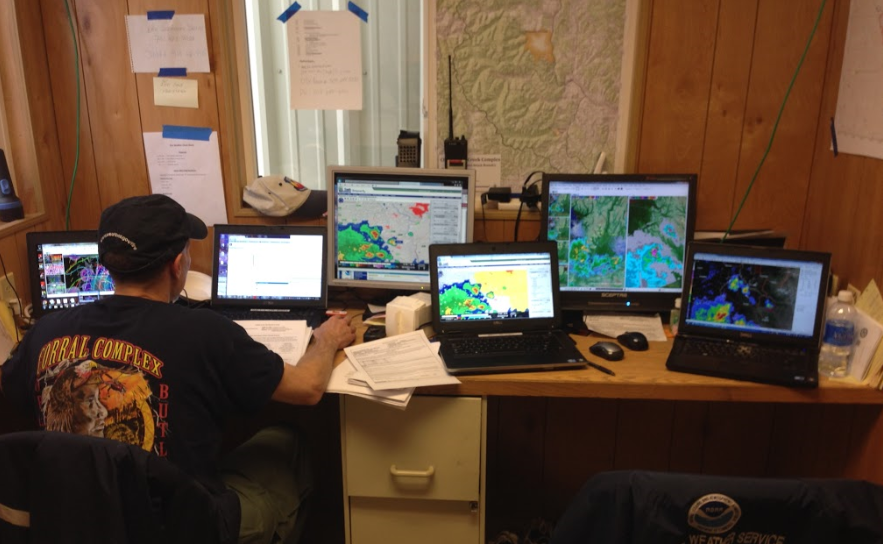
The set-up for an IMET who is keeping tabs on the weather at a fire incident. Photo/NOAA

The set-up for an IMET who is keeping tabs on the weather at a fire incident. Photo/NOAA

By NOAA

When you think of the role NOAA’s National Weather Service plays in hazardous weather, you may think of the forecasts they produce or the watches and warnings they issue leading up to a storm. What you may not realize is that the NWS has eyes on the sky before, during and after some of the country’s most dangerous weather.

On average each year, wildfires kill 30 people, destroy 2,800 homes and burn more than 7 million acres. The annual average cost for damages and suppression of wildland fire is more than $2 billion. Smoke from wildfires also causes numerous health issues. Breathing in smoke produced by wildfire can be extremely hazardous, particularly for children and older adults.

Meteorologists from NWS work on the front lines to support agencies who prevent and fight wildfires, collaborating closely with state and local fire control agencies, as well as the U.S. Forest Service and other federal agencies.

Wildfires are not weather. However, weather conditions influence how easily a fire may start, how quickly it spreads and where the fire (and smoke) will move. Lightning strikes in dry areas are a common cause of these fires.

Incident meteorologists (IMETs) help keep the fire crews safe by enabling responders to plan operations taking into account one of the most variable aspects of the incident — the weather. They are NWS forecasters who have been specially trained and certified to provide weather support at a fire location.

IMETs keep firefighters safe by interpreting weather information, assessing its effect on the fire and communicating it to fire crews. Once on-site, IMETs become key members of the incident command teams and provide continuous meteorological support for the duration of the incident.

IMETs are located in numerous NWS offices across the country. Once a large wildfire has started, an IMET is contacted and given orders to travel to the site of the fire as quickly as possible. Ken Simosko, an IMET with the NWS Bismarck Weather Forecast Office, has worked five fire incidents. “You have to be ready at a moment’s notice. I have my bag ready to go so that when I get the call, I can spend my time getting spun up on the history of the fire, its current and future situation. Usually an IMET is on scene within 24 hours to 48 hours of the initial call. This depends on the mode of travel [car or plane] and how far the IMET is from the wildland fire.”

At the fire site, the IMETs check in at the incident command center. This is usually located relatively near the active wildfire and is either part of a temporary tent or trailer camp that is set up for those who are working the event.

“Depending on the size of the fire there can be hundreds of folks involved. Some people bring tents to sleep in. I usually bring a blow-up mattress and sleep in the back of my truck. The command center supplies food and brings in shower and bathroom facilities on a flatbed for all of us who are working the event,” says Simosko.

Each IMET deployment lasts about two weeks, or until the wildfire is considered contained. If a fire lasts more than two weeks, another IMET will be sent to relieve the one who has just completed their two weeks on-site. There is very little “down time” when working a wildfire.

Jason Clapp, an IMET with the Sacramento WFO who has worked 18 fire incidents, notes that, “Morning comes early. You have to have time to check the weather situation and verify the forecast is still on track before the morning briefing.”

The day officially starts with this briefing for the full camp at 6am. From that point until lunch time an IMET’s time is filled with keeping an eye on the forecast and briefing individual groups who are handling different aspects of the fire.

“Sometimes I’ll be briefing the pilots who are fighting the fire by air so after the main briefing I’ll take a short ride to the airfield. Then I might come back and be asked to brief a state or county official who is going to be doing media interviews to get the latest information out to the public. You never know who you’re going to need to brief so you have to be flexible,” says Simosko.

IMETs often visit different locations where the wildfire is burning with a fire behavioral analyst. The fire area may have different types of ground cover, such as dry grasses, scrub brush, dense trees, or barren soil. If there is a terrain change, such as from flat field to rocky hillside, this can also impact the weather. To help understand these localized conditions, remote automated weather stations are placed around the fire and feed ground observations to the IMET to help them make their forecasts. To get a better idea of the weather conditions above ground level, which is especially important when monitoring for thunderstorms, weather balloons are launched on-site at the wildfire.

As the day goes on, an IMET’s duties shift a bit more heavily toward forecasting, especially if there is a chance of thunderstorms. In the areas where large wildfires tend to occur, thunderstorms don’t necessarily bring much rain, but they do bring plenty of lightning.

“If thunderstorms are in the forecast, you’re tied to your workstation, watching the storms on radar once they have started, and updating the forecast as needed,” says Clapp.

The safety of the crews working the fire is paramount so when lightning is in the area they are pulled back to a safe location. Wind is another dangerous element of thunderstorms. Strong gusts can cause the fire to suddenly shift, which can injure the firefighters or cut off their way back to safety.

Simosko noted that forecasting for a wildfire incident is very different from the general weather forecasts he issues in the office.

“[I’m] focusing on a much smaller area and a shorter time period. Because the forecasts are being used within minutes to hours, I get immediate feedback on how I did,” says Simosko.

Simosko and Clapp appreciate the immediate feedback. It challenges them to continually strive to make the best forecast possible.



5 ways to protect your garden from the deer

By Melinda Myers

Don’t let your vegetable and fall flower gardens succumb to hungry deer. Even if you’re lucky enough to be deer-free now, be vigilant and prepared to prevent damage as these beautiful creatures move into your landscape to dine. Here are five tactics to help you in the battle against these hungry animals.

Fencing is the best, though not always practical, way to control deer. Install a 4- to 5-foot-high fence around small garden areas. This is usually enough to keep out deer that seem to avoid small confined spaces. The larger the area, the more likely deer will enter. Some gardeners report success surrounding their garden or landscape with strands of fishing line set at 12 inches and 36 inches above the ground.

Low voltage electric fencing or posts baited with a deer repellent are also options. Just be sure to check with your local municipality before installing this type of fencing.

Scare tactics are less effective on deer in urban environments. They are used to human scents and sounds. Many gardeners report success with motion sensor sprinklers. As the deer passes in front of the motion sensor it starts the sprinkler and sends them running. Just be sure to turn off the sprinkler when you go out to garden.

Repellents that make plants taste or smell bad to deer can also help. You will find products containing things like garlic, hot pepper oil, and predator urine. Apply them before the animals start feeding for the best results. And reapply as directed on the label. Look for products that are easy to apply, odorless and last a long time.

Include deer resistant plants whenever possible. Even though no plant is 100 percent deer-proof, there are those the deer are less likely to eat. Include plants rated as rarely or seldom damaged by deer. And be sure to provide additional protection if you include plants known to be frequently or severely damaged.

Constantly monitor and evaluate the effectiveness of the methods used. Deer often change their feeding location and preferred food. And if the populations are high and the deer are hungry, they will eat just about anything. Be willing to change things up if one method is not working. Using multiple tactics will help increase your level of success.

So don’t let hungry deer stop you from gardening. Be vigilant and persistent and send them elsewhere to dine.

Gardening expert Melinda Myers has more than 30 years of horticulture experience and has written more than 20 gardening books, including “Small Space Gardening” and the “Midwest Gardener’s Handbook”. 


Road beat: 2017 Hyundai Elantra Limited rocks

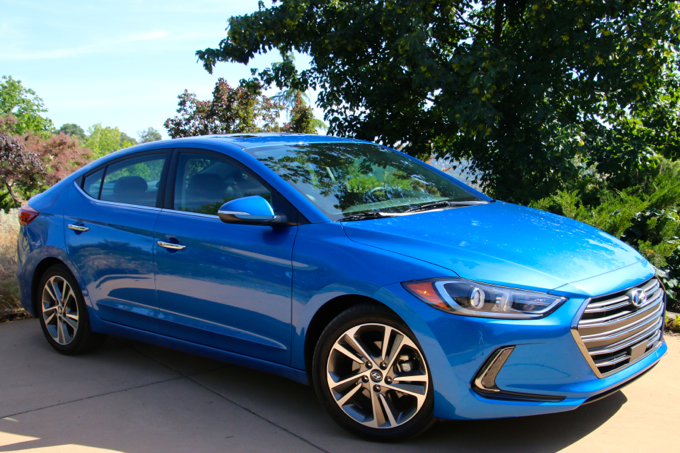
Hyundai Elantra Limited is one of the best in its class. Photos/Larry Weitzman

Hyundai Elantra Limited is one of the best in its class. Photos/Larry Weitzman

By Larry Weitzman

The almost all-new Hyundai Elantra Limited is reaching for best of class status in some pretty heady competition from the likes of the new Honda Civic and Mazda 3. Is it succeeding?

About the only leftover from the prior generation is the wheelbase dimension of 106.3 and the height of 56.5 inches. The balance of the car is all new including a new engine, tranny, construction techniques and exterior design. By construction means a much higher use of advanced high-strength steel which contributes to more torsional rigidity and bending strength which greatly improve vehicle dynamics, smoothness and quiet.

Elantra is an inch longer at 180 inches and also wider by an inch at 71 inches. Interior volume is 110 cubic feet, meaning by EPA standards it is a mid-size car.

First is the gorgeous new body. While it keeps the fluid dynamic theme, it is greatly improved by the new slick signature hexagonal grille design now used on the Sonata. Overall the new Elantra carries a more aggressive theme. It also has a low coefficient of drag, 0.27 which is just one piece of the puzzle to improve Elantra’s fuel efficiency.

Specifications Price $17,150 to $27,710 Engine 2.0L 16 valve, DOHC, Atkinson cycle inline four 147 hp @ 6,200 rpm, 132 lb.-ft. of torque at 4,500 rpm Transmission Six speed manual Six speed torque converter automatic Configuration Transverse mounted front engine/front wheel drive Dimensions Wheelbase 106.3 inches Length 179.9 inches Width 70.9 inches Height 56.5 inches Track (f/r) 61.0/61.3 inches Ground clearance 5.3 inches Fuel capacity 14.0 gallons Trunk capacity 14.4 cubic feet Passenger cabin volume 95.8 cubic feet Weight 2,811-2,976 pounds Steering lock to lock 2.7 turns Turning circle 34.8 feet Wheels 17 inch alloys Tires 225/45/17 Coefficient of drag 0.27 Performance 0-60 mph 8.71 seconds 50-70 mph 4.71 seconds 50-70 uphill 6.79 seconds Top speed Well into triple digits Fuel economy EPA rated at 28/37/32 mpg city/highway/combined. Expect 34-35 mpg in rural country driving with some stop and go. 40 plus mpg on the highway at legal speeds.

Specifications
Price $17,150 to $27,710
Engine
2.0L 16 valve, DOHC, Atkinson cycle inline four 147 hp @ 6,200 rpm, 132 lb.-ft. of torque at 4,500 rpm
Transmission
Six speed manual
Six speed torque converter automatic
Configuration
Transverse mounted front engine/front wheel drive
Dimensions
Wheelbase 106.3 inches
Length 179.9 inches
Width 70.9 inches
Height 56.5 inches
Track (f/r) 61.0/61.3 inches
Ground clearance 5.3 inches
Fuel capacity 14.0 gallons
Trunk capacity 14.4 cubic feet
Passenger cabin volume 95.8 cubic feet
Weight 2,811-2,976 pounds
Steering lock to lock 2.7 turns
Turning circle 34.8 feet
Wheels 17 inch alloys
Tires 225/45/17
Coefficient of drag 0.27
Performance
0-60 mph 8.71 seconds
50-70 mph 4.71 seconds
50-70 uphill 6.79 seconds
Top speed Well into triple digits
Fuel economy EPA rated at 28/37/32 mpg city/highway/combined. Expect 34-35 mpg in rural country driving with some stop and go. 40 plus mpg on the highway at legal speeds.

A new Atkinson cycle 2.0L DOHC 16 Valve inline four-cylinder engine boosts a 12.5:1 compression ratio and it runs on regular. It does this by using late closing intake valves. The six speed torque converter cog swapper has improved efficiency by 3.3 percent through a variety of improvements.

Making 147 hp at 6,200 rpm and 132 lb.-ft. of twist at 4,500 rpm the new Elantra scampers to 60 mph in 8.71 seconds. While average for the class, it feels spunkier than the numbers reflect as demonstrated by its passing numbers of 50-70 mph of 4.71 seconds. Up a steep grade that 50-70 mph time expands 6.79 seconds. Good performance especially in light of the Elantra’s new fuel economy numbers

EPA says the new Elantra should return 28/37/32 city/highway/combined mpg. My numbers were 5-10 percent higher with an overall number of 34-35 mpg and on the highway at 70 mph with the cruise control set at 70 mph it returned an average of 42.5 mpg and that’s with the engine spinning 2,300 rpm at 70 mph. And there is another model of the Elantra, the Eco with a new 1.4 turbo four on my test list that should do even better. Hyundai is going great guns. Something else contributing to its fuel economy and that is its new lower weight, 2,811 pounds in the base model and 2,976 pounds when fully loaded.

Something else is happening at Hyundai and it’s called “quiet.” Remember all that stuff above about advanced high strength steel is what you won’t hear in the cabin. This new Elantra is noticeable quieter than my previous Elantra tests. Hyundai even developed new adhesives to keep cars tighter. Also included in this new quiet campaign is new-found smoothness. It is uncanny that as driver or passenger just how smooth and quiet this new Elantra is.

Suspension is a Macpherson strut system up front and a semi-independent torsion beam out back with coils in all four corners along with gas filled shocks. The front set-up gets a stab bar. Steering is an electric motor driven rack that is quick at 2.7 turns lock to lock. No winding of the steering wheel in tight parking situations. It is more responsive. On and off center feel is also good. It’s turning circle is less than 35 feet. Also helping is the standard 17 inch alloys shod with 225/45X17 inch rubber. That’s a wide tire for a “compact.” The result is a sporty handling compact with some body roll, but the handling is very secure and maneuverability is excellent.

Ride quality is very good, handling with ease all but the worst road imperfections. And then there is the aforementioned smooth and quiet. In my last Elantra test, the previous generation couldn’t hold this new generation’s lug nut. Four hundred miles in this new Elantra would be a piece of case especially with its 40 plus mpg fuel economy and 14-gallon fuel tank.

Safety is also enhanced with nearly all electronic warning device available including, lane departure warning, lane keep assist, automatic emergency braking including pedestrian detection, blind spot detection, rear cross traffic alert and lane change assist. Those safety aids only add to the airbags and the already standard safety acronyms. Brakes are strong.

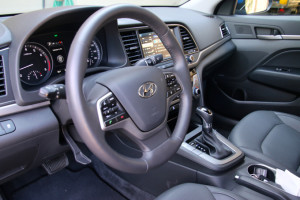
Inside is a new, easier to use Instrument panel somewhat in the style of some expensive German cars. Tach and speedo are front and center with the trip computer and other pertinent and not so pertinent driver info splitting the difference. To the right is the horizontally divided center stack with controls a seven-year old could master in a few minutes. Maybe that’s not such a good thing.

Doing 400 miles will require appropriate accommodations and the Elantra Limited supplies that as standard equipment with soft leather and a power driver’s seat with adjustable lumbar support. New this year thicker front door glass and added sound absorption, all adding to the quiet. Rear seating will handle three reasonably well in a pinch (pun intended).

New Hyundai Elantras start at $100 below last year at $17,150 plus $825 for the train from Montgomery, Ala. For $22,350 you can purchase by tester, the Limited Edition, which is hardly limited. My tested was loaded with the Tech package ($2,500) and Ultimate package ($1,900) which gives you all options, except for carpeted floor mats and for that you will pay another $125. With train fare my Limited totaled $27,710. While that price is maybe in mid-size car territory, the new Elantra is technically a mid-size car.

Larry Weitzman has been into cars since he was 5 years old. At 8 he could recite from memory the hp of every car made in the U.S. He has put in thousands of laps on racetracks all over the Western United States.