When last place is an accomplishment in itself

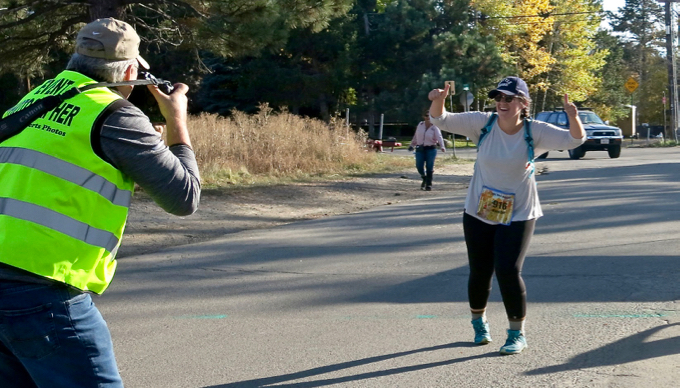
Katelyn Feeney has the strength to smile as she finishes the Lake Tahoe Marathon — in last place. Photo/Jessie Marchesseau

By Jessie Marchesseau

Eight hours, 45 minutes and 22 seconds after she started, Katelyn Feeney crossed the finish line.

It had been a long day, but the journey was beautiful. Feeney, 25, had just finished her first marathon. She may have been the 213 finisher, the very last one, but she had done it.

Her mom, Danette, was there waiting at the finish line with a smile and a hug.

“I am so proud of her,” Danette Feeney said. “I am so proud of her.”

The Lake Tahoe Marathon has been an annual event for 23 years. Les Wright, the event organizer, has seen all sorts of reasons for running a marathon in those years. He said some do it because it’s a goal which they have been working toward for a long time, some people do it because they have overcome a serious illness or lost a significant amount of weight, and some people do it simply because they love to run. Regardless of their reason, for nearly everyone, just finishing is an accomplishment.

“It’s a physical challenge,” Wright told Lake Tahoe News. “After my first marathon, I felt 10 feet tall for a month.”

Feeney, who lives in the Monterey area, had signed up for the Lake Tahoe Marathon back in August on somewhat of a whim. She hadn’t been training for a marathon or fulfilling some lifelong dream. She signed up “just to be able to do it.”

“I wanted to run somewhere beautiful so no matter what the outcome was, it was still going to be a good day,” she said of her choice to sign up for the Lake Tahoe Marathon.

She chose well. It was a beautiful course and a beautiful day. She walked most of the race and ran a little; she said jokingly that her running pace was slower than some people’s walk. But she found everyone so supportive, especially of the participants in the back. People would drive by honking and cheering. People would offer her water bottles. One person who was riding by on their bicycle actually dismounted and walked alongside her for more than a mile, just to show her support and offer a little bit of company.

Katelyn Feeney will always be able to say she is a Lake Tahoe Marathon finisher. Photo/Jessie Marchesseau

I joined Feeney for the last mile and a half or so of the race. We talked and laughed, and after 25 long miles, she still had a smile on her face. She set our pace at a fast walk until the final corner when she summoned her last bit of energy to run across the finish line. Even though the finishing arch had already been taken down, the band had gone home and the booths were packed up, when she ran across that line, horns were honking, people were cheering and her name was finally announced over the loudspeaker.

Though this was her first full marathon, it wasn’t Feeney’s first race. She has participated in several half marathons in the past including races in Africa and Germany when she was studying abroad. She always tried to get friends and acquaintances to join her in the races.

“It was fun to run people’s first half marathon with them because they get to see what they’re capable of,” she said.

It has been three years since she last did a half marathon, however Feeney had no doubts she was capable of finishing the full 26.2 miles of the Lake Tahoe Marathon.

 “I knew my body could go that far,” she said as we walked toward the finish line.

On Oct. 15, 2017, Katelyn Feeney finished her first marathon, but it likely will not be her last. She has a new goal: to walk half the marathon, and run the other half.

“I don’t quite feel like Superman with kryptonite yet, and I want that feeling,” she said.


Tahoe well represented in Warren Miller film

Errol Kerr and JT Holmes overlook Lake Tahoe during production of the latest edition of the Warren Miller film series. Photo/Warren Miller Productions

By Benjamin Spillman, Reno Gazette-Journal
 
The 68th edition of the iconic Warren Miller ski film series will feature epic skiing and snowboarding in locations such as Norway, New Zealand and the French Alps.

But viewers will notice plenty of shots with Lake Tahoe ties, too.

“Line of Descent” features several athletes with Tahoe ties and an entire segment shot at Squaw Valley and Alpine Meadows ski resorts.

Read the whole story


Wendy Shehadi — 1941-2017

Wendy Shehadi

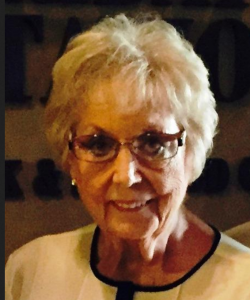
Longtime South Lake Tahoe resident Wendy Shehadi died Oct 19, 2017. She was 76.

She was born March 13, 1941, in Reno.

She died in Las Vegas from complications of kidney failure and pneumonia.

Wendy was a graduate of Reno High School and the University of Nevada, Reno, majoring in physical education and English. During her school years she competed in synchronized swimming events and served as a life guard. After UNR graduation she taught PE at Wooster High School.

Wendy and Dick Shehadi married in 1965. In 1969 they purchased Whiteside Chevrolet in South Lake Tahoe, becoming Shehadi Motors with franchises Toyota and Chevrolet, later replacing the latter with Chrysler, Dodge, Plymouth, Jeep and Honda Power Equipment.

Wendy was active in community organizations and associations, beginning with Soroptimist International of South Lake Tahoe in 1972. She served as president in 1975-76 and was a Sierra Nevada region chair for several years beginning in 1976. Wendy was honored with life membership in 2001.

Wendy served as a trustee of the Barton Memorial Hospital Foundation Board from 1991-97, also serving president for two years. She was a charter member of Heartbeat, the funding start-up for the foundation. She was a past president of the South Lake Tahoe Women’s Bowling League and a member of the Tahoe Choir.

That’s the factual part of some of the contributions Wendy made for the community. The part that will be endless will be the personal memories her family and friends carry with them. Wendy was the friend always to be counted on, the grandmother who awaited the call to learn how the latest events were going, the mother always to be at thousands of games and school events, the wife always supporting the needs of a busy franchise despite the fact that she could be a co-business owner but not a co-franchisee (those were the days, my friend!), the member of organizations to which she gave her all.

Wendy’s warmth, her smile, her interest in everyone around her will never leave the minds of family or friends. Her generous spirit to those in need, her ease of finding just the right words to console a friend, her love of her surroundings as long as family was close, her compassion for those in need of a hug. All were shared generously and will always be held in memory.

Wendy is survived by her husband, Dick, sons Mark and Scott, guardian son Mike Cokeron, grandsons Michael and Ryan Shehadi, brother Richard Rupp, sister-in-law Louise Rupp, brother-in-law Michael Shehadi, and several aunts, uncles, nieces and nephews.

A celebration of life will be on Oct. 28 in Las Vegas. There will be another celebration Nov. 4 at 1pm at the Lake Tahoe Golf Course, 2500 Emerald Bay Road, Meyers.


Unmasking the many faces of homelessness in Tahoe

By Susan Wood

CAMP RICHARDSON – “It could happen to anyone.” The words of Kasandra, a Tahoe native attending South Tahoe Middle School, resonated with about 120 captivated listeners sitting on both floors of the building.

It was as if the hush over the audience allowed hearing a pin drop at a stunningly quiet Valhalla Grand Hall.

Kasandra has been homeless.

A handful of speakers from Tahoe and Sacramento on Oct. 26 shared amazing stories of resilience, survival and inspiration in overcoming homelessness in their lives. While a Grand Hall blaze burning in the fireplace provided a homey feel, the intimacy and bravery of these people made the Faces of Homelessness a reality to many.

The event was put on by the Tahoe Coalition for the Homeless. It is a nationally recognized program that literally provides a human face to homelessness.

Like other communities, South Lake Tahoe grapples with the issue; having opened a warm room two winters ago. With an overwhelming number of guests considered local, the goal is to get these residents through the harsh winter months.

It’s much more difficult to deem homeless people as “the other” when they’re standing right in front of you. On Thursday night they were pouring their hearts out with the goal of bringing an understanding to the living condition.

With Kasandra, she recalled fondly a time when her family lived in a two-bedroom duplex, until life’s unpredictable circumstances took over. Something changed “all in one night.” A big fight between her parents sent her father to jail. He was the breadwinner and couldn’t remain so when he got out.

With a straight face, the young girl remembered her family moving in and out of different living arrangements – staying at Campground by the Lake, walking around and napping in the Stateline casinos and at her mother’s friend’s place. 

Surprisingly, but in the true nature of a Tahoe kid, Kasandra didn’t mind some nights outdoors because “I love the wilderness.” She got a few smiles with that declaration.

Marissa Muscat on Oct. 26 talks about homelessness on the South Shore. Photo/Susan Wood

She’s not alone

Another youth opened her story with a rhetorical question about: “What is normal?”

Erin Cox might have related to some degree with Kasandra’s outdoor experience – except that living indoors felt like staying outside.

Given that Lake Tahoe’s elevation is situated at more than 6,000 feet, the South Tahoe High School senior remembered being so cold living in a shed with no insulation or plumbing that she experienced a panic attack.

Her mother, who endured a debilitating illness since the girl was 5, “was violently ill.” The circumstances kept the family in an unfortunate web of poverty. Even though Erin ended up in Child Protective Services and has ultimately found an outlet in playing volleyball, she knew her mother loved her.

Seeking a father’s love

This was more than Wesley Colter of Sacramento could say about his upbringing. All he ever wanted was acceptance from his raging, alcoholic father.

What appeared to be a “normal” childhood from the outside – full of material goods and the nice house – turned out to be anything but. His father made it known that his son got in the way.

He characterized his interaction with his father as “neglect” when he did something right and “attention” when he did something wrong.

And then there were the times as a child when life was totally out of his control. Once when left alone by his father, he was sexually assaulted – a secret he kept for 25 years.

“It changed me forever,” Colter said.

The trauma set into motion a downward spiral that sent Colter living in the streets as a teenager, fighting, stealing vehicles and taking drugs. He consequently got involved with the wrong crowd.

“The minute they placed a meth pipe to my mouth, I immediately felt a part of,” he said. “Addiction ruled my life.”

The tribal experience sent him to prison at age 19. He was thrown behind bars as an “unsuccessful transition” nine times.

He finally turned his life around when he sought counseling, assistance from community resources, faith and a sober lifestyle.

Since he spent most of his life wanting to relate to others, it was only natural he would find a new lease on life helping others make the journey out of despair as he did.

Colter became a drug and alcohol counselor – the brightening light at the end of tunnel.

The darkness of the past

David Husid, today a vice president with Cottage Housing in Sacramento, knows all about the destruction of substance abuse.

His journey from his middle class life started with him feeling “special” because he was adopted. That was until he turned to drugs and alcohol later in life. He enjoyed the social aspect of it, but deep down sensed it could ruin his life. He left the San Francisco Bay Area – blaming the region for his condition. He moved to Sacramento. His problem only followed him. Husid hid the addiction from his wife, whom he cheated on in a drunken stupor.

With a “one-strike, you’re out” mentality, she threw him out of the house and onto the street. 

“What happened to my life?” he asked himself, while preparing to leave the house. The question turned out to be prophetic to what came before him.

Husid was running a high-dollar money-laundering scheme and substance abuse fed a manic need to be successful. But crime only pays for so long.

He was sentenced to six years in Folsom State Prison, where it took his hardened cellmate to wake him up.

“Dave, what have you done with your dash?” the cellmate asked, referring to the symbol on a tombstone. It was the man’s way of saying that he was wasting “a once promising life.”

Husid, now with degrees and drug and alcohol counseling certifications, was crying.

Feeling a connection

Many tears flowed, and some attendees shook their heads at what they were hearing. Many stared in disbelief at how stacked the odds were against those sharing – sometimes illustrating a consistent pattern among the adults identified as homeless at one point in their lives.

Homelessness can be a symptom to a greater pain – not the root cause of troubles.

The hosts and brainchildren of the evening – physician Marissa Muscat and rabbi Evon Yakar – were visibly moved by the connection between each homeless survivor and community members.

In the middle of the sharing, Yakar circled the large room to ask what one word comes to mind in hearing the stories. The responses ranged from “brave” and “desperation” to “family” and “support.”

Muscat, the local coalition’s executive director, choked up while she shared about a homeless hospital patient at Barton.

“Jorge” had asked himself at the peak of his troubling life: “How did I get here?” He was laid off from work and through challenges ended up on the street. She recalled their three-hour conversation at the end of his bed.

Today, he has turned his life around. His story inspired Muscat into action that resulted in her work for the coalition. 

“I’m so proud to be part of this community,” she said.

Under Muscat’s directive, the Tahoe coalition is seeking space for a facility to house up to 25 individuals. At least 2,000 square feet is required, in which case, the coalition will pay $1- to $2 per square feet in rent depending on size and utilities. Interested parties may contact Muscat at tahoewarmroom@gmail.com.

Last year’s warm room on the South Shore, which operated December through April, served an average of 27 guests nightly. The bulk of them were aged between 31 and 50. With 108 coming in, men more than doubled the number of women. Seven families with children younger than 18 were provided motel rooms.

The U.S. Department of Housing and Urban Development reported that on a single night in January 2015 California’s homeless numbered 115,738. That figure accounted for 21 percent of the nation’s homeless population.


With Calif. drought over, fewer Sierra pines dying

By Gabriela Quirós, KQED

After five years of drought in which more than 100 million trees died in California — mostly ponderosa pines attacked by tiny bark beetles in the Sierra Nevada — aerial surveys this summer revealed fewer dead pines than last year, a positive turn that researchers hope will continue if the state has another wet winter.

“We’re all hoping for another wet year that would really get us out of this situation,” said Jeffrey Moore, aerial survey program manager with the U.S. Forest Service in Davis.

Results from the most recent aerial surveys won’t be available until November, said Moore. But the aerial surveys he and his team started in early July reveal that fewer ponderosa pines have died this year than in 2016, when a total of 62 million trees are estimated to have died. The majority of dead trees in California since the drought began have been ponderosa pines. Sugar pines, Jeffrey pines, white firs, oaks and incense cedars have also died.

Read the whole story


Study: Few women in gaming leadership roles

By Michael Scott Davidson, Las Vegas Review-Journal

Twenty years ago, Valerie Murzl became Station Casinos’ first female executive to work in corporate offices.

Murzl said the male-dominated leadership welcomed her. But when she became pregnant later that year, she was reminded Las Vegas had a long way to go in bettering conditions for its working women.

Fast forward to 2017, and Murzl says she’s seen some important improvements. Many casino companies have opened in-house child care facilities for employees and have created private spaces for breast-feeding.

But a study published this month shows the industry has to do more to reach gender equality.

Read the whole story


Toxic runoff continues to pollute EDC waters

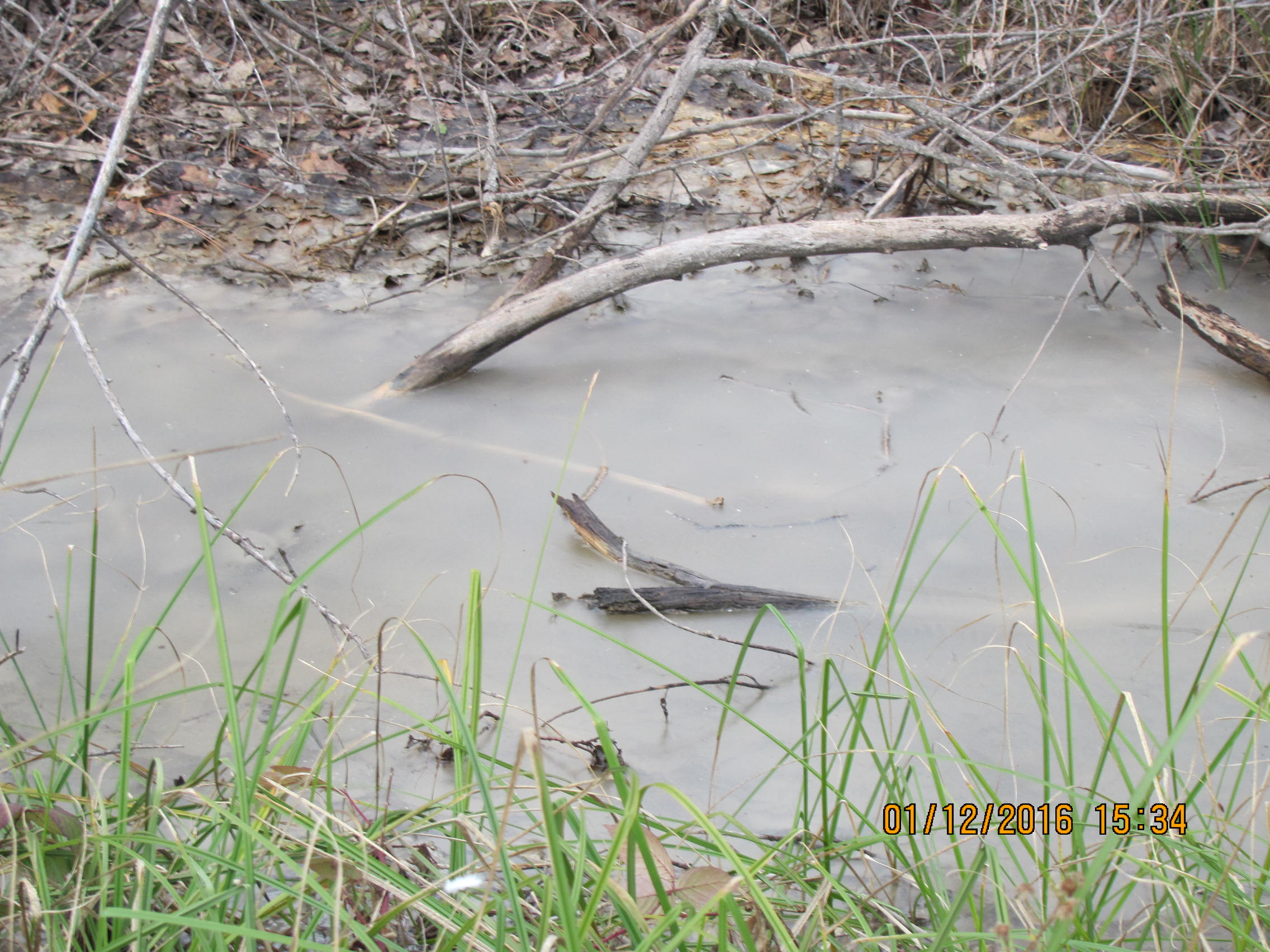
Rainyseasons bring murky water flowing into public right-of-ways. Photo/George Turnboo

By Joann Eisenbrandt

There is still no permanent solution to the high pH storm water runoff from the site of the former Diamond Lime Plant just west of Placerville. For the third winter in a row, concerns have been raised on the county’s West Slope about the potential public health threat this poses.

The Diamond Lime Plant was a lime processing plant that operated from the 1920s until the late 1970s. When it closed, remnants of its lime processing operations remained on the site—the residue of crushed lime rocks and limestone settling ponds.

The plant was situated above the El Dorado Trail, a popular local hiking and biking trail. The wet El Nino winter of 2015-16 awakened concerns about the toxicity of the highly alkaline runoff from the site running beneath and alongside the trail.

Greg Stanton, director of El Dorado County’s Environmental Management Department, told Lake Tahoe News back in June 2017, “El Dorado County has taken proactive measures to ensure the (El Dorado) trail is safe. Storm water staff has monitored the discharge points. The results have been as anticipated. We will continue to monitor it in the next wet weather season.”

The storm water runoff enters seasonal streams and tributaries along the El Dorado Trail. These drain into Weber Creek and eventually into the American River. A pH of 12.5 is defined as hazardous under federal guidelines. The water quality standard is a pH of 8.5. Soil samples and storm water runoff from the former lime plant have tested at and above these levels with readings of pH 14 recorded in two monitoring wells. The pH scale runs from 0 to 14. A reading of 7, the pH of water, is neutral. Above 7 is alkaline and below 7 is acidic. 

Where the Diamond Lime Plant once stood are vacant parcels owned by Michael Lindeman and Lawrence Abel and the Material Recovery Facility operated by Waste Connections. Other properties adjacent to the site and along Highway 49 have commercial or industrial uses; some were developed using fill soil from the former lime plant property. The Diamond Springs Parkway Project, an extensive county Department of Transportation roads project designed for that area has been years in the planning. Both the Lindeman and Abel properties are in its construction footprint.

When asked by Lake Tahoe News this month if the pH 14 readings required immediate action, the county said, “Based on data collected so far, the high pH groundwater is localized and does not appear to be migrating vertically or laterally. If there is a need for immediate remediation, the Water Board, as the lead agency, would make the determination.”

This is the fence officials believe will keep people away from the toxic water. Photo/State Water Board

Who’s in charge?

Local, state and federal agencies all have some jurisdiction. This includes El Dorado County’s Department of Transportation and its Planning and Building, and Environmental Management departments. The California Department of Fish and Wildlife, the Army Corps of Engineers and the California Regional Water Quality Control Board have water-quality based regulatory authority. Water quality is controlled at the federal level by the Environmental Protection Agency (EPA) under the Clean Water Act. The Central California Regional Water Quality Control Board oversees water quality issues in California for the EPA.

In June, county staff presented the Board of Supervisors a memo updating them on enforcement and remediation efforts at the site. “The Water Board,” it emphasized, “is the lead agency regarding the investigation of elevated pH soil and impact to surface and groundwater in the affected area.” 

Some have criticized the county for always putting ultimate responsibility on the Water Board while failing to do all they could to assist in these efforts at the local level.

Lake Tahoe News asked the Water Board for clarification of the regulatory “pecking order.” Marie McCrink, senior engineering geologist, said, “The CVWB is the lead agency for characterization and remediation of soil, surface water, and groundwater quality issues associated with the former Diamond Springs Lime Kiln Site. El Dorado County, Environmental Management Division, (EDC EMD), is lead agency for public health matters. Both the CVWB and EDC EMD work together on matters regarding the site and surrounding area. We keep each other informed of our planned activities and comments and responses to documents submitted for review.”

A push for action

Local residents and grass-roots organizations are frustrated that after years of investigation and testing, no significant remediation has taken place.

Walter Floyd, engineering geologist, and Stewart Black, Water Board site cleanup program manager, told Lake Tahoe News, “A significant amount of time was taken to allow local enforcement actions to run their course. Since that time, Water Board staff believe that the project is proceeding at a pace that is consistent with an environmental investigation and remediation project of this type.”

In August, El Dorado Progressives (EDP), a 501(c)4 West Slope political action nonprofit, along with Save Our County and Access El Dorado, sent a letter to the Water Board urging them to take some immediate actions.

“The (storm water) discharge is located next to a public paved bike trail where children, pets and adults ride, walk and run. Presently, there is an inadequate so-called barrier that would not prevent wildlife, pets, children and adults from entering the spring area and associated pond. We are deeply concerned that someone could be seriously burned. We have been frustrated from the inaction from other governmental agencies, specifically El Dorado County Environmental Management.”

The county installed 120 feet of fencing and warning signs in early 2016 along the portion of the El Dorado Trail where the highest pH readings were taken and posted advisories on the county website.

The attachment to EDP’s letter, prepared by Victor Izzo, a registered geologist who worked for the Water Board for 27 years, insisted, “… this discharge is a threat to public health and the environment … the remedial investigation and future remedial action may take years and therefore isolation to the discharge area, containment or treatment of the discharge and a deed restriction to prevent disturbance of the partially capped lime waste on the south side of the El Dorado Trail is required. No construction on the Diamond Springs Lime Company Plant facility area should be allowed until remediation is completed.”  

As part of its solid waste removal contract with the county, Waste Connections agreed to construct a new MRF on its existing site by October 2019. Investigations into lime waste contamination have pushed back this schedule.
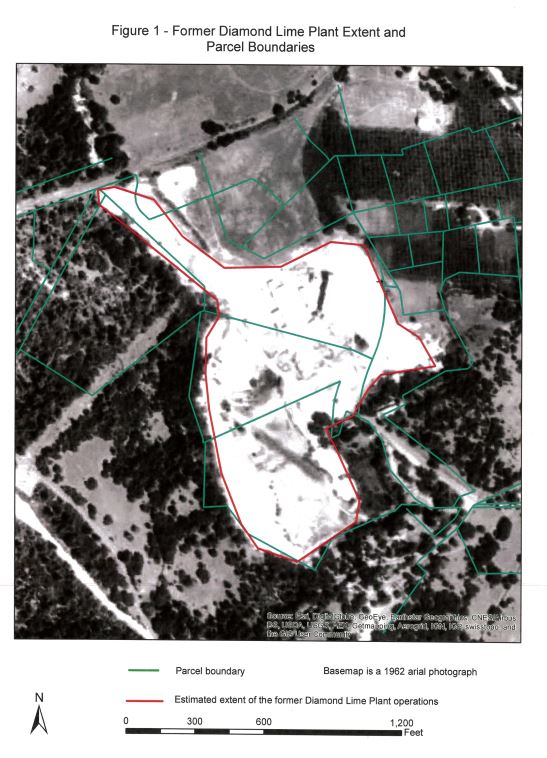
The 1962 map of the plant site. Photo/State Water Board

A long history

Public complaints and reports to local, state and federal agencies regarding the high pH runoff go back years. A string of citations has been issued to property owners, cleanup and mitigation plans ordered and soil and water testing reports written.

(Lake Tahoe News first reported on this issue nearly a year ago with a two-part series: story one and story two.  This was followed up another article in June.)

Early enforcement efforts were centered on the Michael Lindeman property. Many complained that it made no sense to exclude the Waste Connections property from such investigations as it too was part of the Diamond Lime Plant site. High pH readings in soil samples taken in July by Walter Floyd on the Lindeman property where it adjoins the MRF convinced the Water Board that additional investigation of the Waste Connections property was warranted. The Lawrence Abel property was later included in the high pH investigations as well.

Waste Connections, Lindeman, and Abel have now been tasked by the Water Board to test for high pH water and lime residue and to come up with alternatives on how to remediate them. Test wells were drilled, soil and water samples taken and analyzed, reports and work plans submitted. The Abel Trust is still in the process of preparing a work plan to identify the extent of lime waste on their property.

Within the last several weeks, Waste Connections submitted their report on remedial alternatives to the Water Board and Holdrege & Kull turned in their proposed winter mitigation measures work plan for the Lindeman property. These both await the Water Board’s review and approval.

How high is too high?

Cheryl Bly-Chester, a professional engineer and environmental engineering consultant, has been asking the county and the Water Board to take stronger action for some time. She recently called the Water Board, El Dorado County Environmental Management and county Public Health to express her concerns.

In a letter to the Water Board on Oct. 13 she wrote, “For years now, inexplicably high pH (exceeding pH 13, too high to be merely lime kiln waste) has been measured in surface water near the El Dorado Trail, down-gradient from the Waste Connections site. Little has been done to protect human health and the environment. … Last summer, it was reported that groundwater was sampled at pH 14 in multiple wells at the Waste Connections Facility on Throwita Way in El Dorado County.” This refers to pH readings contained in the Second Wuarter 2017 Monitoring Report presented to the Water Board by the Waste Connections consultants.

Bly-Chester called that report’s failure to discuss the implications of pH 14 “an egregious omission” by the consultant. “I reported that the failure had the appearance of hiding facts from the public.” She believes the Water Board is also at fault for not correcting this reporting lapse and, “has itself engaged in obscuring the extreme pH 14.”

Bly-Chester told Lake Tahoe News that calcium hydroxide (lime) alone cannot drive a pH reading as high as 14. She says this indicates there are other toxic compounds or factors such as underground pressure involved. She performed soil testing herself in the area in September. It showed the presence of calcium hydroxide, sodium and potassium, but not in high enough concentrations she believes to drive readings as high as pH 14.

She is most disturbed that neither the Water Board nor the county is asking why such high readings are occurring. “They should be asking this question themselves. It should not be up to the public to ask these questions. We have to know why we are getting these readings because the answer could be something dangerous.”

Lake Tahoe News asked the county to respond. They said that pH readings “can be affected by temperature and other factors. Laboratory analysis of solids indicate that the material is Ca(OH)2 (calcium hydroxide); no other high pH materials have been detected from the data collected thus far.  As the lead agency, the Water Board would make the determination for additional investigation for other constituents of concern, if warranted.”

The Water Board was asked why their people had not mentioned the pH 14 readings in their response letter to El Dorado Progressives. They told Lake Tahoe News, “Monitoring documents were neither requested in the El Dorado Progressives letter, nor provided in the Water Boards response letter.” Their Sept. 25, response to EDP stated, “Staff shares your concerns with many of the issues, and have directed responsible parties to collect data about which you may not have known.”

Is the El Dorado Trail safe?

El Dorado Progressives and Bly-Chester among others insist the existing fencing fails to provide enough protection for users of the trail or for the area’s wildlife. The Water Board told El Dorado Progressives, “The barrier erected (by the county) by the bike path appears to be adequate.”

“The fencing by the El Dorado Trail is believed to be sufficient to prevent accidental encounters with the alkaline water,” they told Lake Tahoe News, “as might occur with an out of control bicyclist or an errant roller-skater and to deter most community members and recreational users from entering the area. A person determined to access the alkaline water will likely find a way to climb the fence and access the alkaline water. Recent investigation activity has discovered that the areas with alkaline surface water occur on private property, where the general public would not be expected to trespass. Water Board staff will continue to work with property owners to address wildlife issues in their mitigation measures work plans.”

Popular trails boarder the contamination site. Photo/George Turnboo

Proposed changes

The Sept. 25 Holdrege & Kull Winter 2017-18 Mitigations Measures Work Plan for the Lindeman property includes proposals to enhance the fencing. This includes installing 15-foot-long T-post fences with wire mesh backing on both the east and west ends of the existing county safety barrier fence. They also propose an approximately 170-foot-long T-post fence with wire mesh backing along the northern portion of the Lindeman property line and warning signage on both fences on the north and south sides of the walking path “to inform pedestrians of the potential health hazards of coming in contact or drinking the potentially high pH waters flowing in the creek.”

The county’s response

El Dorado County originally told Lake Tahoe News, “The county and the Central Valley Regional Water Quality Control Board believe that the existing permanent fence installed in 2016 provides an adequate barrier to prevent accidental public access to the area impacted with high pH water. The county will be issuing a press release similar to last season reminding the public to avoid contact with storm water. No other additional mitigation measures are anticipated at this time.”

When asked about the more recent proposals in the Holdrege & Kull plan, the county responded, “The county believes the proposed fencing is an adequate barrier to deter a reasonable person.”

(Responses from El Dorado County were all provided by the public information officer.)

Is just monitoring the problem good enough?

Both the county and the Water Board say they will be “monitoring” the high pH runoff over the next wet season. Many believe this is not a sufficient response. El Dorado Progressives would like to see a temporary collection system for the high pH runoff put into place now. Izzo explained to Lake Tahoe News how a temporary collection system would work. “The high pH water is running down all the time during the winter. You would put in a sump to collect the water. It would be automatically pumped out when it reached a certain amount. Temporary collection is not impossible. It just comes down to cost.”

The Water Board responded that they are “considering requiring an interim remedial measure such as a collection system, but at this time, has opted not to.” The reasons given were that field measurements had indicated “areas with high pH surface water have a limited extent. Field data indicate the alkaline surface water has historically been neutralized approximately 100 to 200 feet downstream of the source.” Additionally, they felt there was, “no evidence to indicate that people are being exposed to alkaline groundwater.” 

Where is the high pH groundwater going?

Bly-Chester and Izzo point to the difficulty in telling exactly where high pH groundwater is going due to the geologic nature of the area. “There are fractures in the rock,” Izzo noted. “You never have enough data with groundwater. You can’t see it all. You have monitoring wells scattered around and make interpretations based on those wells. From what I’ve seen in general, once you get down into the fractured rock, the water is OK. It’s the upper groundwater. When it rains, the level of the groundwater comes up. It is running down and along the surface of the bedrock and springing out from the other side of the bike trail … if it were contained, it wouldn’t be springing out on the other side of the bike trail.”

Bly-Chester agrees. “It’s well known that the El Dorado County rock basement is highly fractured and water goes everywhere. How can it be contained in this instance?”

Deed restrictions

El Dorado Progressives also wants deed restrictions on parcels that were part of the former Diamond Lime Plant site. The Residual Lime Material Remedial Alternative Evaluation Report just presented to the Water Board by Waste Connections evaluated three remedial alternatives for the property. Their consultants determined the best alternative would be partial source removal along with excavation/treatment and source isolation.

The Water Board told EDP they will “review and comment on all proposed remedies for the site. If the selected remedy entails leaving highly alkaline soils at the site, all waste left in place will be secured so that it does not pose a risk to human health, the environment or waters of the state and deed restrictions will be required.”

Determining the extent of the problem

El Dorado Progressives questioned whether the full extent of the Diamond Lime Plant operations has been determined. “The overall extent of the lime kiln waste has not been defined. A parcel by parcel investigation has been done instead of an evaluation of the total extent of lime plant operation. The aerial extent appears larger than the parcel presently under investigation.” 

This refers to aerial photos taken in1962. The Water Board says that the1962 aerial photos were georeferenced using the geographic information system (GIS). They point to the evaluation of these photos as part of the historical use of the site report by Holdrege & Kull in June for Michael Lindeman which indicates that 1962 was the year in which the maximum historical limits of operation took place. Property owners, the Water Board told EDP, have all been asked to determine the full lateral and vertical extent of lime waste and its impacts on surface water and groundwater on their property.

What would Erin Brockovich say?

The presence of chrome 6, the hexavalent chromium made famous by Erin Brockovich, was also raised by El Dorado Progressives. They say that additional sampling for chrome 6 (Cr+6) and other heavy metals still needs to be done. They pointed to samples in which heavy metals exceeded the acceptable MCL (maximum contaminant level) for drinking water as established by the EPA.

Chrome 6 is a common byproduct of lime kiln operations. “They know lime kilns convert chromium,” Bly-Chester said. “They only sampled for it in one or two places and called it good.” When chromium is heated up, she explained, it oxidizes as other heavy metals like arsenic do. When they are oxidized, it changes their chemical composition and they get extra icons which makes them reactive. “Chrome 6 is a toxin.”

The Water Board told EDP that the water samples they referred to were from a 2016 Well Monitoring Report and should have been filtered by the analytical laboratory. “However, due to a miscommunication between the consultant and the laboratory, three of the samples were not filtered.” These were the ones with the high concentrations. “The data from these three borings are therefore considered suspect and biased high due to the presence of suspended solids in the samples.”

No additional sampling from these borings was done. The Water Board concluded that, “hexavalent chromium is not a chemical of concern at the Site.”

The responsibility puzzle

Assigning blame for the fact that toxic impacts of the Diamond Lime Plant remain 40 years after it closed is not that easy. While Victor Izzo affirms, “The whole site is a threat,” his years with the Water Board give him insights into why the process often takes so long.

“The problem from the Water Board’s perspective,” he told LTN, “is that they often don’t know (about a problem) until someone reports it.” Once the extent of the problem is identified, he adds, there are three steps: selecting the remedial process, designing how it will be done, and then cleanup. Once the remedial design is in place it can be implemented. Right now, he said, “They are only at the selection stage.”

Next steps

While some things are known, many more are not. The Water Board is still waiting for the final work plan for the Abel property. It will need to review it and those recently presented by Waste Connections and Michael Lindeman. What actions it and El Dorado County will ultimately take and which, if any, of El Dorado Progressives suggestions could be implemented prior to the rainy season remains unknown.

Three years ago, frustrated local residents asked the 2013-14 El Dorado County Jury to conduct an investigation of the continuing high pH runoff. The Grand Jury concluded, “Nobody is doing anything to stop it. Not the owner, not the county and not the state.” Despite actions taken since then, the grand jury’s conclusion that “the last vestige of the Diamond Lime Plant may be the lime waste that today continues to contaminate the property, surrounding area and adjacent waterways,” remains true today.



Wine Country residents wonder where to live

By Lizzie Johnson, San Francisco Chronicle

It’s the loneliest part of the recovery.

After the ruins of their homes stop smoldering, after the donations slow, and after the emergency shelters close one by one, many people displaced by this month’s fires will remain in limbo. They must find a new place to live, at least temporarily. But they are already struggling, one by one, to find homes — the most basic step in regaining what was lost.

The housing problem is expected to be so dire that up to 8,000 displaced residents will leave Sonoma County, said Sean McGlynn, the city manager of Santa Rosa, where the destruction is the heaviest. And the diaspora has already begun.

Read the whole story


Amgen women, men cyclists returning to Tahoe

The lead this year changed several times on Kingsbury Grade. Photo Copyright 2017 Carolyn E. Wright

By Kathryn Reed

South Lake Tahoe will be an integral spoke in the Amgen Tour of California 2018 cycling event with the women and men coming to town.

Both will be here May 18.

The women’s second stage will begin and finish at Heavenly Mountain Resort as they have done multiple times – this being the fourth consecutive year. The men will finish stage 6 at the resort after leaving from Folsom that morning.

The exact routes, though, will not be announced until after the first of the year.

With the women only being in town for one leg, it’s likely they will not ride around the lake. This year’s route over Luther Pass, through the Carson Valley and up Kingsbury Grade was touted as being one of the best. Tourism officials like that this route showcased what the Sierra has to offer in terms of challenging terrain, elevation gain and scenic aspects.

The lead changed multiple times coming up Kingsbury, making for an exciting race for riders and spectators.

“There were some maneuvers there that changed the whole finish. That was pretty exciting,” Carol Chaplin, executive director of Lake Tahoe Visitors Authority, told Lake Tahoe News. “Some of these women, they are not first-timers. They have learned to deal with the environment.”

The European tour, though, is not about altitude, so starting at more than 6,000 feet in itself is a challenge, let along climbing to more than 8,000 feet.

What the men bring is live coverage, which is great for the location to show off the scenery on television.

The last time the guys were in Tahoe they came over Luther Pass into the South Shore.

The main options from Folsom to South Lake are Luther or Echo Summit. With the race being on a Friday and the locals coming unglued with even the thought of Echo being closed, it’s doubtful that will happen.

“I would much prefer Luther because it is the road less traveled,” Chaplin said.

With the race being mid-month, the threat of nasty weather diminishes. It must be 45 degrees for riders to race. Snow, cold and wind have all been a factor here in the past for this race.

While the crowds have been less in Tahoe than in some locations, it’s not really an event about putting heads in beds.

“We still feel this is a more of a media event. It’s not about attracting overnight stays as much as it is telling the story about our outdoor recreation, cycling and elite events,” Chaplin said.

And for 2018 Reno will be hosting the Interbike event, a massive trade show that will put the region on the map for cycling. Having Amgen a few months earlier will increase the awareness of the Tahoe-Truckee-Reno area being a cycling destination for roadies and mountain bikers.

In total, the Amgen women have three stages – each within the city they are at – Elk Grove, South Lake Tahoe, Sacramento. The men have seven stages – starting in Long Beach on May 13 and ending in Sacramento. From Tahoe they all will drive to Sacramento for their respective final legs on May 19.


Future of Meyers wrapped in area plan

By Susan Wood

STATELINE – You sense it descending Highway 50 approaching the Lake Tahoe Basin. Things are a little different in the village a few miles west of South Lake Tahoe.

Cycling is all the rage. Golf can be played with a club or a foot. The Grade has long been the place to walk and socialize. Ski swaps reflect a community sharing thoughts and equipment. Santa arrives in a helicopter. The snow is a little deeper. The juice in the greyhounds at Divided Sky is a little sweeter. Dogs rule the outdoor dining at Getaway Café.

Meyers has come into its own as a quiet, recreational enclave full of possibility. This potential made its way into a fourth draft before the Tahoe Regional Planning Agency on Wednesday.

No action was taken, as this is but one in a number of meetings to be scheduled. El Dorado County is proposing a new area plan – in the works for at least five years – to replace the 1993 area plan.

County planner Brandan Ferry told the TRPA Governing Board’s Regional Plan Implementation Committee that developing this plan meant keeping in mind Meyers “has its own identity” as a recreational hub.

“That’s a key tenet to this plan,” Ferry said.

Much of its focus is on bike and pedestrian trails and making them more user friendly with subtleties such as landscaping, benches and planter boxes. More acreage was zoned for recreation and conservation at 176 and 348, respectively. Conservation is critical, as Ferry identified the area as being the No. 1 pollutant of watersheds in the Lake Tahoe Basin.   

Key issues are being addressed to make the corridor an ideal place to live, work and visit. Interestingly enough, the regulatory agency is also undergoing a review of the region’s collective of corridors. This one just happens to be the main entrance into the basin.

Meyers is loosely defined as an area spanning about 669 acres between the Pioneer Trail and Highway 89 intersections along Highway 50.

Within that area, the county studied provisions in commercial floor space, area allocations, density and land use. As a result of 14 public meetings, community and county input maintained the threshold for building height up to 42 feet for mixed use. That’s 14 feet less than the allowance provided in the regulatory agency’s Regional Plan.

The proposed plan serves to consolidate three existing commercial and community services zoning districts along Highway 50. This one proposed zoning district will be referred to as the “Meyers Community Center” for the sake of a title. A citizen action committee of sorts referred to as the Meyers Advisory Council will oversee the area.

The council’s job will be crucial to the profile of the village. 

One of the key challenges is integrating a community off a highway with a Main Street vibe.

Unlike the Stateline area, there are no lodging establishments in Meyers. But this could change as Meyers has a little wiggle room for potential development.

The question comes into play when considering that up for sale is the Tahoe Paradise Golf Course, with its sprawling 50 acres of prime location, location, location.

When asked by TRPA board member Austin Sass about the property’s possibilities, Ferry responded the land may see a cultural facility, transit center or a cross country ski area as examples. 

“So that 50 acres could be developed?” Sass asked.

Whatever is placed there would need to protect the environmentally sensitive headwaters of Meyers Creek.

The public comment period on the plan’s environmental impact report was completed. But more meetings will be planned, and more work needs to be done.

Transit transitioning

No other aspect of the plan is expected to command more scrutiny than the area of transportation.

On any given Sunday traffic backs up heading west as tourists make their way out of South Lake Tahoe through Meyers. On the flip side, critics contend motorists speed through town at other times, creating a safety hazard.

“Is Caltrans involved?” TRPA board member Jim Lawrence asked. 

To that, Ferry affirmed the agency’s role, saying: “We’re working tightly with them,” adding that the goal of “traffic calming” was a priority with the plan.

The proposal calls for removal of the U.S. Agricultural “Bug” Station at its current location, a crosswalk at Apache Avenue and two roundabouts. One would be situated at Pioneer Trail and the other at the junction of highways 50 and 89.

The latter has prompted concern among some Meyers residents because of safety concerns. A few attended the meeting out of about a dozen people in the audience, signaling a large departure from the large, raucous crowds that gathered for the plan’s early discussions.

Resident Leona Allen said she’s concerned about roundabouts becoming a safety hazard and snow removal problem, especially after hearing from area law enforcement. This is despite transportation officials’ claims of the opposite. She insists the focus should be on traffic “flowing,” not necessarily “calming.”

Allen was joined by Judy Clot, who also expressed opposition to a roundabout. She believes it will develop more congestion.

The Tahoe Paradise Park board member would like to see more stoplights, having witnessed a man in a wheelchair trying to cross the unusually wide highway with three children and almost getting hit by a car.

“They don’t stop,” she said, declaring people “don’t notice.” Further, Clot noted flashing lights near the agricultural center haven’t helped either.

Clot advocated for a member of Tahoe Paradise Park to serve on the Advisory Council.

The Meyers Area Plan will need final approval from TRPA and the county.