Schools benefit from growing interest in lottery

By Ryan Menezes, Los Angeles Times

After years of decline, the California Lottery is booming. The jackpots are bigger, and that’s drawing more players and excitement.

The turnaround is due to changes made to the lottery in 2010, when revenues were on the decline. The changes brought bigger prizes, but they also altered the formula for how much revenue schools receive. And the long-term effect of those changes is far from clear.

With lottery revenue booming, the money sent to schools has increased. In the 2011-12 fiscal year, the lottery wrote a check of $1.3 billion to California public education, the 12th straight year that the lottery contributed more than $1 billion. But the gap between the share of lottery revenue going back to prizes and the percentage sent to public education is widening, according to audited financial reports the lottery publishes on its website.

Read the whole story


Celebrating 2014 atop Elephants Back

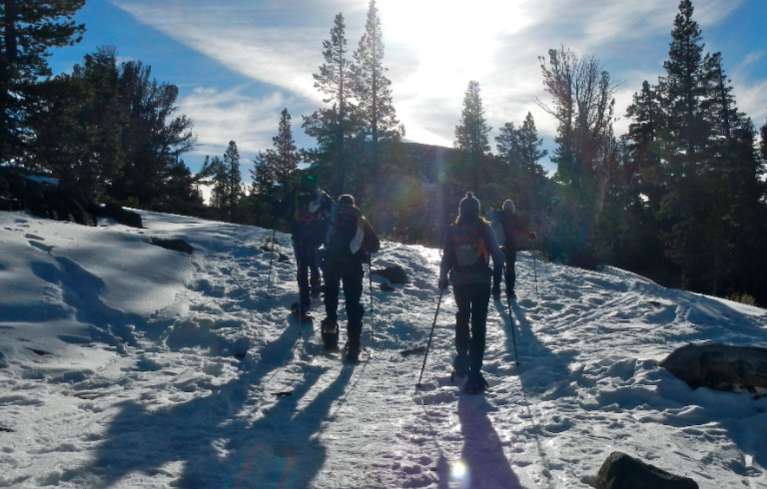
Elephants Back loom ahead of the snowshoers on Jan. 1. Photos/Kathryn Reed

Elephants Back looms ahead of the snowshoers. Photos/Kathryn Reed

By Kathryn Reed

Starting the New Year surrounded by the beauty of nature in the company of friends should become a tradition.

Craig and his six women – me, Sue, Donna, Suzy, Carolyn and Trish – started 2014 with a snowshoe to the top of Elephants Back in the Mokelumne Wilderness.

It was one of those incredibly perfect Lake Tahoe days: the sun beaming down, the sky a deep blue with streaks of white clouds, not even a wisp of wind at the top.

If only those moments could be bottled.

We took our time last Wednesday. Donna’s gadget recorded us being in the wilderness for about four hours, but only two of which actually involved walking. We did put in 4.61 miles, gained 1,168 feet in elevation and went to 9,584 feet.

Photo stops were a necessity, as was a leisurely lunch at the top.

One reason for choosing this excursion was thinking there would be more snow compared to lake level, which is rather barren. Plus, much of the trail is exposed so there was less likelihood of ice being an issue.

The trail starts off narrow, so we are in a line. The snow is hard in this section, so the claws on the snowshoes are welcome. So are the poles for a better sense of balance. Sun filters in between the tall pines.

It doesn’t take long for Elephants Back and Round Top Peak to show themselves.

Plenty of people have been here before us. While it’s nice to not be breaking trail, there are too many trails at times. We know the direction we should be headed and have plenty of daylight, so it’s no big deal. But I would imagine it would be a bit disconcerting for those who are unfamiliar with the area.

At one point Frog Lake was on our left and Woods Lake to our right in the distance. I never saw them. But in the summer I always see Frog Lake on my way to Winnemucca Lake. Part of this trail is also a segment of the Pacific Crest Trail. We never saw that trail indicator either.

Pausing we turn around and in the not too far distance is Caples Lake. From this perspective it looks large and completely covered in ice. I can only imagine the fishermen are out there enjoying their sport.

At the base of Elephants Back the snow is like sugar. While it’s ideal for our purposes, it will pose an avalanche danger once more snow arrives. This consistency does not make for a good base.

It’s not until we are part way up Elephants Back that we are able to see a frozen Winnemucca Lake at the base of Round Top. Earlier we had passed a couple who had spent the night there. That would have been one heck of a way to ring in the New Year.

On our way out we saw people headed to Round Top with the intention of skiing down. I shook my head thinking I hope those are rock skis they have on.

We took our snowshoes off to make it up the loose volcanic rock of Elephants Back. There was no way to snowshoe to the top. But that didn’t matter.

The views at the top of Elephants Back are some of the best to be had in such a short distance – especially since the expanse of beauty spills forth in every direction.

—

Getting there:

From South Lake Tahoe, go west on Highway 50. Turn left on Highway 89. At Pickett’s Junction, go right on Highway 88. At the top of Carson Pass, park on the left. The trailhead is by the building.

A sno-park permit is required between Nov. 1-May 30. The closest place to the trailhead to buy one is at Sorensen’s Resort. Or they may be purchased online. The cost is $25 for the season or $5 per day. It’s a $94.50 fine if caught parking without a permit.

ngg_shortcode_0_placeholder (Click on photos to enlarge.)


Water, prison, budget issues face Calif. lawmakers

By Melanie Mason and Patrick McGreevy, Los Angeles Time

SACRAMENTO — Returning to the Capitol on Monday after a four-month recess, state lawmakers are set to tackle water issues, prison overcrowding and a budget debate that will be shaped largely by the state’s rosier economic outlook.

Other factors will also affect legislative decisions in 2014: election-year politics, internal leadership battles and a continuing federal corruption investigation into allegations that Sen. Ronald S. Calderon, D-Montebello, accepted bribes to exercise influence on bills.

Officials have predicted a $2.2-billion surplus when the current fiscal year ends in June. The state’s improved financial footing could set off new battles over whether to restore social services slashed during the recession or hold off on any significantly higher spending. Early budget proposals from legislative leaders have attempted to strike a balance. Gov. Jerry Brown will release his budget plan Friday.

Read the whole story


FDA questions unreported robot surgery injuries

By Robert Langreth, Broomberg

When Sheena Wilson, 45, underwent robotic surgery for a hysterectomy in May, she didn’t know the Intuitive Surgical Inc. system used by her doctor was previously tied to a variety of injuries for the same procedure.

Her rectum was badly burned in the operation, said Wilson, a mother of two from Parlin, N.J. Now she is on long-term disability, fearful of losing her job and facing a third corrective surgery, she said in a telephone interview.

“If I had known there were other people who had injuries, I would never have done this surgery,” said Wilson, who has filed suit against Intuitive and her doctor. “Whatever they have in place is not working.”

The use of complex medical devices is exploding. Last year, Intuitive’s da Vinci robotic surgery system alone helped doctors perform more than 350,000 surgeries in U.S. hospitals.

Doctors at Barton Memorial Hospital in South Lake Tahoe use the da Vinci.

Patients like Wilson, whose lives depend on the proper use of increasingly complex high-tech medical equipment, often can’t get a complete picture of potential problems.

While a U.S. database lists reports of deaths and injuries sent to the Food and Drug Administration, the agency has no authority to force doctors to contribute. And while hospitals are supposed to report, they often don’t, critics say.

Indeed, a Bloomberg review of reports for operations with Intuitive’s robotic system found dozens of injuries that went unreported for years. Meanwhile, details of other patient problems involving use of the company’s product, cited in legal papers or in interviews with patients, were missing entirely.

Read the whole story


Cabo beckons those in search of winter warmth

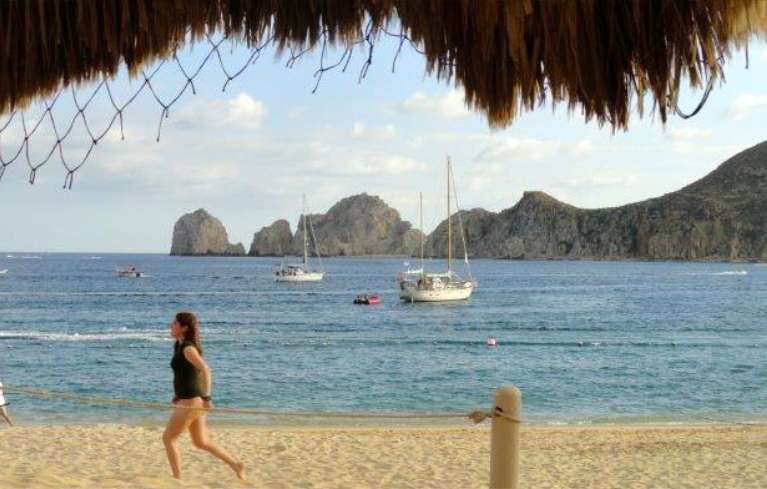
Warm waters of Cabo are perfect for swimming -- even in winter. Photos/Robert S. Wood

Warm waters of Cabo are perfect for swimming — even in winter. Photos/Robert S. Wood

By Robert S. Wood

BAJA, Mexico – A winter visit to the tip of Baja in Mexico offers the quickest, easiest access I know to warm semi-tropical ocean beaches. Deanne and I like to visit shortly after Thanksgiving, when the water is still swimming pool warm — October can be too hot — before the snowbirds and spring breakers arrive in force and room prices double for the holidays.

We’re currently just back from three December weeks, where daily temps hit the low 80s, the ocean was a balmy 75. We walked the beach barefoot at night in shorts. That’s fairly typical Cabo winter weather, with low Tropic of Capricorn humidity. Farther south in coastal Mexico. It gets warmer, but can be sticky, and the Pacific Ocean swimming isn’t half so good as at sheltered Cabo.

The 1,000-mile long rugged desert peninsula hangs like a beard off the bottom of California. At its tip are two contrasting Mexican towns, Cabo San Lucas and San Jose del Cabo. They are joined by a fancy 25-mile seaside divided highway. This trio comprises Cabo, with its sport fishing yacht harbors, glitzy hotels, golf courses, condos, gringo enclaves and white sand beaches.

One inland airport – “Cabos International” — serves both towns, first heading south to San Jose, then turning west to Cabo. It’s mostly traveled via local buses, hotel shuttles and taxis. It’s also possible to drive your car or camper, or take a Mexican bus all the way down from the border on a fascinating and still wild 1,000 miles of third-rate blacktop through the desert.
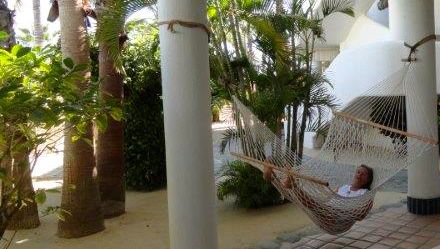
Time to relax.

Time to relax.

There’s also primitive car ferryboat service from the Mexican mainland, though not directly to the Cabo area. During the past 30 years, we’ve tried every approach. For years we used to drive our old ’56 Chevy camper van down from Tahoe, stopping at little beaches and fishing camps along the way to trade our frozen steaks for fresh catch, camping on the beach or rare campgrounds. That can still be done, and there are more campgrounds now, even at the tip.

Cruise ships also visit Cabo, but not as a final destination — unless you jump ship, which I’ve seriously considered.

The two towns are wildly different. Cabo San Lucas is an old fishing village built around a handsome yacht harbor full of gleaming white fishing yachts. It lies only yards from the big surf of the wild Pacific Ocean, just behind Lands End and the famous granite arch that shelters Medano Beach.

Medano is the best, safest place to swim in water as clear and blue as Lake Tahoe — and always much warmer. All beaches are open to the public, with white clad Mexican vendors trudging through the sand to sell jewelry, rugs, clothing and crafts. We find them authentically charming, but some think them annoying, though it is their country.

Downtown Cabo behind the marina is home to the Giggling Marlin, Cabo Wabo, Squid Roe, raucous nightclubs, nightly girlie shows, swim with dolphins concessions, billfishing tournaments, ziplines, harborside cafes, dune buggy and Wave Rider rentals, loud salsa beach cafes (The Office, Mango Deck, Billigans) that are popular with spring breakers, sunset booze and dinner cruises, snorkeling tours, and glass-bottom boat trips to famous Lovers Beach behind Lands End.
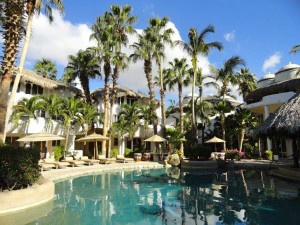
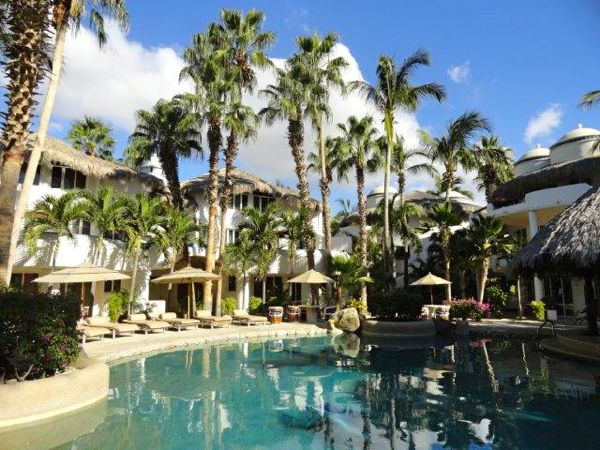
Lodging options run the gamut.

Lodging options run the gamut.

There is also Wal-Mart, McDonald’s and Costco, acres of gift shops — and the billboards are mostly in English. You can mostly drink the water and safely eat from taco stands. And your Mexican hosts are mainly friendly, cheerful and smiling, grateful to be living where they do.

In stark contrast, San Jose del Cabo at the eastern tip of the beard is a quiet, younger, charming Mexican village, with attractive outdoorsy restaurants, art galleries, museums, a new yacht harbor and nature park. It sits on rocky shores interspersed with beaches, but they are not safe for ocean swimming.

Clearly, Cabo is the happening place. We stay nearby at Club Cascadas on Medano Beach for the great swimming, only rarely walking — no car needed –into town or the harbor for dinner, where food is decidedly more expensive than at Tahoe. At Cascadas — funky architecture under waving palms — you can buy packages of as few as four beachside timeshare weeks quite reasonably — or expensive villas with third floor swimming pools or lifetime perpetual legacies.

The handsomely landscaped “corridor” that joins these two contrasting towns is locally known as “The Four Lane”. It provides access to the string of destination, side-by-side luxury hotels, most with championship golf courses and many swimming pools, with sometimes swimmable beaches. But they are comparatively isolated. You need a car (rentals are available) to get to town, or take a hotel shuttle or expensive taxi. Otherwise guests are captive to their hotel restaurants.

Condo-hotel-timeshare rooms must first be divided into standard — some with kitchenettes — and all-inclusive. The latter have proliferated in recent years, saving the casual traveler and young families the need to hunt down and travel to restaurants, deal with the language and foreign currency, thus nicely overcoming the isolation drawback in the corridor hotels.

All-inclusive allows the traveler to eat and drink all they want without ever changing dollars into pesos, usually at three or four restaurants, most of them buffets. You pay for everything before leaving home, then wear a bracelet that identifies you as pre-paid. No wallet is needed, as you can charge other costs to your room.

It’s a new freedom with few drawbacks, growing fast in popularity with those who don’t care about the local culture or are timid about foreign travel or want maximum freedom and comfort. Incidentally, street crime in Cabo is virtually unknown; police are watching out for tourists. We feel safer walking the Cabo streets at night than in any sizeable U.S. city.

Hotel rooms are next subdivided into beach-seaside and inland-town, the latter being much cheaper. They are then further categorized on the basis of location and view, using the common industry terms: Beachside, Ocean View, Poolside and Garden (meaning no water in sight).

Timeshares are aggressively offered for sale even before you get out of the airport. Attending a seductive timeshare presentation takes half a day, not the hour they promise, but if often earns a free meal and cash or perks worth up to $200. If you must buy, get a floating (flexible) week, not a fixed (rigid) one. But beware that the uncapped stiff annual maintenance fee will keep going up until it’s more than the place is worth and you’re locked in to keep paying it.

For those who fall for Cabo and want to stay longer for less there are also condos for sale, as well as inland-gated gringo communities where a new home with a view to the ocean and Lands End can be purchased for under $100,000. Incidentally the distinctive-prominent bare rocky spine leading to the arch and Lands End is made of the same light granite we know at Tahoe.

Cabo is highly popular with the more romantic expats and snowbirds, but for those who prefer what a city can offer, less glamorous, cheaper La Paz (population roughly 250,000, with a larger selection of cheaper gringo communities) lies only four hours by road to the north, with essentially the same climate and more amenities but no arch.

In between lies the artsy Pacific surfers village of Todo Santos. Cheap local buses make a circle day trip from Cabo around lovely scenic mountain ranges to see it all. So do more comfortable and expensive excursion buses and city tours leaving from Cabo hotels.

All things considered, Cabo is far from authentic old Mexico, but it’s salubrious climate, warmth, charm and easy holiday seaside beauty, combined with its quick easy air access — our fight from Phoenix gets us there in time for a swim before lunch — makes it almost irresistible for an outdoor warm winter holiday.

Robert S. Wood and his wife spend half the year in Lake Tahoe and the other half in Sedona. He is the author of a dozen books, including the original trail guide to Desolation Wilderness.
Anderson’s mom taking on new life as farmer

By Katy Savage, Vermont Standard

HARTLAND, Vt. — Inside Lauren Anderson’s home, there is a picture of eight grown children hanging underneath the stairwell. Two of the children in the photograph made it to a national snowboarding championship, another was a top slopestyle competitor, another won gold in snowboard cross at the Winter X Games two years ago. Another — Jamie Anderson — is the top woman slopestyle competitor in the world and is set on competing for the Olympic team in Russia this winter.

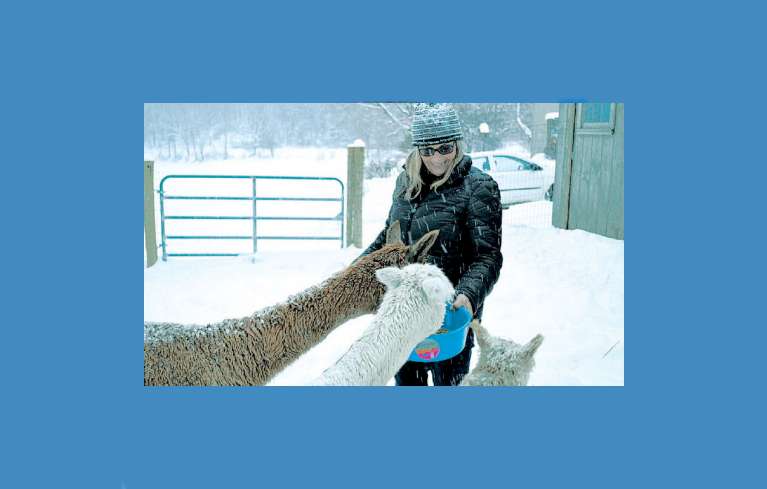
auren Anderson feeds grain to her three alpacas during a snowstorm. Soon she plans to open a store, selling hats and sweaters made with alpaca fiber. Katy Savage Photo

Lauren Anderson went from Tahoe ski mom to Vermont alpaca farmer. Photo/ Katy Savage/Vermont Standard

Anderson’s Hartland home is a long way from the Sierra-at-Tahoe Resort where she devoted her life to raising a team of professional skiers and snowboarders. Now, Anderson’s devoted to the three alpacas in her farmhouse garage.

“My mom has always loved Vermont and she’s been talking about it my whole life,” Jamie said. “When she had the motivation to pick up and move and make the journey all the way across the country … I was surprised, but I also 100 percent supported her to follow her heart and do what makes her happy.”

In September, Anderson drove across the country in her Mini Cooper that Jamie won in the U.S. Open the year before. She moved into a small farmhouse off Rice Road in Hartland to follow a new passion: alpaca farmer.

Read the whole story


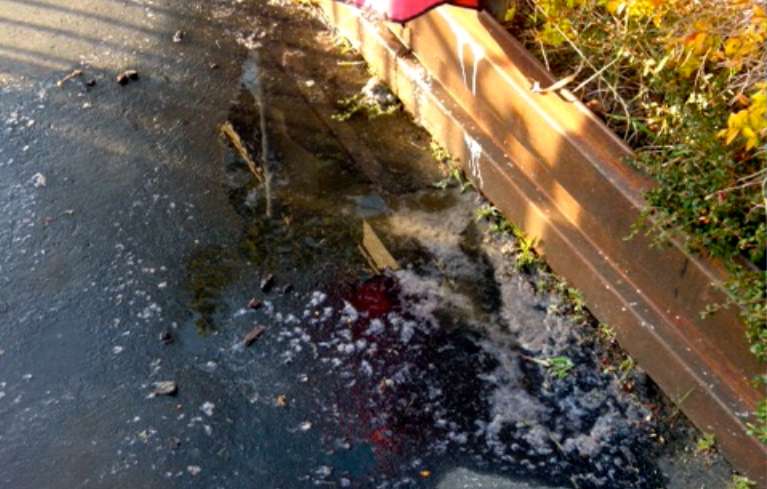
Raw sewage spills into Tahoe at Keys Marina

Sewage from the Fresh Ketch restaurant spills into Lake Tahoe. Photo/Andrew Lubrano

Sewage from the Fresh Ketch restaurant spills onto a walkway before winding up in Lake Tahoe. Photo/Andrew Lubrano

By Kathryn Reed

Sewage from an overflow tank at the Fresh Ketch restaurant flowed into Lake Tahoe for at least 24 hours this weekend.

People at the restaurant first saw the spill Friday night, but Summit Plumbing of South Lake Tahoe said they didn’t receive a call for service until 6:08pm May 3.

Employees with the El Dorado County Environmental Health Department went to the restaurant Saturday afternoon. Dry bleach was used on the surface areas where people frequent.

“There is not much you can do once it is in the water because algae starts taking up the nutrients. Bacteria has only a certain amount of time it can stay viable,” Lauri Kemper with Lahontan Regional Water Quality Control Board told Lake Tahoe News.

The cold temperature of the lake and sunlight would dissipate the bacteria quickly.

However, her agency will be out at the Tahoe Keys Marina on Monday to take samples for bacteria.

It is near impossible to know how much sewage made its way into Lake Tahoe, but several gallons, according to witnesses.

No one from the marina or restaurant was available for comment.

The expanded outdoor seating area behind the restaurant has tables and chairs that sit over the overflow tank for the restaurant. This is where the problem was.

“We walked up and there was a very large puddle and interesting odor. When we got up to it we saw toilet paper, etcetera coming from the old pump-out station,” Andrew Lubrano told Lake Tahoe News.

This was on May 2. He went back out the next morning and saw the problem had not been fixed. He called the 800 number for Lahontan to report the spill.

Kemper said her agency would work with the county to see what it has found, as well as with South Tahoe Public Utility District.

“With all the facilities connected, they may need a larger tank or to maintain the lines better. They could be dumping grease. STPUD has ordinances against dumping grease into their lines,” Kemper said.

This will be the second investigation Lahontan will have involving the Tahoe Keys Marina. The other is the fueling dock. Kemper said she was not at liberty to discuss that case further at this time.


Lights go out on traditional light bulbs

By Josh Levs, CNN

It lit up the world and showed us all our way. It served presidents, princes, and paupers with equal alacrity. It brought the writings of Yeats, Joyce, Rowling, and Trudeau to millions of bed-readers, and helped countless people around the world avoid stubbing their toes in the dark.

And now, it is no more.

Farewell, traditional light bulb. As the clock struck midnight New Year’s Day, the light dimmed on your reign as the mechanical illuminator of human existence.

Rest in peace.

This was no sudden death. The diagnosis came in years ago, in 2007, when President George W. Bush signed a law to replace standard incandescents with more efficient bulbs.

Read the whole story


Ski helmet use not reducing brain injuries

By Kelley McMillan, New York Times

The fact that Michael Schumacher was wearing a helmet when he sustained a life-threatening head injury while skiing in France on Sunday probably did not come as a surprise to experts who have charted the increasing presence of helmets on slopes and halfpipes in recent years. The fact that the helmet did not prevent Schumacher’s injury probably did not surprise them, either.

Those taking lessons at Heavenly must wear a helmet. Photo/LTN file

Those taking lessons at Heavenly must wear a helmet. Photo/LTN file

Schumacher, the most successful Formula One driver in history, sustained a traumatic brain injury when he fell and hit his head on a rock while navigating an off-piste, or ungroomed, area at a resort in Méribel, France. Although he was wearing a helmet, he sustained injuries that have left him fighting for his life in a hospital in Grenoble, France.

Schumacher’s injury also focused attention on an unsettling trend. Although skiers and snowboarders in the United States are wearing helmets more than ever — 70 percent of all participants, nearly triple the number from 2003 — there has been no reduction in the number of snow-sports-related fatalities or brain injuries in the country, according to the National Ski Areas Association.

Read the whole story


South Shore’s first baby of 2014 born Jan. 2

dfdfd

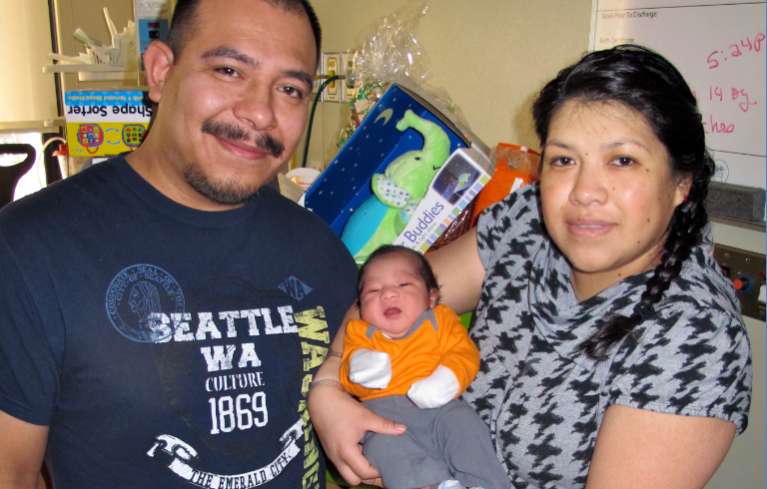
Abraham and Adriana Tapia with son Joshua. Photo/Provided

Barton Memorial Hospital’s first baby of 2014 is the son of a hospital employee.

Joshua Tapia-Hernandez was born Jan. 2 at 5:24pm. He weighed 6 pounds, 14 ounces and was 18-inches long.

Adriana and Abraham Tapia are well versed in the baby department. They arrived Thursday afternoon and within a few hours Joshua arrived. The couple has three other children – ages 11 months, 14 years and 16 years.

Abraham Tapia works for environmental services at the hospital.

To family received a basket of gifts from local businesses and employees valued at more than $1,200.

This first baby of the New Year came sooner than the one in 2013 – she didn’t arrive until Jan. 4.

Barton is seeing a decline in the number of births. In 2013, 289 babies were born at the hospital. This includes four sets of twins. This compares to two years ago when there were 400 births in 2011.

— Lake Tahoe News staff report