Should foot races be booted from the PCT?

By Yitka, Outdoor

You’re hiking through a grove of spruce trees on the Pacific Crest Trail when you hear voices up ahead. Fifty yards away you spot a few pop-up tents and several dozen people hanging out, cheering. They offer you a cold soda and some chips and cookies. They’re hosting a trail running race, they explain — so watch out for runners coming the opposite direction.

Despite its reputation as a Mecca for through-hikers, the PCT is host to a growing number of trail races, which draw between 75 and 400 trail-runners to small sections of the trail during about a dozen weekends between March and October. The atmosphere of these events may not call to mind the type of meditative experience Cheryl Strayed chronicled in her best-selling book, Wild, but does sharing the trail with a few hundred runners on a given day diminish the experience of the individual? That question is at the heart of an emerging controversy over the overarching purpose and meaning of the trail as a public resource.

In October, a trail-race director in Washington named Candice Burt had hoped to use a 50-mile stretch of the trail for a new 200-mile ultramarathon she is organizing for August. She contacted the Pacific Crest Trail Association (PCTA), the nonprofit that partners with the U.S. Forest Service to manage the PCT, and a representative “basically told me [the race] wasn’t going to happen.” Even though the PCTA doesn’t issue race permits, the group’s influence over the permit issuing Forest Service is undisputed.

Read the whole story


Gondola to link Squaw Valley-Alpine Meadows

By Kathryn Reed

After years of talking about linking Squaw Valley and Alpine Meadows, the talk is over and the doing is about to begin.

Plans are expected to be submitted to the U.S. Forest Service and Placer County this summer. It’s too soon to predict construction and completion dates.

“There are currently no plans being contemplated to allow skiing or other non-skiing activities along the lift route or on the White Wolf terrain. The existing ski areas of Squaw Valley Alpine Meadows will not be affected by gondola construction,” Michael Radlick, spokesman for the ski resorts, told Lake Tahoe News.

It will likely take 13½ minutes to travel the two miles in what will be eight-person cars. Up to 1,400 skiers will be able to be transported per hour. It’s anticipated this will be for winter use only.

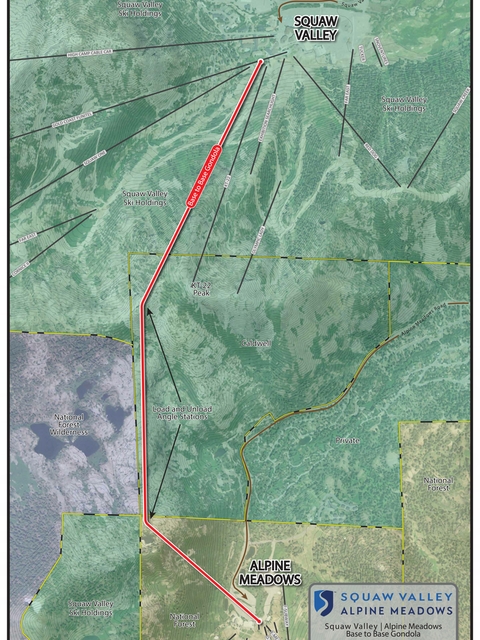
This shows the route of the gondola. Graphic/Provided

This shows the route of the gondola. Graphic/Provided

The gondola will connect the base of the two resorts via a detachable gondola that will go over KT-22 peak. Officials said the goal is to minimize the footprint and scenic impacts to the nearby Granite Chief Wilderness Area.

KSL Capital Partners bought Squaw in November 2010. JMA Ventures bought Alpine in 2007. Squaw Valley Ski Holdings Inc. was created in September 2011 to operate both resorts.

It was announced today that Squaw Valley Ski Holdings reached an agreement with the owner of the private land located between Squaw Valley and Alpine Meadows to build the gondola.

“The base-to-base gondola will offer our guests the ability to easily explore and experience the unique attributes of these two mountains via a brand new aerial connection, while simultaneously reducing vehicle traffic between them,” Andy Wirth, CEO of Squaw Valley Ski Holdings, said in a statement.

Troy Caldwell owns the private land known as White Wolf.


Tahoe roadwork to severely impact drive time

slt roadworkBy Kathryn Reed

Extra time. It’s something motorists will need more of this summer because of all the road related work occurring in the Lake Tahoe Basin this summer.

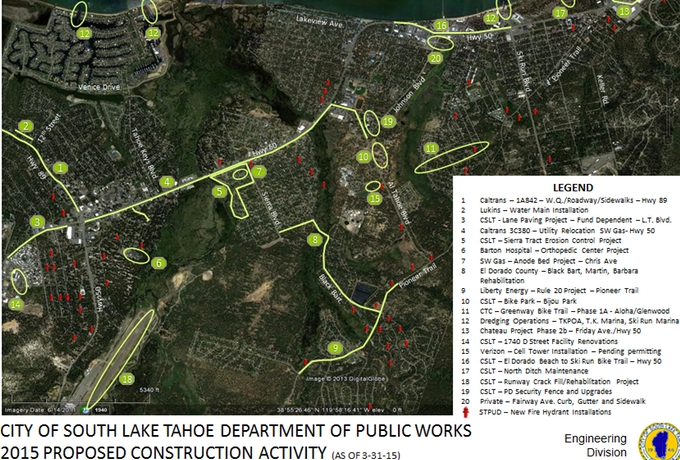
With the weather being unseasonably dry, the work is already beginning. Some of the work is on state highways, other is on municipal streets, bike paths are being put in, utilities changed and water meters installed.

In South Lake Tahoe, nearly all the main thoroughfares will be affected, which means normal shortcuts are not going to save any time.

Southwest Gas starting in mid-May is expected to begin relocating its infrastructure from the Y to Al Tahoe Boulevard. It will then go up Al Tahoe Boulevard to the first entrance for Lake Tahoe Community College. This will take two years.

This needs to be done before Caltrans comes in in 2017. The state will repave that 2-mile stretch, put in curb and gutter. It will essentially look like other areas of town where Caltrans has upgraded the roadway; but it won’t have streetlights. The Caltrans job when it starts will take three years to complete.

Lane closures will be the norm all summer.

The other utility project is Liberty Utilities will be putting its lines underground on Pioneer Trail from Golden Bear to the city limits. This mean lane closures on Pioneer Trail.

Compounding that area will be El Dorado County’s repaving project on Black Bart, Martin and Barbara avenues.

Then the city will be working on Sierra Boulevard most of the summer, with the start date being early May on the $4.5 million project. There will be curbs and gutters on the side that drains into the meadow. This is mostly a water quality project that will tie into the Caltrans project that is coming in 2017.

“In Sierra Tract there are not many places in the road to put big storm drain pipes. That is what is supposed to be put in first before the roads, not last,” Jim Marino, assistant public works director, told Lake Tahoe News. “There will be a lot of detours, road closures and definite impact to that residential area.”

The most noticeable and impactful project may be through Camp Richardson. Caltrans will be working on a $25 million project on Highway 89 from the Y to Cascade Lake. This will take at least two years, if not three.

Trees have already been removed to accommodate 4-foot shoulders in the two-lane area.

The four-lane stretch will see curbs, gutters and sidewalks, much like the middle of South Lake Tahoe.

While at the end of the day the road is designed to look better, the main thing is improved water quality by putting in drainage features so less sediment is reaching Lake Tahoe.

The contractor is set to begin work today. Significant traffic controls are slated to begin next week. Expect up to 20-minute delays just in this area.

Off-peak season work will be around-the-clock from Sunday at 10pm to Friday at 11am. During peak season it will be Sunday at 9pm to Monday at 7am, and Monday-Friday 7pm-7am.

“There is a proposal that our resident engineer has put forth to work during the day during the season in the four-lane section of town where the motels are,” Steve Nelson with Caltrans told Lake Tahoe News. “The hotel owners are pushing for us to work during the day because of the disturbance to their guests. It has not been approved yet.”

The concern about working during the day is that backups would be more severe.

With all of Caltrans’ projects, it may take more than an extra hour to drive from South Lake Tahoe to Tahoe City.

The Vikingsholm to Meeks Bay project should be completed this year. Half of the 7-mile section was finished last year, with the other half on the books for this season.

Meeks Bay to Wilson Road in Tahoma is a separate 2-mile stretch that will take one summer to do.

From Homewood to the Ward Creek area near Sunnyside is another project.

Each Caltrans project could be a 20-minute delay. During peak season the Homewood/Sunnyside and Tahoma jobs will  have around-the-clock work during the week.

Bike paths will be built in the county and city. The Sawmill path should be completed this summer. It will then provide a continuous link from Meyers to South Tahoe High School.

In South Lake Tahoe, the path from the site of the old Alta Mira building, at the end of Lakeview Commons, to Ski Run Boulevard will be repaved. It will be a class 1 trail – meaning off the road, and 10 feet of pavement.

The hope is that work will begin mid-summer, but the city still needs to acquire property and/or right-of-way before going out to bid.

Marino, with the city, said the money – mostly grants – is in hand for what could be a $4 million project for three-quarters of a mile. That figure includes acquisitions and planning, not just building the trail.

Some property owners want compensation and won’t just grant an easement because parking spots will be eliminated.

“Being adjacent to the highway there are grade issues and restructuring; acquisition at several those commercial properties is driving up the costs,” Marino said. Water quality improvements will also be part of the bike path.

Work is also continuing on Highway 28 in Kings Beach.

—–

Notes:

• April 21, 9am South Lake Tahoe City Council meeting will have a presentation about the Sierra Tract project.

• April 23, 6pm at Lake Tahoe Airport there will be a meeting hosted by the city, Caltrans and Southwest Gas to talk about the project along Highway 50.

• Here is Caltrans information.


Calif. heat destroys all previous records

By Tom Randall, Bloomberg

The California heat of the past 12 months is like nothing ever seen in records going back to 1895. The 12 months before that were similarly without precedent. And the 12 months before that? A freakishly hot year, too.

What’s happening in California right now is shattering modern temperature measurements — as well as tree-ring records that stretch back more than 1,000 years. It’s no longer just a record-hot month or a record-hot year that California faces.

It’s a stack of broken records leading to the worst drought that’s ever beset the Golden State.

Read the whole story


Valhalla music fest upgrading facilities

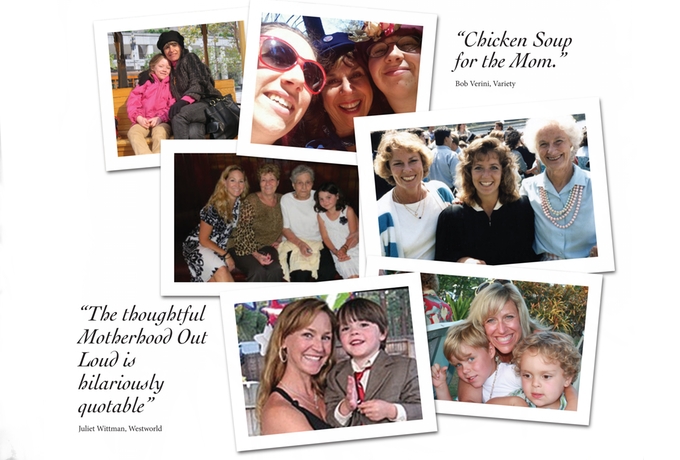
"Motherhood Out Loud" is a special fundraiser in May. Photos/Provided

“Motherhood Out Loud” is a special fundraiser in May. Photos/Provided

By Kathryn Reed

Eclectic. That is the word the director of the Valhalla Art, Theatre and Music Festival is using to describe the 2015 season.

Evangeline Elston is returning for her second year as leader of this nearly 40-year-old South Shore tradition.

As with years past, there will be a mix of offerings for a variety of ages.

This season there is also a concerted effort to raise money to upgrade the aging facilities. Events are mostly staged at the Boathouse Theatre or Grand Hall. These are on U.S. Forest Service property just past Camp Richardson on Highway 89. The buildings have been around for decades. Columns around the Grand Hall should be replaced before the season starts.

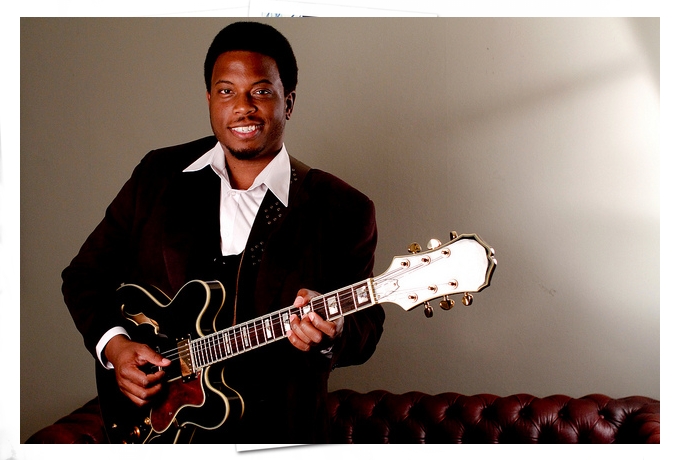
Quinn DeVeaux and the Blue Beat Revue play July 29.

Quinn DeVeaux and the Blue Beat Revue play July 29.

“We have not given enough attention to the boathouse electrical system. We call them lighting ghosts. Sometimes you sit there with the lights dim for theatrical purposes and then every light goes on at once,” Elston told Lake Tahoe News. “It’s quaint, but we’re getting tired of it.”

Upgrading to LED lighting will occur. This will save money and reduce the amount of heat that is generated. Cost estimates are being sought for the desired improvements.

The main fundraiser for this project is a one-night engagement of the play “Motherhood Out Loud”, which sold out a couple years ago. This is the Saturday of Mother’s Day weekend next month.

A smaller fundraiser is April 27 at Lake Tahoe Paint and Sip.

The nonprofit arts group has revamped its website. Tickets can now be bought online, plus there are packages available and ways to donate to the cause.

Scottish fiddler Alasdair Fraser is opening the season on June 17.

“What we are going for this year is eclectic programming,” Elston said.

Her forte is music, so bringing in diverse acts is especially important to Elston. Music will range from jazz to folk to classic to rock. In addition to the midweek shows at the boathouse there will be four free concerts on the Great Lawn on Sundays.

Reaching out to the Hispanic community is a goal of the board that runs the festival. One way to do so is with the Calidanza traditional Mexican folk and contemporary dance troupe on June 27.

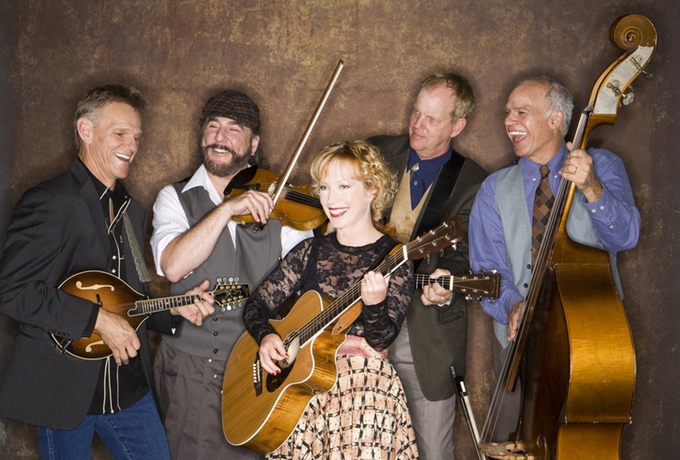
Susie Glaze and the Hilonesome Band are at Valhalla on Aug. 5.

Susie Glaze and the Hilonesome Band play Aug. 5.

While normally the festival puts on two two-week plays, that isn’t the case this year. “On Golden Pond” will have a three-week stint, while the young adult theater’s “Midsummer Nights Dream” will have a four-day run.

“A lot of times what happens with theater is it picks up steam along the way,” Elston said. This is an experiment to see if a three-week show will draw more people in.

Four nights of comedy will return, as will some of the longstanding traditions like the artists in residence program and Great Gatsby Murder Mystery Dinner.

Word Wave in the fall is a major addition to the schedule. Elston described it as a “festival of story rather than a literary festival.”

—–

Notes:

• More information is available online.

• Telephone: 530.541.4975.

• “Motherhood Out Loud” fundraiser is May 9. For tickets, go online.

• April 27 fundraiser at Lake Tahoe Paint and Sip.


Festivals are more than just the music

By Zocalo

This weekend, tens of thousands – maybe even nearly 100,000 – music fans are rocking out at the Coachella Music and Arts Festival in Indio. With multiple stages going full-blast, festival-goers will face difficult decisions such as: Should I catch the soulful roots-rockers Alabama Shakes or the haunting Swedish singer-songwriter Lykke Li? Should I skip the electro-pop duo Odesza to get a good spot to see the superstar hip-hopper Drake?

And music isn’t the only delight on offer: When festival-goers get tired from dancing or being packed cheek-to-jowl in the crowd, they can eat up hot pots by Kogifood truck master Roy Choi, green gazpacho from “Top Chef’s” Marcel Vigneron, or boozy popsicles from the L.A. restaurant the Church Key. There also will be large, brightly colored sculptures to check out.

If Coachella isn’t your bag, there is a festival somewhere in the country for every interest – classical music at the Spoleto USA Festival in Charleston, S.C.; paintings that come to life at the Pageant of the Masters in Laguna Beach; all the Bard you can consume at the Oregon Shakespeare Festival, just to name a few. In advance of the Zócalo/James Irvine Foundation event, “Do Arts and Music Festivals Matter?”, we asked a panel of experts: What does the popularity of music and arts festivals say about the ways Americans are experiencing art now?

Charlene Villaseñor Black: Seeking transcendence

As a scholar whose work has one foot in the historical past and the other in the contemporary world of Chicana/o art and culture, I am struck by how current music and arts festivals embody a universal need for humans to join together, and a universal desire for transcendent experiences, such as those fostered by listening to music or experiencing the arts.

In the past that I study, the Hispanic world, 1492 to 1800, people transcended their ordinary concerns often through their spiritual practices. They were joined together and carried away by the communal practice of the Catholic liturgy, with its attendant rituals, sights, sounds, and smells. They prayed together, chanted together, or joined in worship together before cult images of beloved holy figures. Similar collective experiences were had at large fairs, at markets known as tianguis, or in the main square called the plaza mayor or zócalo, where people witnessed fireworks, royal entries, priestly processions, penitential parades, or the Inquisition’s public punishment of supposed heretics.

In our current digital age, the revival of music and arts festivals, which have more immediate roots in Woodstock and Grateful Dead concerts, testifies to our desire to connect beyond the digital world, to unite in person with other real humans, as well as our need to do something beside pushing a webpage’s “like” button. We long to participate in and create community — to imagine we belong to a community of like-minded souls, as the scholar Benedict Anderson described one of the key processes involved in nation-building.

It is in this imagining, this coming together, that we truly experience our humanity, in dialogue with others, in their physical presence. We are at our most human when we are with other people.

 Charlene Villaseñor Black is a professor in the departments of art history and Chicana/o Studies at UCLA. While much of her research investigates the politics of religious art and global exchange, Villaseñor Black is also actively engaged in the Chicana/o art scene.

Christi Salamone: A more relatable approach to art

The popularity of the La Quinta Arts Festival — which has had the honor of being ranked by the Art Fair Sourcebook as the number one fine art festival in the nation three years running — speaks to the power of communal feasts for the senses.

Do you recall your first art experience? My guess: In or around fourth grade, you and your classmates were ferried off to a local museum. In my case, this was an imposing marbled edifice containing gilded master works where order (no touching!) and decorum (no talking!) ruled the day. Intimidating!

The natural and informal ambiance of outdoor arts festivals sets the tone for a casual and comfortable shared cultural experience. If you can present people with the opportunity to interact and engage directly with an artwork’s creator, the esoteric becomes tangible and compelling. Often heard at our festival: “How did you find the inspiration to create that?” “How long did that take to make?” “Did you study art in school?” These interactions humanize art, make it approachable and relatable. At our festival, we want to make it easy to view, learn about, and ultimately decide to purchase a piece of art.

Then, to be able to share your newfound knowledge and original art treasure with your friends and family while listening to music, watching a dance performance, and enjoying some food and drink — all the more rewarding.

Christi Salamone is executive director of La Quinta Arts Foundation located in La Quinta,  producers of La Quinta Arts Festival held annually in March. Visit www.LQAF.com to learn about the foundation’s programs and offerings.

Larry Wilson: Sensory pleasures

What could be better than being at a festival of like-minded souls, most of them younger than yourself, but still, rocking the music, art, or literature that you like, too?

Well, perhaps the anticipation of such a ‘palooza, or the nostalgic haze after it. Woodstock – for all its significance as a beacon for flower children in 1969 – required much slogging through rain and mud, as photographs attest. When I went to the Coachella Music and Arts Festival last year with my daughter, there was waiting, hiking, and heat — not to mention the questionable artistic value of performance pieces with giant puppets. And the really loud techno – I thought this is what sonar must sound like to whales.

While there’s nothing quite like singing at the top of your lungs with thousands of other people to make you feel like part of a movement, I believe communal pleasures can be found in smaller gatherings as well. At our LitFest Pasadena, we are in our fourth year of talking books with great writers. (This year’s will be on May 9 in Pasadena’s Playhouse District.) The hallowed Vroman’s Bookstore will help host; panels will take place in the Pasadena Playhouse itself as well as in bars and other shops. There’s a book reading every night in every major city, but the power of a literary festival lies in bringing together many sensory pleasures: 350 people last year showed up to listen to food writer Ruth Reichl talk about her first novel “Delicious”, while drinking really good wine from Everson Royce and tasting fantastic guanciale by Robert Simon, whose career was launched by one of Reichl’s reviews. And when that was over, they could simply walk down the street to another session.

It was an easy-to-like afternoon – and it said everything about why Americans go to arts festivals.

Larry Wilson is public editor and columnist for the Pasadena Star-News and a member of the Los Angeles News Group editorial board. On the side, he is the co-founder and artistic director of LitFest Pasadena, and the author of a chapbook, “Twenty Surf Poems and a Song of Despair.”


Reno wants to be Silicon Valley’s back office

By James Nash, Bloomberg

Reno, Nevada, a town that built an economy on quickie divorces, is mapping out the second act of its American life.

Faded casinos are being reborn as condominium towers. Discarded cardboard and wood — even junked cars — are being fashioned into gigantic pieces of art for the annual Burning Man festival in the nearby desert. The mayor governs the city of 233,000 with the aid of a kidney donated by her sister.

Few cities needed a second chance as much as Reno. By January 2011 unemployment was 13.9 percent, and two-thirds of homes sold that year were short sales or foreclosures. The malaise contained the seeds of the rebirth: The newly unemployed snapped up dirt-cheap real estate, spawning an artist-entrepreneur economy.

“A lot of people like us lost their jobs and started asking, ‘Now what the hell am I going to do?,’” said Eric Raydon. His answer was to go into business with two brothers buying and rebuilding properties in a gentrifying area known as Midtown. “We saw opportunities here.”

As downtowns across the U.S. revive, Reno is among cities that have a tougher task to reinvent themselves. Detroit, the largest U.S. city to go bankrupt, is repopulating downtown towers with companies such as Quicken Loans Inc., which moved from the suburbs in 2010. Atlantic City, N.J., battered by Superstorm Sandy and the closure of several of its casinos, wants to diversify beyond gambling and rebrand itself as a university community.

Reno is rebounding. Unemployment dropped by 1.5 percentage points in February from a year earlier, to 7 percent, according to U.S. Labor Department data. Nationally, joblessness fell by 1.2 percentage points in the period, to 5.8 percent. City sales-tax receipts are projected to rise 7.9 percent in 2015 toward the 2008 peak.

Read the whole story


Tahoe Princess extraction causes oil leak

The Tahoe Princess hit a snag April 10 will being pulled out of the water at Tahoe Keys. Photo/Kathryn Reed

The Tahoe Princess hit a snag April 10 will being pulled out of the water at Tahoe Keys. Sand covers the spill area. Photo/Kathryn Reed

By Kathryn Reed

The Tahoe Princess looked like anything but royalty as it sat Friday afternoon on the Tahoe Keys Marina boat ramp.

“A hydraulic line busted when we pulled it,” Vincent Vernaza told Lake Tahoe News.

Vernaza recently purchased the pontoon tour boat from Aramark. His plans are to overhaul the vessel and return it to its glory days. To do so it had to be pulled from the water.

One semi-truck was on either pontoon, dragging the boat onto pipes. With the boat just barely out of the water, one of the hydraulic lines on a tow vehicle busted.

Operations stopped so officials could assess the situation.

El Dorado County environmental health and South Lake Tahoe firefighters responded to the hazardous waste spill. The county inspector ensured all the oil was cleaned up, asking for a receipt once it was disposed of and said a fine could be forthcoming. The California Office of Emergency Services also must be notified.

While a boom was placed about a dozen feet from the water line into the marina, no oil is believed to have made it into Lake Tahoe. An absorbent sand-like substance was placed onto all areas of the parking lot where the oil leaked. It will be secured and hauled to a hazardous waste facility in Nevada.

The goal April 10 was to use the pipes as rollers to move the nearly 60-ton boat to a storage area at the marina. It had to be done this way because trailers don’t exist for this type of watercraft. Vernaza expects to spend the next six months refurbishing the Tahoe Princess. It was beaten up during the winter when it broke from its mooring at Zephyr Cove and was banging against the rocks. A sundeck platform will be added to the top. Vernaza said it would be nicer, newer and modern when the overhaul is done.


Calif. voters may decide pot legalization in ’16

By Philip Ross, International Business Times

Marijuana legalization is once again lighting up California politics. The country’s largest state, along with Arizona and Nevada, has a ballot measure in the works to get legal weed before voters next November.

Advocates of legalization in California say if they can get marijuana to the polls in 2016, a presidential election year that will bring more out more young voters, it’ll pass with flying colors.

When retail marijuana went before California residents in 2010, 54 percent voted against it. Political analysts say that public opinion on pot has since shifted.

“I see a parallel — not a perfect parallel, but a parallel — with marriage equality,” Ben Tulchin, a pollster in San Francisco, told the San Francisco Chronicle Wednesday. “The first battle you may lose, like in California, but you start a conversation and get the dialogue going. … And you eventually see a very big shift.”

Read the whole story


I-580, Hwy. 50 connector to be done in 2017

By Anne Knowles

CARSON CITY— The Carson City Freeway project to connect Interstate 580 to Highway 50, creating a nearly seamless drive from Reno-Tahoe International Airport to the South Shore, is entering its final phase this summer.

The Nevada Department of Transportation is expected to award the contract to Road and Highway Builders, the Spark-based company that submitted the low bid of $42 million, at NDOT’s May 11 board meeting.

“We have the federal funds now so you can expect to see the award in two to three weeks and then see equipment here in two to three months,” said Reid Kaiser, NDOT’s assistant director of operations, at an April 9 event here dubbed Stand Up 4 Transportation.

It was designed to draw attention to the need for long-term federal financing of transportation. Current federal transportation funding ends next month.

The freeway project will pave the final four or so miles between Fairview Drive in Carson City, where I-580 currently ends, to Highway 50 where it intersects with Highway 395 at Spooner junction.

The project is scheduled to be completed in 2017.

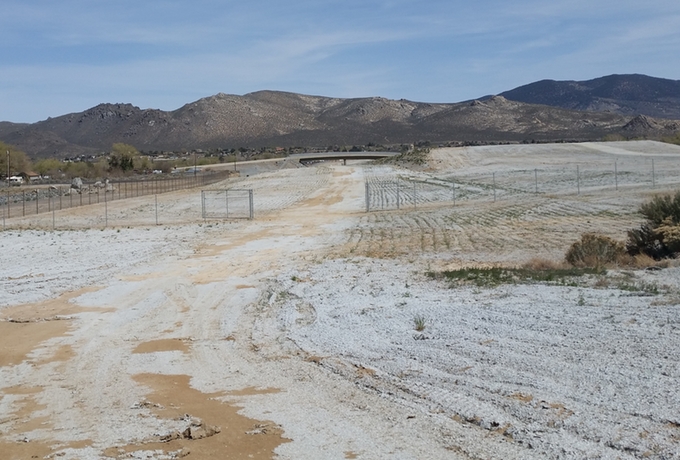
The project will pave a 4-mile connection between Interstate 580, which currently ends at Fairview Drive in Carson City, and U.S. 50 at Spooner junction.

The project will connect Interstate 580, which currently ends at Fairview Drive in Carson City, and Highway 50 at Spooner junction. Photo/Anne Knowles

“Accessibility is an important aspect to our tourist economy,” Carl Hasty, district manager of Tahoe Transportation District, told Lake Tahoe News. “South Shore accessibility is important.”

Hasty said he didn’t have data on how the extension would reduce travel time between the Reno airport and South Lake Tahoe. “But (580) saves me 10 to 15 minutes now and I anticipate the same savings,” with the new Highway 50 connection, Hasty said.

Hasty also didn’t know if the convenience would encourage more visitors to travel to the South Shore rather than up Mt. Rose Highway or Interstate 80 to the North Shore of Lake Tahoe.

“I think it’s up to South Tahoe to redevelop itself or keep losing to the north, with what’s being done in Alpine Meadows, Squaw, Northstar, Truckee,” to attract travelers, Hasty said.

The Carson City Freeway was initially planned to be an interchange with a bridge that would allow drivers to connect to Highway 50 by driving over Highway 395 without stopping. But that was deemed too costly and the connection now is an at-grade intersection and the traffic light there will be turned into a four-way light.

NDOT, however, says the project is engineered so that a bridge elevating the traffic can be added later if funding becomes available. At the transportation event Thursday, officials from NDOT, TTD, Carson City Regional Transportation Commission and Regional Transportation Commission of Washoe County said the region was facing a serious drop in transportation funding if Congress doesn’t act to pass long-term legislation.

The Nevada counties’ portion of the Lake Tahoe area, according to NDOT, has an estimated need of $708 million in transportation funding through 2035. Current revenue to fund that is estimated to be $116 million, leaving a possible shortfall of $592 million. The projects within that budget include the Stateline to Stateline bikeway, Highway 50 South Shore community revitalization and the cross-lake ferry.