CalPERS eyes higher contribution rates

By Dale Kasler, Sacramento Bee

CalPERS is preparing more pension rate hikes, and they could cost government agencies billions of dollars.

With consultants predicting long-term declines in investment earnings, the big California pension fund is considering substantially higher contribution rates for the state and the thousands of municipalities and school districts that rely on CalPERS to serve their retirees. Workers could get hit with higher contributions, too, although that would depend on contract negotiations.

A decision isn’t likely until February, but CalPERS’ deliberations are already causing anguish to employers, employees and the pension fund itself. The move will surely cause more budget strain for government agencies, particularly at the local level, even though the higher rates are likely to be phased in over a number of years.

 Read the whole story


Few consequences for government hiding records

By Miranda S. Spivack, Reveal

For more than three decades, Nick Maravell and his family farmed on a 20-acre plot in suburban Maryland, tucked between the Potomac River and megamansions in Potomac, a tony suburb that is home to powerful lobbyists, government contractors and other wealthy families.

Nick’s Organic Farm, a relaxed place where customers would stop by to pick up some vegetables or simply drop in for a chat, was a tenant on land owned by the county public school system. But one day in 2011, Maravell got some bad news. Montgomery County’s top elected official and his aides had been negotiating in secret to get the school board to kick out Maravell’s farm and rent the site to a private soccer club.

“It caught everybody by surprise,” said Curt Uhre, a neighbor.

Public contracts shrouded in secrecy

Residents who cherished the farm quickly rallied to Maravell’s side. Worried about traffic and the potential loss of open space, they began researching the county’s proposal to convert the farm to soccer fields.

During the legal fight, they also began learning about Maryland’s open records law. Used frequently by journalists and business interests, the state’s public records law allowed them to seek government documents – memos, officials’ calendars and other items – that might offer clues to how the deal was done or hints about who had been speaking with whom, when the plans were hatched and why.

But when residents asked for those documents, they hit a wall: Montgomery County government officials said they could not find many emails, letters and calendars related to their search.

This seemed preposterous, so the residents took the only route available to them – they went to court. A skeptical county judge urged the government to look anew for missing documents. Officials soon managed to find most of what the residents had sought.

The details weren’t pretty.

Documents showed that County Executive Isiah Leggett, a Democrat, less than a year from his next election, had been pushing behind closed doors for the private soccer club to take over the site and attempting to pressure a reluctant school board, even though in theory he had no power over school system decisions.

The Maryland Open Meetings Compliance Board also found that the school board had violated the state’s open meetings law by discussing the lease deal in closed session.

Patrick Lacefield, Leggett’s spokesman, sees the dispute differently.

“The issue was not transparency,” Lacefield wrote in an email. “That was a ruse to advance the substance of those opposed to the project – that they opposed using public land located near their exclusive neighborhood so that kids, including disadvantaged kids, could have a place to play soccer.”

The battle over the fate of the farm spanned two years and cost the residents at least $100,000 in legal fees, Uhre said. Was the county’s failure to provide key information to the public due to lack of knowledge of the state’s open meetings law? Sloppy record keeping? Deliberate obfuscation? It was impossible to tell.

This expensive, drawn-out dispute was over a single plot of land and some soccer fields. But the story of Nick’s Organic Farm is far from unique. The same thing is happening across the United States.

While much media attention is focused on federal government secrecy, secretive practices of state and local governments often get less scrutiny but frequently have a more immediate impact on communities.

Details of emergency management plans that would inform residents how their government will operate in a hurricane, earthquake or other catastrophic event can be hidden in the name of national security. Information about an unplanned shutdown at the nuclear plant up the road can be delayed or kept secret. Should residents be able to learn who has guns in their neighborhood, information that most states have in recent years decided to make off-limits to the public? Should police videos be kept out of the public’s hands in the name of privacy?

There are no definitive national studies of the scope of state and local secrecy, but the studies, surveys and anecdotal evidence that do exist strongly suggest state and local government secrecy has increased in the past 10 years. While there are many reasons for this, it has coincided with a decline in local news coverage, technological advances that governments haven’t been able to afford and an increase in outsourcing of government functions to private entities.

Whatever the causes, lack of transparency by state and local governments can discourage civic discourse and grass-roots engagement with government, as a frustrated public often simply gives up after struggling but failing to find out what is going on close to home.

Robert J. Freeman, executive director of New York’s publicly funded Committee on Open Government, one of few such agencies in the country, says U.S. jurisdictions have fallen behind countries such as Estonia, Mexico and Peru in sharing records and keeping public meetings public.

“You need a government champion who works independently to make the laws work,” he said. But few governments in the U.S. have them. In many states, the only way to pry loose information is to file a lawsuit.

The rise in government secrecy carries a big cost. When governments have to defend lawsuits or other proceedings challenging their practices, the public bears the expense. When governments fail to post documents on a website and instead respond to repeated queries from the public by photocopying the same material again and again, there is waste. Perhaps most significantly, lack of transparency poses a major risk to good government: When the public is shut out and information is hard to get, governments can mask poor practices, corruption, waste, fraud and abuse.

State and local secrecy takes many forms. Some communities fail to provide budget information that is clear and easy to understand, or they list contracts but don’t explain why they were awarded. Others try to charge excessive fees for information – sometimes millions of dollars, as the Massachusetts State Police did to a lawyer seeking information about drunken driving tests – hire outside companies to supply data at extraordinary prices or evade open meetings laws by creating small subcommittees that they claim are exempt from the statutes.

Many state and local governments cite national security to withhold information. This means that something relatively simple, such as finding out who is getting a contract to clean the offices at a local nuclear power plant, can become a ridiculously expensive legal battle.

When members of the public seek information – such as the residents who wanted to find out why Nick’s Organic Farm was being evicted – they often bump into impenetrable walls. Information laws in many states are weak, enforcement by governments is limited and appeals are difficult.

Many states have no meaningful internal appeal system, often forcing anyone who wants to appeal to head to the courthouse, which for many people is a fight that becomes out of their financial reach. Among the exceptions are Connecticut, Florida and New York where someone denied information may have an opportunity to appeal administratively and, in many instances, without cost. Maryland recently changed its laws to include a state ombudsman for public information who is supposed to help those seeking government information, without charging fees to do so.

Courts sometimes have enabled state and local secrecy. The U.S. Supreme Court said in 2013 that the Virginia government – and other states, if they choose to – had to provide public information only to state residents. That left thousands of businesses around the world – large and small – scrambling to stay informed about state regulations, contracts and other necessities. And reporters from news organizations outside the state are forced to find local reporters to file requests for information vital to their investigations.

The events of 9/11 caused new retrenchment on openness. The League of Women Voters in 2006 found that there was a “growing difficulty” in gaining access to public information, much of it justified as “critical to protect homeland security.” And the National Freedom of Information Coalition, in more recent surveys, has found “a greater inclination among government officials for gaming the system than complying with existing disclosure and accountability laws.”

There are many examples of what the coalition believes is gaming the system.

As he was poised to launch his campaign for president in 2015, Wisconsin Gov. Scott Walker hatched a plan with Republican colleagues to drastically reduce public access to state government documents and emails in a state with a long history of government transparency. Initially Walker denied that the idea originated in his administration, but emails obtained through open records requests by news organizations in the state revealed that Walker had misled the public about his administration’s key role.

Massachusetts State Police demanded $2.7 million to retrieve documents when a lawyer asked for data on breath alcohol tests. In Tennessee, a state board created to assess state transparency regulations held meetings in secret. In Maryland, the same county government that thwarted residents in the Nick’s Organic Farm case asked a resident to pay more than $58,000 for information about a public library project.

As for Maravell, he eventually moved out, having decided the future in Potomac was too uncertain. In late 2015, Montgomery County officials contemplated a new proposal for the site – a solar farm on the fields Maravell once cultivated. But the neighbors geared up again, ready to do battle. This time, it took the county only a few months to drop its plans.

Digital era introduces new problems

Technological advances have been a mixed bag for state and local government transparency. Megan Rhyne, who leads the Virginia Coalition for Open Government, said the digital era has ushered in new problems for governments that do try to make information more accessible.

“Electronic records have not made things easier,” she said. “Local and state officials are drowning. There are copies floating all over the place, which on the one hand should make them easier to find, but on the other hand, it is harder, because they don’t know who has it. They are trying new solutions for email management and trying to keep track of emails while not jamming their servers. Everyone thought that the digital age would make things easier, but it really hasn’t.”

In New Jersey, Rutgers University labor studies professor Janice Fine sought state data about a range of government functions, only to find that it existed but wasn’t in any useful form.

“It was impossible to disaggregate data,” she said, making it impossible to look for trends or patterns of spending when she was investigating contracting and labor practices.

Many governments are struggling to capitalize on the digital age. Overwhelmed by data, they cannot centralize information, ensure that it is understandable and struggle to make it public even when they want to. Often, agencies in the same government have purchased different software and hardware and are unable to produce datasets or lists of contracts that include the entire government.

Many governments, especially smaller municipalities or townships, don’t have enough bandwidth to allow them to post data and documents. And if they are able to post information, it can be fairly useless – a list of numbers or dollar values with little to no explanation of what they represent.

“It’s not always intentional,” Fine said.

That often leaves government officials erring on the side of withholding information.

“When in doubt, leave it out,” is the way that Thomas Susman, an American Bar Association official, describes this tendency. Susman, as a top aide to then-Sen. Ted Kennedy, D-Mass., helped shepherd expansion of the federal Freedom of Information Act through Congress when it was amended in 1974.

Tight budgets often are used as a rationale for limiting state and local transparency. In California – where there is a state constitutional right to public access, but also a constitutional right to privacy – the Assembly in 2013 pushed to exempt local governments from disclosure rules because of tight budgets. A year later, voters approved a ballot measure that required local governments to comply with open records regulations.

As public education has become privatized with the rise of charter schools, information about the publicly funded schools has become difficult to obtain, said Lisa Graves, a former Justice Department official who leads a Wisconsin-based nonprofit looking at charters.

In Arizona, for instance, the state has set up nongovernmental nonprofit entities to oversee the charters, immediately putting off-limits for at least a year any information about staffing, salaries, contracts and other information that public school systems usually are required to disclose, she said. (Some of the information is available a year later in the nonprofits’ IRS Form 990 filings.)

Little enforcement of open records laws

Only a handful of states in the U.S. have any reliable system for enforcing their own open meetings and open records laws. Most rely on private parties to press for enforcement.

Too often, it is the community activist whose interest in government information is sparked by a local fight – over development, schools, traffic or crime – who bears the burden and cost of trying to enforce those laws.

Data from the John S. and James L. Knight Foundation show journalists’ efforts to battle these issues are diminishing and it often is residents who are engaging in the fights. Local and state enforcement is complaint-driven: Attorneys general aren’t trying to enforce these laws, only responding to complaints.

The University System of Maryland Board of Regents, which got into trouble in 2013 for holding illegal closed-door sessions on a proposed move of its flagship campus to the Big Ten athletic conference and offered many mea culpas, apparently isn’t eager to change its ways. Earlier this year, the board tried to get the state General Assembly to make it easier to meet in secret, a move that was ignored by major news organizations but chronicled by the campus’ student newspaper. The proposed legislation died in Annapolis.

In Texas, several city councils conducted business by email, claiming they had privacy protections under the First Amendment. The U.S. Court of Appeals for the 5th Circuit in 2012 upheld a local statute that criminalized violations of the open meetings law, saying that “there is reason to think that the First Amendment does not protect the right of government officials to deliberate in private, given that it sometimes requires them to open their proceedings to the public.”

Lawmakers had complained that it was impinging on their First Amendment rights to speak freely (and in private).

In San Jose, resident Ted Smith filed a public records request seeking information about a downtown development project partly funded with public money. The city turned down his request for official emails because the mayor and council members had sent them on their personal accounts. Smith sued, and the case is now before the California Supreme Court. In San Diego, Donna Frye, a former city council member, is working to win support for a ballot measure that would make city officials’ texts, emails and other correspondence on private phones, tablets and other personal devices public information.

Oklahoma’s public university regents set up small subcommittees that don’t equal a quorum – allowing them to meet behind closed doors. Officials at the University of Kentucky, who are balking at releasing information about a completed sexual assault investigation implicating a now-former faculty member, in August announced that they were suing the university’s student newspaper to try to prevent disclosure. The state attorney general had ordered disclosure of most documents, and the university can appeal that ruling only by going to court against the student newspaper.

In Oklahoma, journalism professor Joey Senat has urged local prosecutors to do more to file complaints against government wrongdoers, but he says that too often, their fear of offending fellow government agencies makes them reluctant to move on a violation that is only a misdemeanor.

“We have asked the DA to press charges, but they rarely do,” he said. As for public universities, Senat said the situation in Oklahoma is far from unique. “Public universities across the country don’t seem to understand what that means to be a public university,” he said.

Police body cameras: Whose footage is it?

One more critical issue is bedeviling open records advocates and the government.

Across the country, thousands of police officers have begun to wear body cameras to record their actions – but in many communities, there are fierce debates about whether the video footage should be public and who actually controls the footage. In most cases, Axon, a Taser company, has control of the footage. Axon body cameras are used by many major city police departments, including Cleveland; Fort Worth, Texas; Los Angeles and Philadelphia.

In North Carolina, the governor in July signed a law excluding body camera footage from the public record. New Hampshire, Minnesota and Louisiana also recently passed laws restricting public access to such footage. At least 19 states and the District of Columbia have enacted laws limiting access to law enforcement video footage.

Sarah Lustbader, a former Bronx, N.Y., public defender who is examining police policies about who gets access to body and dashboard camera footage, said the cameras have morphed into a tool for police protection instead of a means for the public to get a clearer understanding of incidents.

“We were told these body cameras would help prevent some of the police abuses we have seen over and over again,” she said. “Instead, the federal government, which has poured a lot of money into body cameras, has put (control of) the programs into the hands of the party they were supposed to be a check on.”

“I know of no jurisdictions where police do not have custody and control of their footage,” she said. “Body camera footage has become an evidence tool for police, not a tool for police accountability.”

Dan Bevarly, interim executive director of the National Freedom of Information Coalition at the University of Missouri, said residents increasingly must help fill in the gaps. But he said it’s unclear whether many communities can engage in efforts such as those in Potomac, Maryland, where a sophisticated and expensive legal battle helped give organic farmer Nick Maravell a reprieve.

“As the media disappears from public meetings, will the citizens step up?” Bevarly asked.



SLT going after vacation home rental violators

By Kathryn Reed

Enforcement, or the lack thereof, is a major complaint of South Lake Tahoe’s vacation home rental ordinance.

Temporary relief is on the way. The City Council last week approved funding for a private security firm to work exclusively on VHR issues.

The $30,800 for the 90-day contract is coming from the Undesignated Vacation Home Rental Fund. This pot of money is accumulated from permit fees.

The security force is expected to start working in mid-December.

“For 80 hours per week, these private security personnel will serve to function as a preventive presence and eyes-ears for the police department,” the Nov. 15 staff report says.

Police Chief Brian Uhler, whose department is responsible for enforcement, told Lake Tahoe News with nearly 385 permits recently expiring, he’s worried people may start operating under the radar.

The city in fall 2015 enacted a beefed-up VHR ordinance in which homeowners must have their rental up to code. Hundreds of people got permits just before the new rules went into place. However, upon renewal this year they would have had to have gone through the new inspection process.

What city officials don’t know is why those nearly 400 homeowners did not seek to renew their permit.

The added enforcement, especially during the peak winter rental period, will allow crews to crack down on illegal rentals as well as legitimate ones violating aspects of the ordinance, like parking, noise and garbage.

The security force will work 80 hours a week. The funding also includes a full time temporary community service officer.

Their specific duties include:

·      Patrolling assigned areas and addresses;

·      Checking on expired VHRs by address to see if there appears to be illegal renting going on;

·      Looking for noise and trash violations;

·      Alerting CSO to issues;

·      Serving as backup to CSO as needed.

These people are in addition to the community service officer who is working 40 hours a week. The added security will also mean the ability to handle more complaints, especially during peak holiday times.

Uhler said once the contract is up the department will assess how many complaints there were, the impact the security force had and whether retaining them in summer might be appropriate.


Vegas venues would add oomph to Tahoe Olympic bid

By Sean Whales, Las Vegas Review-Journal

The Lake Tahoe area still dreams of hosting its second Winter Olympics. And the International Olympic Committee’s new push for regional bids could give Las Vegas an important role in any Northern Nevada proposal to host the sports showcase.

“We believe that Lake Tahoe will be the site of the next Winter Olympics in the U.S.,” said former Nevada Lt. Gov. Brian Krolicki, who has been leading the effort to bring the games to the state for more than a decade as chairman of the Reno Tahoe Winter Games Coalition. “It is our goal and our hope. But it is complicated.”

Jon Killoran, chief executive officer for the coalition, said the IOC issued a policy called Agenda 2020, which urges bidding cities to minimize infrastructure costs through regional efforts.

Nevada’s opportunity to host a Winter Games — perhaps as soon as 2026 — has been enhanced by the opening of T-Mobile Arena in Las Vegas, soon to be home of the city’s new National Hockey League franchise, as well a potential new 65,000-seat domed stadium in the city.

Read the whole story


AAA: Millions expected to travel this week

By Associated Press

The slowly improving economy could boost travel over the Thanksgiving holiday to levels not seen in nine years.

AAA forecasts that 48.7 million Americans will travel, the busiest Thanksgiving period on U.S. roads and skies since 2007, the year before the global financial crisis plunged the U.S. economy into a deep recession.

The auto club AAA said that it expects 1 million more Americans to venture at least 50 miles from home, a 1.9 percent increase over last year.

The forecast was assembled at research firm IHS, which said it considered jobs, household net worth, the stock market, prices for gasoline and airline tickets, and other factors.

The researchers did their number crunching in mid-October, about three weeks before the surprising outcome in the presidential election.

The AAA forecast predicts that from Wednesday through Sunday about 43.5 million Americans will take long car trips, 1.9 percent more than last year. AAA expects 3.7 million will travel by air, a 1.6 percent increase. Bus and train trips will grow less than 1 percent, the auto group said.

An airline-industry trade group is a bit more bullish. Airlines for America predicts that air travel will rise 2.5 percent over last year’s holiday, although the group considers Thanksgiving travel spanning a 12-day period that began Nov. 18.

Planes are likely to be packed over the holiday, and bad weather or airline computer malfunctions can slow things to a crawl. If the unexpected happens, be ready to react quickly.


Heavenly going all out with Thanksgiving feast

By Kathryn Reed

One ingredient not on most Thanksgiving menus is fresh powder. With Mother Nature looking like she will be delivering an ample serving of the white stuff this week to Lake Tahoe ski resorts, it might be a tough choice for some people – powder day or being in the kitchen all day.

The chefs at Heavenly Mountain Resort have 2,200 pounds of turkey ready to cook on Thursday so you don’t have to.

This is the first year the resort will prepare a traditional Thanksgiving dinner for guests. In the past the meal was reserved for employees working that day. (They will still get to eat for free this Thanksgiving.)

Chef Pete Brinkerhoff is responsible for Heavenly's Thanksgiving menu. Photo/Heavenly Mountain Resort

Chef Pete Brinckerhoff is responsible for Heavenly’s Thanksgiving menu. Photo/Heavenly Mountain Resort

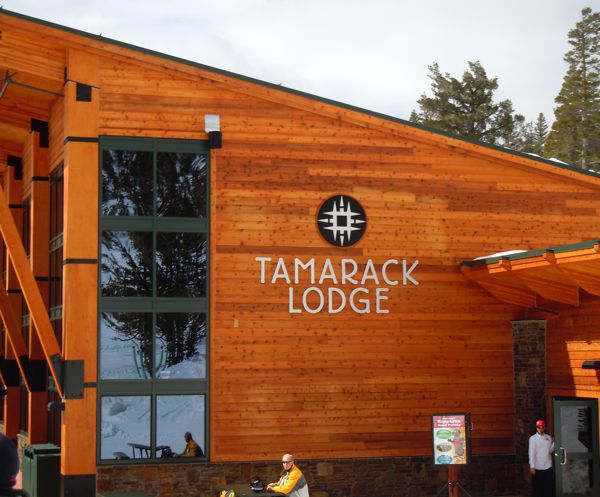
Pete Brinckerhoff is new to the Heavenly team, coming from the Riva Grill-Caliente group in the basin. He will be the one with the chef’s hat on at Tamarack Lodge. Claude Goode is the executive chef who roams between the various food outlets on the mountain. Steve Turner is the bigwig overseeing all of the food and beverage operations at the resort.

“We have listened to our guests and were adding more for the restrictive diets,” Turner told Lake Tahoe News. “On the Thanksgiving holiday we get a great crowd from the Bay Area, scenic riders, different ethnic groups. And they want more vegetarian options.”

The menu for Thanksgiving at Heavenly: •Slow roasted Tom turkey • Mashed potatoes (lacto vegetarian) • Turkey gravy • Sautéed green beans (vegan) • Cornbread stuffing with sun dried cranberries and candied Walnuts (vegan, contains wheat) • Sweet potato pie with Oreo crust and marshmallow topping (lacto vegetarian) • Cranberry dressing (vegan) • Pumpkin Pie with whipped cream (lacto vegetarian) • Vegetarian option – Heavenly Crispy Thanksgiving Tofu

The Thanksgiving menu at Heavenly:
• Slow roasted Tom turkey
• Mashed potatoes (lacto vegetarian)
• Turkey gravy
• Sautéed green beans (vegan)
• Cornbread stuffing with sun dried cranberries and candied Walnuts (vegan, contains wheat)
• Sweet potato pie with Oreo crust and marshmallow topping (lacto vegetarian)
• Cranberry dressing (vegan)
• Pumpkin Pie with whipped cream (lacto vegetarian)
• Vegetarian option – Heavenly Crispy Thanksgiving Tofu

While burgers are the No. 1 seller no matter the day, the culinary team has done its research to know how much food to have for the holiday. They factor in weather, hotels share occupancy numbers, and historical numbers all play a part in knowing just how much of each side to prepare.

The dinner will be served starting at 10:30am at all of the lodges that are open. For sure this means Tamarack. East Peak is a possibility. With the resort not opening until Wednesday, not all of the decisions have been finalized — including the cost of this special meal.

Mixologists are coming up with specialty drinks for the occasion — maybe something with Wild Turkey.

“Chef Claud knows one of my pet peeves is to not run out of food,” Turner said.

This means there’s a good chance that those who don’t make it to Heavenly on Thanksgiving could get some leftovers the next day.

“I love the turkey sandwich the next day,” Brinckerhoff told Lake Tahoe News. But he added, “The way we are cooking there probably won’t be a lot of leftovers.”

This is because the 25-pound turkeys are being cut apart and cooked separately instead of as a whole bird. This dramatically speeds up the cooking time, while also allowing for food to be coming out of the oven more frequently instead of hours apart. Plus, it’s a way to cut down on having a lot of extras.

“With the Tamarack Lodge we have the latest, greatest equipment. We have chill blasters so it would be like fresh again the next day. It’s not held in a warmer,” Goode said.

At Tamarack there is also a CVap oven. It’s cooking with steam, which helps food stay moister.

East Peak’s kitchen isn’t conducive to preparing the whole Thanksgiving meal so it will be transported there from Tamarack.

Brinckerhoff has been tasked with coming up with the menu — which is fairly traditional.

“One of the unique sides I’ve done in the past is a family recipe. My grandmother used to make a sweet potato casserole with marshmallows on top. It was one of my favorites,” Brinckerhoff said. “I did a twist on that by putting in an Oreo crust, then the sweet potato, and marshmallow on top.”

Brinckerhoff is sharing the recipe with Lake Tahoe News readers:

Brinckerhoff Family’s Sweet Potato Pie

5 pounds sweet potatoes

1 pound butter

3 C Oreo crumbles

1 bag marshmallows

1 tsp cinnamon

½ tsp nutmeg

The crust

Soften a quarter pound of the butter to 80 degrees. Place the butter and cookie crumbs in a mixing bowl and mix until the cookie crumbs holds together when compressed.

Place the cookie crust evenly in the bottom of a 9 x 9 baking dish. Make sure the crust is spread evenly.

Sweet Potato Pie

Peel the sweet potatoes and cut them into large chunks. Place the sweet potatoes in a large pot of water. Put the pot over high heat and cook until soft.

Remove the potatoes from the water and place in a large mixing bowl. Add the cinnamon, nutmeg and the rest of the butter. Mash the sweet potatoes until smooth, do not over whip.

Place the mashed sweet potatoes on top of the cookie crust. Spread the potato evenly, then top with the marshmallows

Bake the sweet potato pie until the marshmallows are golden brown.


Emerald Fire proves effectiveness of forest thinning

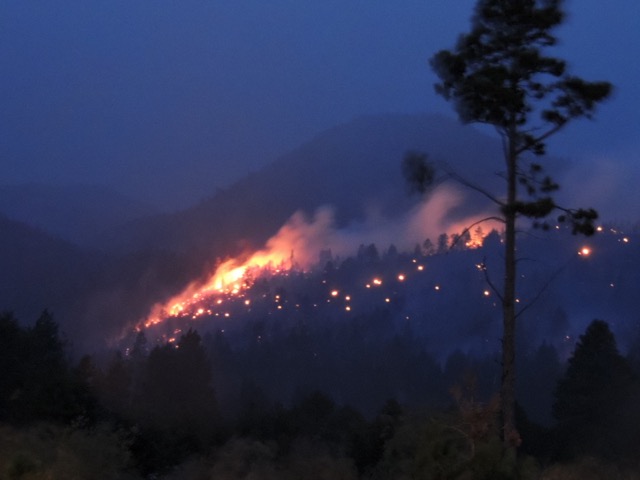
Flames from the Emerald Fire are visible on Oct. 14. Photo/Taylor Flynn/Tahoe Mountain News

Flames from the Emerald Fire are visible on Oct. 14. Photo/Taylor Flynn/Tahoe Mountain News

By Benjamin Spillman, Reno Gazette-Journal

It doesn’t take a wildland fire professional to see how fuel reduction can protect forests and communities.

It just takes a field trip to the site of the Emerald Fire on the South Shore.

Despite burning at the same time and under similar conditions to the disastrous Little Valley Fire, the Emerald Fire was much less destructive.

The Little Valley fire destroyed 23 homes and charred 2,300 acres while doing tens of millions of dollars in damage in western Washoe County. The Emerald Fire was limited to a burn area of 176 acres and was contained within three days.

Although no two fires are the same, a recent walk-through of the Emerald Fire shows how fuel reduction projects by the U.S. Forest Service and others helped minimize damage from the fire and slowed its rate of spread.

Read the whole story


Study: Poverty in U.S. ‘deeply disturbing’

By Karen Kaplan, Los Angeles Times

The United States is one of the richest countries in the world, but it would look dramatically different if its 50 states were organized according to income instead of geography.

If that were the case, residents of the poorest state in the union would have a median household income that’s just above the federal poverty line for a family of four. They would also expect to live shorter lives than people in more than half of the world’s countries.

It’s not a pretty picture, according to the researchers who carried out this thought experiment.

“In essence, there are several developing countries hidden within the borders of the United States — regions defined, in this case, by poverty,” they wrote in a study published Thursday in the American Journal of Public Health. “The ‘state’ of poverty in this country is dramatic and deeply disturbing.”

Read the whole story


Osmosis: A sanctuary for the mind and body

Relaxation comes in many forms at Osmosis in Sonoma County.

Relaxation comes in many forms at Osmosis in Sonoma County.

By Susan Wood

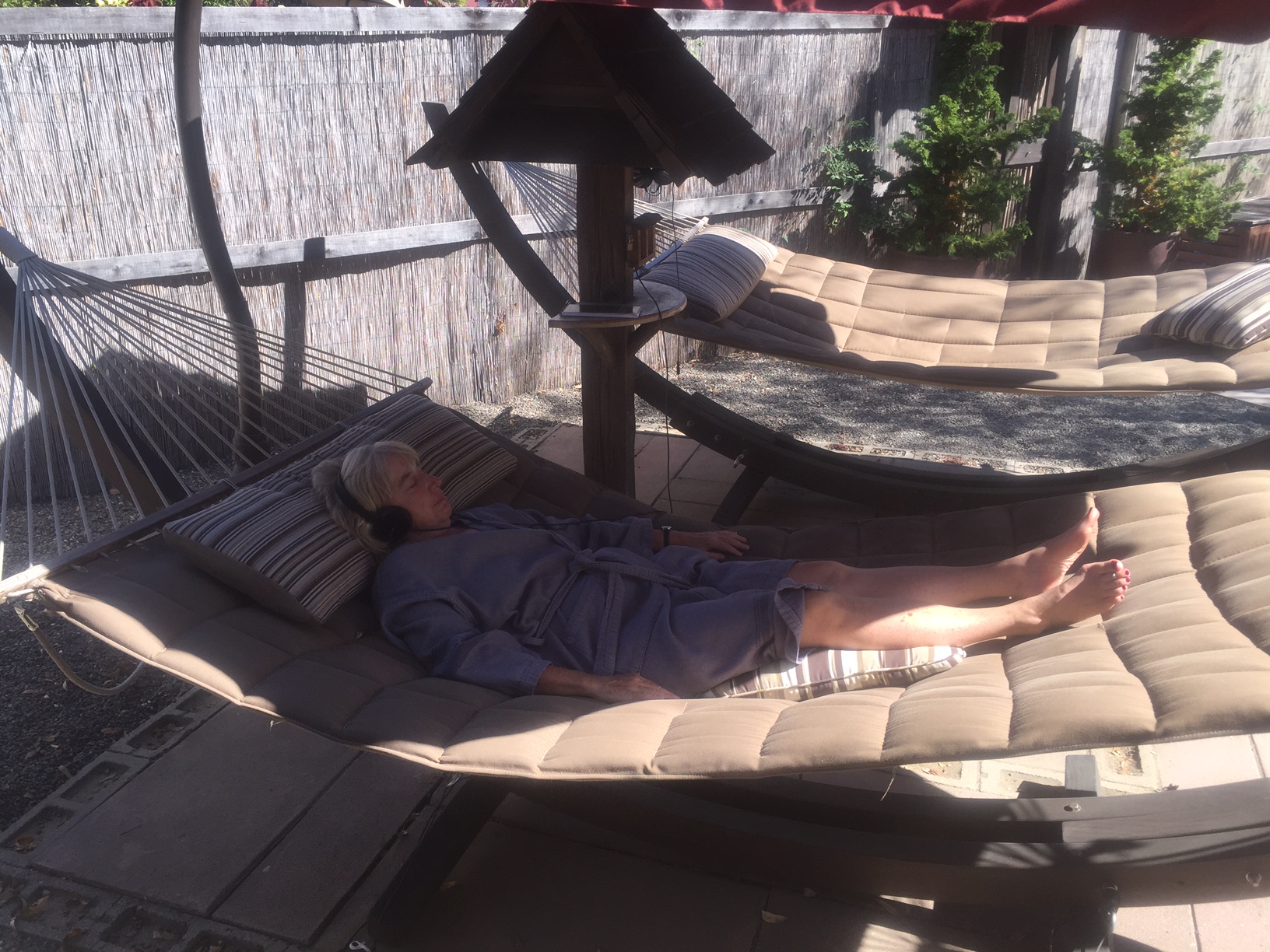
FREESTONE – Like a child within, tears rolled down my face as I listened to the sentimental music through headphones while lying wrapped in a robe resting in a hammock enveloped by nature.

I was smitten with surprise and awe that I could be so moved by my setting – and in one single chunk of my day, the nastiness of a tumultuous world left me. It was only replaced by beauty, goodness and peace.

Indeed, there is something naturally spiritual about this Sonoma County haven called Osmosis.

The Field of Hammocks, a fairly new amenity at the Japanese-inspired day sanctuary, granted me the opportunity of something I rarely do – to just be.

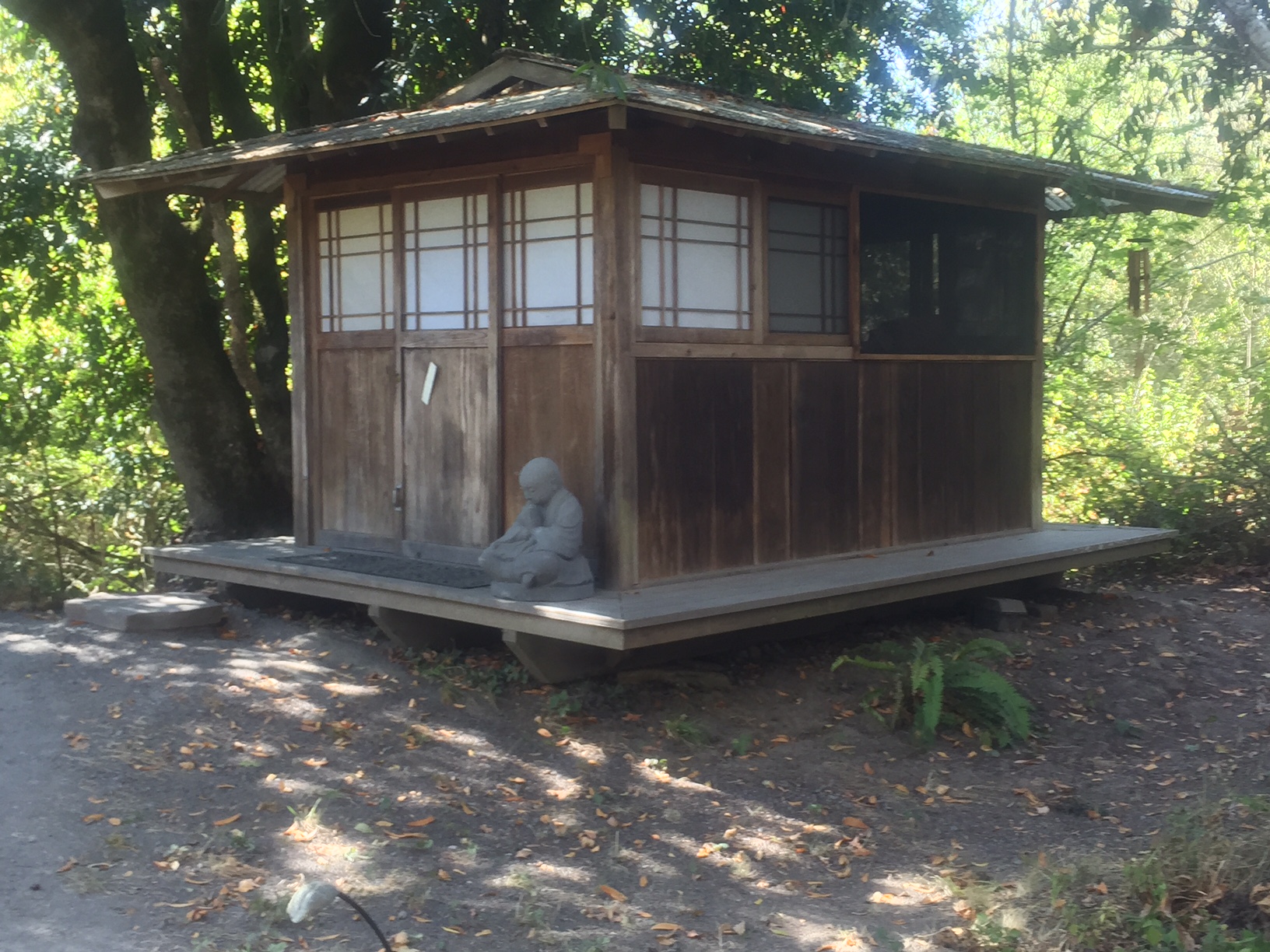
It helped to immerse myself in a state of relaxation after enjoying a massage. On the 5-acre grounds, a guest may opt for one of a number of different types of massages in either the main building or in the pagodas. I chose the latter as something entirely new to me. The small, tasteful shack sits above the river nestled in the lush greenery that provides a safe haven to many songbirds.

Pagodas offer a more remote, secluded setting for massages. Photo/Susan Wood

Pagodas offer a more remote, secluded setting for massages. Photo/Susan Wood

My senses were enhanced by the prospect of receiving the 75 minutes of healing touch from therapist Cari. As for my other senses, I chose lavender for aroma therapy.

It was warm that day, so the hut remained the perfect temperature. When the mercury drops, the small heater in the room provides comfort along with a super soft face pillow.

And with the changing of the seasons, the end of drought would be especially inviting to those receiving or giving therapy in the pagodas. They have tin roofs, providing sound therapy when it rains.

Cari noted that Thursday through Saturday remains the busiest time in the week for Osmosis, with many coming from Sebastopol. The sanctuary offers memberships, with discounts for return customers, and hosts events that add even more goodwill to this tiny farm community a few miles from Occidental.

What’s different in the last few years has been the steadiness of the clients through all the seasons.

“There’s been no seasonal slowdown,” she said.

Apparently, many are finding their way back to this innately spiritual place.

And appropriately so, according to the therapist.

“Osmosis found me,” Cari said. She admitted her “workplace” of sorts is “the best job I’ve ever had” – especially when nature takes over.

“I love it when they go crazy,” she said softly of the birds chirping outside. The hut is full of windows, so I had no trouble hearing them.

That’s not the only wildlife she’s encountered in the few years she has worked there. She saw a bobcat in the creek bed while having lunch on the patio. (Guests may opt for a box lunch filled with organic ingredients from a local, student-supported garden if they make a day of it between sessions.)

During my lunch, I saw a deer lying still across the creek bed. It looked as much at peace as the clientele who have walked through the bamboo, koi-pond anchored meditation garden and walking path.

Osmosis celebrated its 30 years in business last year with a fond look at its modest beginnings. Founder Michael Stusser’s love of meditation took him to Kyoto, Japan, in the 1980s to apprentice in traditional landscape gardening. He developed a passion for blending ecological sustainability with Zen meditation through healing practices.

Tranquility abounds throughout the grounds at Osmosis. Photo/Susan Wood

Tranquility abounds throughout the grounds at Osmosis. Photo/Susan Wood

Stusser turned his quest into reality in 1984 when he built a cedar enzyme bath with lumber recycled from a chicken coop on his friend’s ranch in Sebastopol. A year later, he built a few more on his own property in Freestone. Today, the biomass cleansing remains popular – a surefire way to heat up the body in the cold winter months.

The spa menu has evolved through the efforts of 80 employees in this modest-looking complex. Retreats like What Truly Matters, wind and music-infused fundraisers and more services including a “forest bathing” treatment and other seasonal specials have been added over the years.

The tranquil grounds, which also include a mile-long nature trail, are covered with plants that are intended to provide a nurturing influence.

And sometimes with healing, there’s heartbreak.

Osmosis recently lost one of its founding influences – Zen priest Steve Stucky, the sanctuary’s longtime landscaper.

An altar is being erected to honor and embody the work of Stucky – with walking meditation instructions to experience the full magnitude of the Osmosis Day Spa Sanctuary.

With the urging of silence to clear the mind, the card at the altar will open with:

“Take a few long, slow and deep breaths. As you exhale, let go of all tension and let your attention flow deep into your belly, legs and feet.”

It will end with: “You can feel truly at ease with yourself. If you can take one peaceful step, you can take two. If your steps are peaceful, the world will have peace.”


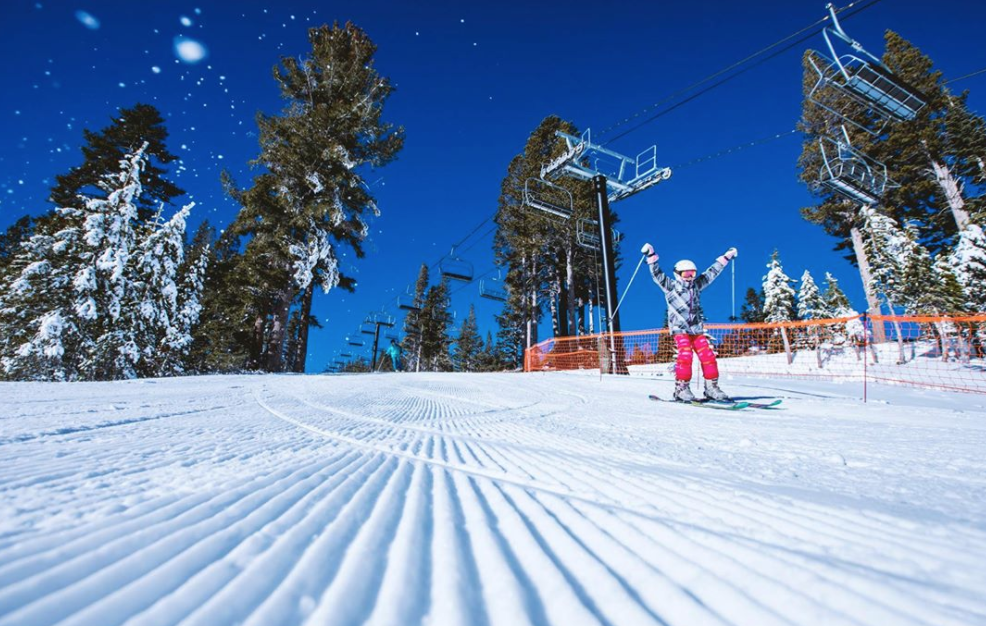
Tahoe ski season opens with flurry of excitement

Mount Rose is open for the 2016-17 ski season. Photo/Provided

Mount Rose is open for the 2016-17 ski season. Photo/Provided

By Steve Rubenstein, San Francisco Chronicle

SODA SPRINGS — A lot of people in wool beanies who hoped they weren’t about to sprain, tweak or break anything too important showed up on Friday to give it another shot.

It was opening day of ski season at the Boreal Mountain Resort, and ski bunnies, male and female, were excited enough to hop up and down like the other variety of bunny.

“I like snow,” said Caty Mieske, 4, of Sacramento. “It feels like ice cubes. I dreamed about it last night.”

Caty got up before dawn to get ready. So did just about everyone else. The night before opening day is not something that ski junkies easily sleep through.

Mount Rose Ski Tahoe also opened Friday, giving skiers access to four beginner trails.

Read the whole story