Family farmers still matter in the U.S.

By Danielle Nierenberg, Barbara Gemmill-Herren, Benjamin Graub and Caterina Batello, Huffington Post

On Thanksgiving we express gratitude for the abundance on our holiday tables, but rarely do we thank the people who grew, harvested, and processed that food.

But a very diverse group of family farmers around the world, and at home, deserve our support — according to the U.S. Census Bureau, 98 percent of American farmers are family farmers. The United Nations recently declared 2014 as the International Year of Family Farming, celebrating the global community of family farmers. Forthcoming reports by the U.N. Food and Agriculture Organization and Food Tank: The Food Think Tank suggest that through local knowledge and sustainable, innovative farming methods, family farmers can improve yields and create a more nutrient-dense and diverse food system. They’re even key players in job creation and healthy economies, supplying jobs to millions and boosting local markets.

In the United States, however, small and medium-size family farms are suffering. One bad harvest, a rejected bank loan, and too much or too little rain can drive farms out of business. In 2012, for example, a “once in a generation” drought cost farmers about $35 billion and reduced American GDP by up to 1 percent.

But in many parts of the country, farmers are finding ways to create resilience on farms.
Read the whole story


Tahoe Douglas recycling oil from turkey frying

Cooking fires continue to be the most common type of fires experienced by U.S. households. This is even more apparent during the holidays – especially on Thanksgiving, Christmas Eve and Christmas Day.

Tahoe Douglas Fire Protection District officials say these fires are preventable by simply being more attentive to the use of cooking materials and equipment.

New this year, Tahoe Douglas is recycling that cooking oil. Throughout the holiday season it may be dropped for free at Station 23, 193 Elks Point Road, Round Hill.

“A lot of attention has been focused on deep fryers for turkeys. They need to be used with extreme caution. Please be aware because of the fire danger associated with turkey deep fryers they are not given an UL safety rating,” the department said in a news release.

It is recommended that cookers never be left unattended, that they be used on a stable surface away and outside of any structures. Thaw the turkey because ice and water can cause a violent reaction with grease and cause a flash fire. Pre-measure the oil before placing the bird in the cooker, as overflowing oil will also cause a violent flame. Have an all-purpose ABC type fire extinguisher at hand. Never use water to fight a grease fire.


Nuts may add years to people’s lives

By Jenn Harris, Los Angeles Times

Eating nuts may help you live longer — and your best bet for a long life is to munch on them regularly, according to a Harvard University study published Thursday in the New England Journal of Medicine.

In the largest study of its kind, funded by the U.S. International Tree Nut Council Nutrition Research & Education Foundation and the U.S. National Institutes of Health, researchers followed 120,000 people for 30 years. They found the people who ate nuts regularly were less likely to die during the study.

Compared with people who didn’t eat any nuts, people who ate a daily portion of nuts reduced the death rate by 20 percent over the course of the study. People who ate four portions of nuts a week were recorded as having a 13 percent reduction in the death rate.

Read the whole story


Thanksgiving wine — a bottle for each course

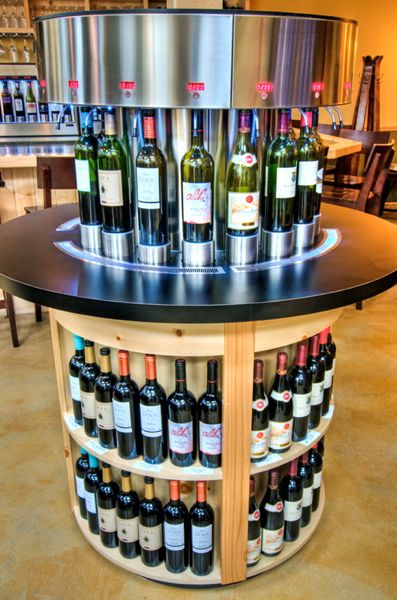
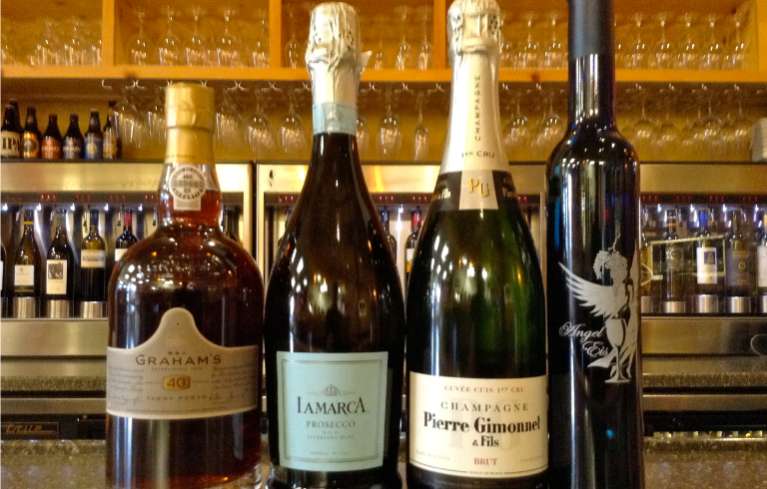
Dessert and sparkling wines are perfect on Thanksgiving. Photos/Apres Wine

Dessert and sparkling wines are perfect on Thanksgiving. Photos/Après Wine Company

By Barb Tenney

With so many dishes on the table, it can be challenging to find the perfect wines to pair with Thanksgiving dinner.

And with only five days until the big meal, now is the time to figure out what you will be drinking.

There is still time to sample wine before Thanksgiving.

There is still time to sample wine before Thanksgiving.

Since the only turkey on the table should be the bird, here’s a simple guide to help you find the right wines to serve.

White wines are the usual “go to” Thanksgiving selection, but there are a number of reds that work well for the occasion. The best red wines for Thanksgiving are fruit forward varieties like Pinot Noir, Zinfandel or Grenache/Rhone blend. They don’t overwhelm the day’s star (Mr. Turkey) and marry well with the sweeter side dishes like cranberries and sweet potatoes.

Suggested whites include Riesling, Gewürztraminer, Pinot Grigio or Chardonnay. They also complement the main dish and pair nicely with savory sides like green beans and Brussels sprouts.

To add festiveness on Thanksgiving, don’t hesitate to add bubbly and dessert wines to the mix. Champagnes and sparkling wines go with every course and are the perfect vehicle to toast your hosts.

Like pumpkin pie, dessert wines are a sweet way to end the day.

In the end, pick the wines you like best whatever the varietal. It’s a celebration of thanks and a day of enjoyment. Cheers!

Thanksgiving wine pairing suggestions:

• Turkey, Stuffing, Gravy and Cranberries

White: Riesling, Gewürztraminer

Red: Pinot Noir, Zinfandel, Grenache/Rhône blends

Bubbly: Champagne, Sparkling Wine, Prosecco

• Potatoes, Yams, Sweet Potatoes and Corn

White: Chardonnay

Red: Zinfandel, Grenache/ Rhône Blends

• Green Beans, Broccoli, Brussels Sprouts, Other Greens

White: Pinot Gris, Pinot Grigio

• Pumpkin Pie, Apple Pie, Pecan Pie, Desserts

Dessert: Port, Ice Wine

Bubbly: Champagne, Sparkling Wine, Prosecco.

For specific suggestions please see us at Après Wine Company. Many wines are available to sample before you buy to ensure they’re the perfect match.

Barb Tenney is owner of Après Wine Company on Ski Run Boulevard in South Lake Tahoe.


More chewing may be the way to ingest fewer calories

By Heidi Mitchell, Wall Street Journal

Over the holidays, Americans will undoubtedly overindulge, gulping down their first plateful and racing back for seconds. But is there an optimal way to masticate?

One expert, Klaus Bielefeldt, director of the Neurogastroenterology & Motility Center at the University of Pittsburgh, chews on the subject.

Digestion starts in the mouth, says Bielefeldt, and chewing initiates the process.

“Mechanically, chewing breaks down the food into tiny pieces so that it is easier to digest,” he says. “Chemically, chewing releases saliva, a lubricant that helps food to slide down the esophagus and begin the breakdown of carbohydrates with the help of the enzyme amylase.”

The longer you chew, the more fragmented food particles become, which eases the digestive process in the gut and stomach.

“And you won’t swallow a whole toothpick that someone left in the turkey, which I’ve seen,” says Bielefeldt.

Read the whole story


K’s Kitchen: Not an ordinary taco salad

By Kathryn Reed

So many recipes that sound good to me come with meat. Such is the case with the one below. But it’s also one of the easier ones to eliminate the meat.

Recipes like this are ideal for when there are meat and non-meat eaters at the table. Just put the chicken on the salads of those who want it.

Barbecuing the chicken is a good idea for this dish.

k's kitchenMy sister, Tami, originally shared the recipe with me. She got it from “Cooking Light” magazine.

I recommend using a whole avocado and more cilantro. And the chipotle has quite a kick, so judge accordingly based on how much spice your tablemates like.

Putting tortilla chips in a basket allows for the salad to be scooped up that way, too.

This makes enough for four, with leftovers. And that’s without the chicken.

 Chipotle Chicken Taco Salad

Dressing:

1/3 C chopped fresh cilantro

2/3 C light sour cream

1 T minced chipotle chile, canned in adobo sauce

1 tsp ground cumin

1 tsp chili powder

4 tsp fresh lime juice

¼ tsp salt

Salad:

4 C shredded romaine lettuce

2 C chopped roasted skinless, boneless chicken breasts (about 2 breasts)

1 C cherry tomatoes, halved

½ C diced peeled avocado

1/3 C thinly vertically sliced red onion

1 15 ounce can black beans, rinsed and rained

1 8¼ ounce can no salt added whole kernel corn, rinsed and drained

Dressing: combine first 7 ingredients, stirring well.

Salad: combine lettuce and remaining ingredients in a large bowl. Pour dressing over salad to gently coat. Serve immediately.


Drinking alcohol after 40 gets more complicated

By Andrea Petersen, Wall Street Journal

When you’re in your 40s, it’s pretty common to need reading glasses. You might need smaller wine glasses, too.

That’s because alcohol hits people harder in their 40s and 50s than it did during their 20s and 30s. The reasons for this include changes in body composition to brain sensitivity and liver functioning. Lifestyle factors are at play, too. And since people tend to take more medications—both prescription and over-the-counter—as they age, there are more chances for uncomfortable and even dangerous booze-drug mixing.

“All of the effects of alcohol are sort of amplified with age,” says David W. Oslin, a professor of psychiatry at the Perelman School of Medicine at the University of Pennsylvania. “Withdrawal is a little bit more complicated. Hangovers are a little bit more complicated.”

Part of the issue is that people in their 40s and older simply tend not to drink as much or as often as those in their 20s and 30s, which lowers tolerance. “You’re becoming more work-oriented, more family-oriented,” says Robert Pandina, director of the Center of Alcohol Studies at Rutgers University.

So when you do drink “you might have a more sensitive response to alcohol because you’ve lowered your exposure to alcohol over all.”

Some people swear that only certain types of alcohol—red wine, tequila—are a problem. Generally, doctors say there’s little science indicating that some drinks make people drunker or lead to more miserable hangovers. It is true, however, that people at any age can develop sensitivities to sulfites and tannins in wine, which can cause headaches and an upset stomach, Pandina says. And the carbonation in sparkling wines or even in mixed drinks like whiskey and Coke “seems to increase how rapidly alcohol is absorbed,” says Reid Blackwelder, president of the American Academy of Family Physicians and a practicing family doctor in Kingsport, Tenn.

Read the whole story


South Shore to host restaurant week in January

California has been doing a restaurant week in January for a handful of years and the South Shore is going to participate in 2014 for the first time.

Tahoe South Restaurant Week will be Jan. 10-17.

Restaurants wanting to know more about this event are asked to attend an informational meeting Nov. 20 at 4:30pm at Riva Grill.

Thirty-three areas in California participated this year. The goal is to drive business to restaurants. The consumer benefits by receiving deals throughout the week.


Study: Coffee cuts the risk of getting diabetes

By Allison Aubrey, NPR

If you go back to the 1970s, people with a serious coffee habit often had an accompanying habit: smoking.

And that’s why early studies gave coffee a bad rap. Clearly, smoking was harmful. And it was hard for researchers to disentangle the two habits. “So it made coffee look bad in terms of health outcomes,” Harvard researcher Mehr Stampfer explained to me.

But, fast forward a quarter century and the rap on coffee began to change.

As we’ve reported, recent meta-analysis studies have found that people who drink coffee regularly are at lower risk of depression, and perhaps Alzheimer’s too.

Now, there’s further evidence that coffee also helps cut the risk of developing type-2 diabetes. In the most recent , researchers found that drinking two or more cups of coffee per day was associated with a 12 percent decreased risk of developing the disease. And even decaffeinated coffee seemed to cut the risk, though not as much as the caffeinated kind.

Of course, the most significant risk factor for type-2 diabetes is weight. And, indeed, the study found that coffee’s protective effect didn’t seem to hold up as well in overweight people.

Read the whole story


Thanksgiving meal costs a little less this year

By Katie Little, CNBC

Finally, some good news for consumers to chew on: That Thanksgiving feast will be a little less expensive.

The average cost of this year’s holiday dinner for 10 eased down 0.9 percent to $49.04 from $49.48 last year, according to a survey from the American Farm Bureau Federation released on Thursday.

The survey’s shopping list includes typical Turkey Day fare, including turkey, stuffing, sweet potatoes, rolls with butter, cranberry sauce and pumpkin pie with whipped cream.

About half of the items became more expensive while the other half fell in price. The biggest decrease this year came from a drop in turkey prices. Prices of rolls and green peas also fell. Meanwhile, sweet potatoes, pumpkin-pie mix and milk made up the biggest increases in this year’s basket.

“Most Americans will pay about the same as last year at the grocery store for a turkey and all the trimmings,” said John Anderson, AFBF’s deputy chief economist in a news release. “Slightly higher turkey production for much of the year coupled with an increase in birds in cold storage may be responsible for the moderate price decrease our shoppers reported.”

Read the whole story