Personalized diet may be the healthier choice

By Kate Murphy, New York Times

In what has come to feel like a twice-a-decade mea culpa, the federal government last week released another revision of the Dietary Guidelines for Americans, this time urging many of us to consume less sugar and less protein. The new recommendations may well influence nutrition labeling, school lunches and government assistance programs.

But the advice is likely to be ignored by much of the I’ll-have-fries-with-that citizenry. Moreover, recent scientific findings are beginning to lend support to a new approach to diet, one personalized to the individual.

Research increasingly suggests that each of us is unique in the way we absorb and metabolize nutrients. This dawning realization has scientists, and entrepreneurs, scrambling to provide more effective nutritional advice based on such distinguishing factors as genetic makeup, gut bacteria, body type and chemical exposures.

Read the whole story


K’s Kitchen: Beets are the reason to make salad

By Kathryn Reed

Sometimes it’s what’s in the salad besides the greens that steal the show. That’s the case with this recipe.

Beets are considered a superfood. They contain antioxidants, help reduce inflammation, have a ton of vitamins, and are good for the heart.

My gripes about them are that they take at least an hour to cook and they can be a bit messy. And for some reason I really don’t like peeling anything other than a banana.

With all of that said, I love beets. That hasn’t always been the case. It’s one of those acquired loves since becoming an adult.

This is one of those pretty salads, so if you have a platter to serve it on instead of a bowl you are more likely to wow your dinner guests.

This will make enough to serve six.

Remember to only dress the greens you plan to eat that day; otherwise it will be soggy and undesirable. Better to be conservative as you mix everything and add more to your taste preference.

I used spinach for the salad. Watercress would be good, too. Something dark green is going to be best for presentation, and dark greens have the most nutrients.

beet saladColorful Beet Salad

1 pound red beets (about 3 medium beets), trimmed

1 pound golden beets (about 3 medium beets), trimmed

2½ T olive oil

1 T red wine vinegar

1½ tsp honey

3 garlic cloves, minced

¼ tsp kosher salt

1/8 tsp freshly ground black pepper

4 C spinach

½ C feta, crumbled

Preheat oven to 375 degrees.

Wrap beets in foil and bake for 1 hour and 20 minutes or until tender. When done, remove foil and let cool.

Combine oil, vinegar, honey, garlic, salt and pepper in a medium bowl.

Spread spinach on a large serving platter.

Remove skin from cooled beets; cut each beet into bite size pieces. Add beets to oil mixture and toss. Arrange beets on spinach. Add feta.


Natural cork making a comeback at wineries

By Megan Krigbaum, Food and Wine

Natural corks are effective, sustainable and even romantic. Here’s why their reputation has been tainted, and why they’re making a comeback.

Natural cork is a sustainable resource: It comes from cork-tree bark, which regenerates every eight to 10 years. Yet natural cork has fallen a bit out of favor over the past 30 years as a growing number of producers switched to synthetic cork or screw caps.

The problem is “cork taint,” contamination with a nasty compound called TCA that can ruin wines that have taken years to make.

In recent years, however, winemakers have come to realize that synthetic cork and screw caps have their own set of issues.

Read the whole story


Country of origin requirement for beef repealed

By Nancy Fink Huehnergarth, Forbes

That next steak or pork chop you buy at the grocery store could be from Mexico and beyond, but you’ll never know it.

On Friday, Congress repealed the country-of-origin-labeling rule (COOL) on beef and pork after the World Trade Organization (WTO) imposed $1 billion in retaliatory import tariffs against United States if the rule was not overturned. The repeal was part of the omnibus spending bill signed by President Obama on Friday.

COOL mandates labels on packaging that reveal the country (or countries) where the meat animal was born, raised and slaughtered. While beef and pork will no longer have to comply with COOL rules, chicken and lamb must still be labeled.

Read the whole story


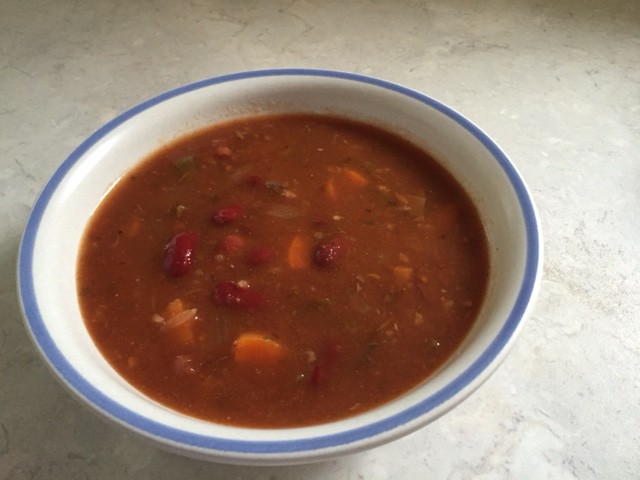
K’s Kitchen: Spicy soup ideal on winter night

By Kathryn Reed

It’s always good to have a Plan B when it comes to dinner – especially when guests are coming.

Once I realized what a hectic day I was going to have I knew I needed to find something easy to make. Out came the crock pot. This would allow me to have dinner cooking all day and not have to worry whether I would have it ready when my friends arrived.

Another bonus to using a crock pot is that the aroma of whatever is cooking then permeates the house. And a one pot dish makes cleaning up so easy.

This recipe has a little kick to it, which the three of us enjoyed. Know that the flavors are going to meld as they cook, so don’t rely on the initial taste to know if you have the seasonings adjusted correctly.

Assuming I’m going to be around, I start with the crock pot on high. When I leave the house I put it on low.

Served with a salad, bread and wine it’s a complete meal.

    soupSpicy Vegetable Soup

2 C yellow onion, chopped

1 medium green bell pepper, chopped

1 C celery, diced

1 large carrot, diced

1 jalapeño pepper, minced

8 ounces cremini mushrooms, chopped

6 garlic cloves, minced

3 T tomato paste

1 T cayenne pepper

2 tsp ground cumin

1 tsp dried oregano

½ tsp smoked paprika

¼ tsp red pepper flakes

1 (14.5-ounce) can stewed tomatoes

3 C water

1½ C vegetable broth

1 bottle of beer

1 (14.5-ounce) can kidney beans, drained

Salt

Place all of the ingredients into a crock pot. Stir. Cook all day.

Adjust seasonings if need be.


Federal guidelines seek to curb sugar intake

By Tara Duggan, San Francisco Chronicle

For the first time, the federal government is recommending a specific limit on Americans’ sugar intake, making waves in the food industry and public health community with its 2015 Dietary Guidelines for Americans released Thursday.

Every five years, these federal guidelines impact spending on school lunch, military, food stamp and other government programs, so there’s money in the game — even though only 57 percent of Americans follow the recommendations.

The biggest change since 2010 is new specific guidance that added sugar — not the kind naturally found in food, but sugar added to foods during processing or at the table — be limited to 10 percent of calories. Other nutrient recommendations, such as a daily limit of 2,300 mg of sodium and keeping saturated fats at only 10 percent of calories, remained the same as in previous versions of the guidelines.

Read the whole story


How El Niño is impacting the wine industry

By Cale Weissman, Kyle Frischkorn, and Logan Brenner, Eater

In 1998, heavy rains hit California mid-winter in what was described as one of the strongest El Niños to date. It caused flooding, abnormally high waters, and multiple storms that led to substantial damage. That year, the wine was different, too.

Winemakers at the time prepared for what they knew was going to be a rough year. Vineyards, indeed, do need rain. But extreme, uncontrolled, and prolonged showers are hard on any crop — especially so for wine grapes. Sure enough, after the 1998 vintage was bottled and sampled, critics furrowed their brows: The wine was different, less bright, and simply not as good as years past. The likely scapegoat was the strong El Niño, but was this climate phenomenon really to blame for a lackluster vintage?

In 2016, the West Coast faces a similar reality. Yet again, ’tis the season of El Niño, aptly named with a Spanish flair for its arrival’s proximity to the birth of the central figure of Christianity. The impending severe weather may be welcomed with more open arms than in the past, due to the drought in California. But the change in weather patterns will yet again affect how crops develop and transform into consumable goods.

The effects of an onslaught of winter rain are hard to predict for this year’s wine crops. Harsh weather conditions could forever besmirch 2016 vintages, or rains could revive parched soils. We asked the leading wine and climate experts what havoc this winter could wreak.

Read the whole story


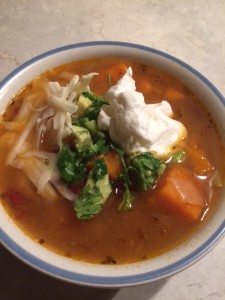
K’s Kitchen: Squash stew a delight in winter

By Kathryn Reed

I love eating butternut squash. It’s peeling and cutting the raw squash that I don’t really like. But the effort, it’s so worth it.

This stew is fabulous on a cold winter night. It’s hearty, filling and blends southwestern flavors into a delightful meal. It’s also fairly healthy. It would be easy to skip the cheese and yogurt to make it even more nutritious. But only a small amount of both are called for, so it’s not adding that much fat and calories.

Just don’t skip the salsa. The tanginess of the lime adds so much.

I was thrilled to have leftovers for a couple days. It didn’t last long enough to know if it freezes well.

            IMG_3261Southwestern Squash Stew

Stew:

2 T olive oil

1 butternut squash, cubed

1 medium yellow onion, chopped

2 tsp dried oregano

1 quart vegetable broth

2 dried red New Mexican or guajillo chile, seeded and torn into bits

1 T smoked paprika

½ tsp kosher salt

1 tsp red pepper flakes

2 (15.5-ounce) cans chick peas, drained

Salsa:

1 avocado, diced

½ C cilantro, minced

1 jalapeño pepper, minced

1½ tsp grated lime rind

1½ T fresh lime juice

¼ C Monterey Jack cheese, grated

¼ C Greek yogurt, reduced fat

In sauce pan over medium heat add oil, squash, onion, oregano, and chile. Cook until onion and squash begin to brown, stirring frequently. Add broth, paprika, salt, red pepper flakes and chickpeas; bring to a boil. Cover, reduce heat, and simmer 10 minutes or until squash is tender.

Combine avocado, cilantro, jalapeño, lime rind and lime juice.

Ladle stew into bowls. Top with salsa, cheese and yogurt.


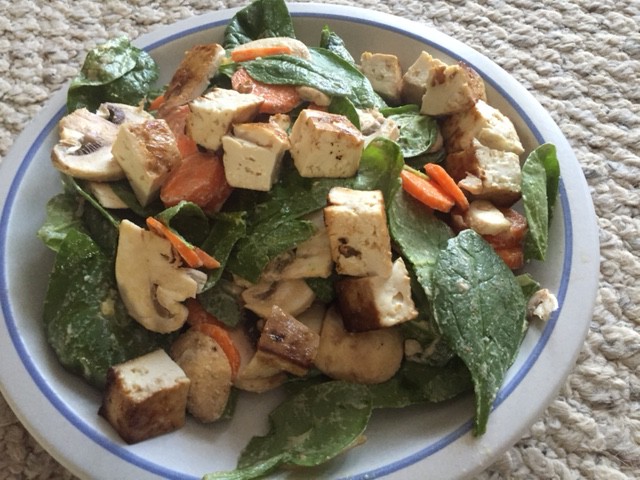
K’s Kitchen: Starting the year with a healthy dish

By Kathryn Reed

It’s rare in winter when I want salad to be my main meal. I’m usually craving something warm.

On this particular day I needed healthy more than anything else because s’mores and wine were what I had consumed most of the previous day. With this particular salad, it is warm because of the tofu.

And with the holidays behind us, eating healthfully may return to normal for many of us.

However, just say tofu and so many people turn up their noses. I understand. If it’s not cooked correctly, it really is a turn off because of the texture, taste and appearance. This recipe, though, might make you a convert.

I cooked the tofu in the oven, but it could easily be grilled.

I used spinach for the greens because I had some in the fridge. I just added a carrot and mushrooms. You are going to want to make a regular salad, then you’ll add the tofu and special dressing. Pay attention to which vegetables you think will go well with the dressing.

I also used vegannaise, but real mayonnaise will do the same thing.

With tofu being a great source of protein, no need to add more. Think of this like a vegetarian chef’s salad, but without the nasty processed meat and questionable dressing.

The amount of dressing is enough for a salad for four. Just don’t dress the salad – any salad – until you are ready to serve it and only dress the amount you believe will be consumed because it’s seldom good the next day.

I had lots of extra dressing. Some I used in a stir fry — excellent. The rest I used as a spread on a heated tortilla with the leftover tofu — which I also heated. This, too, was great.
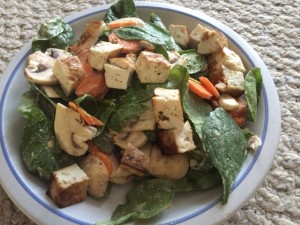
           tofu salad Greens with Tofu

For Tofu

1 package extra firm tofu

2 T sesame oil

2 T soy sauce

1 tsp brown sugar

¼ tsp cayenne

¼ tsp garlic powder

Dressing

1/3 C tahini

2 T vegannaise or mayonnaise

1½ T rice vinegar

1 T sesame oil

3 cloves garlic, minced

1/8 tsp pepper

Heat oven to 400 degrees.

Press tofu between paper towels to remove excess water. Cut tofu in half and then in thirds. Place the six slices on a rimmed baking sheet.

Whisk the six tofu ingredients together and then pour over tofu, coating both sides.

Cook for about 15 minutes, until there is firmness to the tofu and it turns golden or dark brown. For extra crispiness, cook under broiler at the end. Cut tofu into cubes.

Prepare salad.

Combine dressing ingredients in small bowl.

Add tofu to salad, then add dressing.
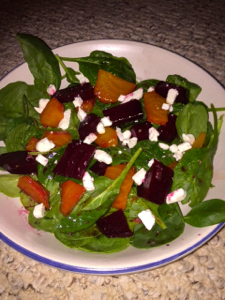


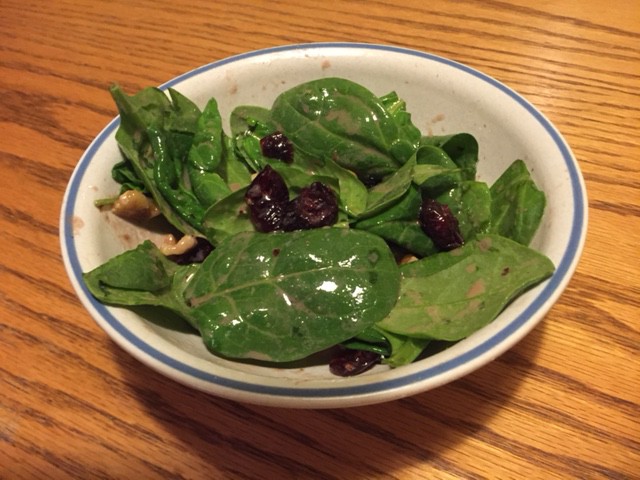
K’s Kitchen: Wine infused vinaigrette

By Kathryn Reed

It was a bold move earlier this month when I chose to serve a spinach salad to my friend who is famous for her spinach salad.

It paid off. We all had seconds.

The dressing below will work on all kinds of green salads. I tossed Craisins and chopped walnuts in with the spinach. This made for a sweet, crunchiness. Nuts are a much healthier alternative than croutons. Pecans or pine nuts would work, too.

Only dress the amount of salad you believe you will eat at that meal because a dressed salad won’t last.

This recipe was enough for three people the first night, and leftovers for me for later in the week.

salad Red Wine and Dijon Vinaigrette

½ C dry red wine

¼ C red wine vinegar

1 T Dijon mustard

¼ C canola oil

Salt and pepper

In a small saucepan bring the wine to a simmer. Cook over moderate heat until reduced to 2 tablespoons. Let cool.

Pour wine in bowl. Whisk in red wine vinegar and mustard. Slowly drizzle in canola oil. Season with salt and pepper.