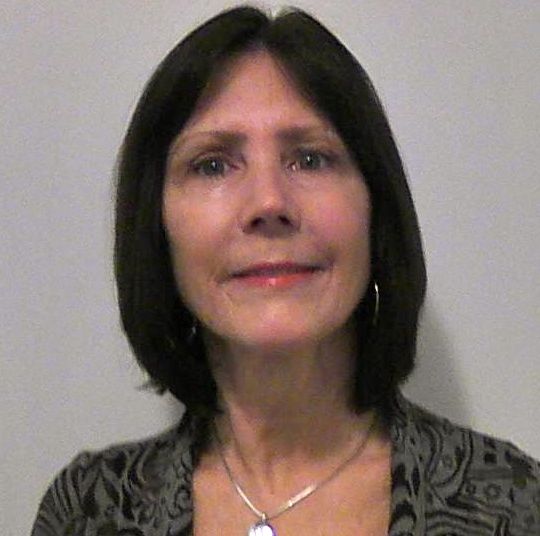
SHES secretary takes her name off attendance roll

By Kathryn Reed

Oftentimes the first person anyone sees on a school campus is the person who knows the most, has all the answers and can be guaranteed to have a smile no matter the chaos going on all around her.

That is the case with Cindy Farmer.

As secretary at Sierra House Elementary School, she is the keeper of all the information. She knows students by name. She has helped create a home away from home.

But when students return in January from the winter break they will have to learn a new name. Farmer is one of 17 classified employees in Lake Tahoe Unified School District who will retire as of Dec. 31. Friday is their last day of school.

Cindy Farmer

“When I first started I woke up every morning and couldn’t wait to get to work. And I still love coming every day,” Farmer said. “I will miss it. It will be very emotional for me when I leave.”

But at 62 she knows it is time to call it quits, spend more time with her biological family, and enjoy all the reasons she and her husband, Jim, call Lake Tahoe home.

Farmer will have more time to tend to her immaculate yard and garden, as well as hike some more.

During her time at the South Lake Tahoe school she has worked for four principals – three men and one woman.

“You have to get a feel for their personality. One was very organized, one messy, one brand new. They were all different,” Farmer said of her bosses. “You have a different relationship with each one. Some you can tease with more, some are more serious. They have all been so good to me.”

Ryan Galles is one she laughs with nearly every day.

“She makes the job look easy and it is not an easy job,” Principal Galles told Lake Tahoe News. “She never puts anybody off when they have something that needs taking care of.”

With her last day being Dec. 21, he joked that it would be the end of his world.

“She started out as a colleague and we ended up as incredible friends,” Galles said of Farmer, even though he is close to her kids’ ages. “We’ve had a really strong relationship. It’s so important for a secretary and principal to work closely.”

Farmer started at the school in 1984 – eight years after it opened – as a volunteer in the classroom. She did that for 13 years before becoming the school secretary.

She thought she would miss being in the classroom with kids, but then realized as school secretary she gets to see the entire student body.

Paige Cefalu met Farmer about 20 years ago. Cefalu taught at the school and Farmer was her aid.

“I made her promise me she would not leave before my kids left,” Cefalu said. By that time Farmer was working in the front office.

“I subbed for her for one week. It was the hardest job … between being secretary, the nurse, dealing with teachers, the principal, phone calls,” Cefalu said. “She definitely does not get paid enough and she does it with a smile on her face.”

Collectively, the retiring employees have given LTUSD 411 years of service. Retirees are:

• Ken Gerrard, LTESMS, senior custodian, 15 years

• Birgit Lukins, STHS, senior attendance assistant, 21 years

• Steve Dorman, maintenance, craftsworker, electrician, 18 years

• Cathy Crabtree, STMS, cafeteria, 25 years

• Sandra Bobman, Tahoe Valley, library assistant, 35 years

• Andy Balwing, STHS, custodian, 35 years

• Jerry Buckley, bus driver, 18 years

• Sandy Hood, Sierra House, instructional assistant, 26 years

• Hillary Dembroff, occupational therapist, 15 years

• Cheryl Walters, STMS, instructional assistant, 33 years

• Holly Weber, Sierra House, cafeteria supervisor, 28 years

• Romeo Alaoen, STHS, custodial supervisor, 36 years

• Wayne Blaylock, STHS, custodian, 26 years

• Pam Giordano, STHS, cafeteria assistant, 22 years

• Kathy Humphreys, EC, administrative assistant, 20 years

• Jerry Lufrano, Al Tahoe/EC, custodian, 26 years.


Opinion: Mortgage interest deduction tied to fiscal cliff

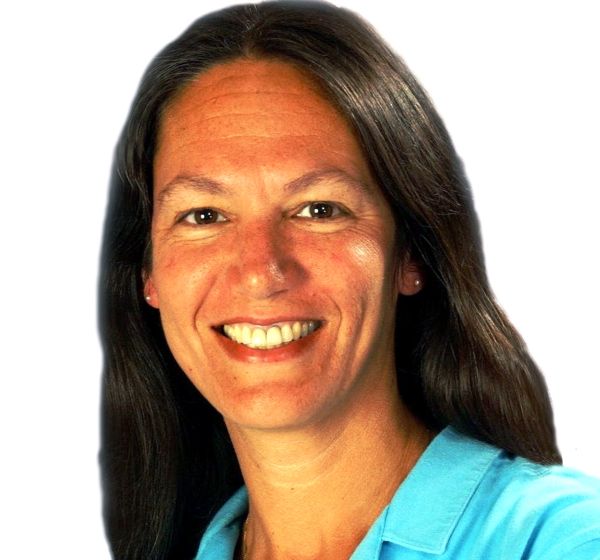
By Jill Teakell

Home is where the heart is. A man’s home is his castle. There’s no place like home.

These familiar sayings remind us of the emotional connection Americans have with homes and homeownership. However, home also is where our nation’s economic recovery resides – which is why all Americans should oppose any proposal that would eliminate or attempt to alter the mortgage interest deduction, as it undermines a century-old commitment to the American Dream of homeownership.

Unless Americans are vocal in their opposition during the current tax reform debate, Congress may, in effect, shove generations of current and future homeowners off “the fiscal cliff” by jettisoning their ability to deduct mortgage interest from their federal income taxes.

Jill Teakell

While current discussions involve reducing the limit to $500,000 for a primary residence and eliminating it entirely for second homes, any attempts to reduce the mortgage interest deduction would not only have deleterious effects on homeownership, but also be tantamount to taking the first step toward a wholesale elimination of this long-standing deduction.

The mortgage interest deduction makes a substantial difference for lower and middle-income families. If the mortgage interest deduction is taken away, it would cost the average California taxpayer $3,940 annually, and more than 694,000 Californian households would no longer be able to afford to buy a median-priced home.

Eliminating the mortgage interest deduction would have immediate and dire consequences. It would slam the brakes on America’s economic recovery by changing the fundamental economics of homeownership for more than 75 million Americans and slow or even reverse recent home price gains. Since housing is widely regarded as a key economic driver, our country could be driven back into recession.

In high cost areas such as California, the damage would be even worse. California homeowners would lose $356.8 billion in potential tax savings, and the recent recovery in home prices would be jeopardized. The state also could realize a loss of more than 40,000 home sales over time, which would cost the California economy $2.4 billion in lost output.

Lake Tahoe, as a second home market, would be most vulnerable. Fewer vacation homebuyers could reduce the demand for housing and cause a precipitous drop in property values.

Reducing the allowable amount of the mortgage interest deduction wouldn’t be any less damaging either. The tax liability for more than 1.19 million primary or secondary homeowners would be negatively impacted if the deductible interest were limited to $500,000. Furthermore, should the mortgage interest deduction be eliminated for second homes, the potential economic losses to the California economy would total more than $557 million.

How important is the mortgage interest deduction to homebuyers? In a recent survey by the California Association of Realtors, 79 percent of homebuyers said that mortgage interest and property tax deductions were “extremely important” in their decision to purchase a home. A Pew Research Center study last year found that 80 percent of Americans believe buying a home is the best long-term investment they can make – even considering the real estate downturn.

In the final analysis, “There’s no place like home.” By preserving the mortgage interest deduction, President Obama and Congress can provide the boost most Americans – and our economy – need to keep the American Dream of homeownership alive and well for generations to come.

Jill Teakell is president of South Tahoe Association of Realtors.


Mardi Gras party to benefit Austin’s House

The fifth annual Mardi Gras fundraiser to benefit Austin’s House has a new twist this year. The theme has been changed to a Cowboy Mardi Gras party.

This casual fundraiser will be Feb. 8 at the Carson Valley Inn.

Put on your jeans and celebrate the party atmosphere of Bourbon Street in New Orleans on Fat Tuesday with food, music, dancing, fun games, raffle prizes, and a silent auction.

The party starts at 6pm with a cocktail hour. Then party goers will feast on a BBQ buffet dinner featuring pulled pork and mesquite rubbed chicken with all the trimmings. Wine is included with dinner. Beer and cocktails are also available.

After dinner, the Cowboy Mardi Gras party hits full stride with music, dancing and fun games. Raffle prizes will be drawn every 15 minutes.

Tickets are $50. Only 200 tickets will be sold. Call Austin’s House at (775) 267.6711 to order tickets.

Austin’s House is the only emergency children’s shelter in rural Northern Nevada.


Audit shows State Parks violated payroll rules

By Matt Weiser, Sacramento Bee

Dozens of employees at the state Department of Parks and Recreation were inappropriately paid for working outside their job classification, according to an audit by the State Controller’s Office released Tuesday.

These “out-of-class” work assignments may have cost taxpayers tens of thousands of dollars beyond the misuse of funds at the department that has been previously reported.

The audit was triggered by a Sacramento Bee investigation, published in July, that revealed a secret vacation buyout program offered to employees at parks headquarters in Sacramento. This program cost taxpayers more than $271,000, which would have been sufficient to save a half-dozen parks from closure as a result of state budget cuts.

The Controller’s Office opted not to probe the vacation buyout further, saying prior investigations by internal auditors and the Attorney General’s Office had been adequate. However, it did find that an additional three people received vacation buyout payments, for a total of 59. The amount of money paid to these additional three employees is not revealed.

The audit focuses primarily on other revelations involving parks employees allowed to work in positions above their usual pay grade, often done to temporarily fill a staff vacancy.

Auditors found 203 employees over a three-year period were assigned to these “out-of-class” assignments at state parks. It remains unclear whether all of these were improper, because the department did not follow required record-keeping procedures before approving the assignments.

In many cases, managers circumvented the usual process to approve out-of-class work assignments so that the employee could begin the assignment without the required paperwork.

The audit says this practice “presents a serious risk of abuse or fraud.”

“There’s a number of different rules that were violated here,” said Jacob Roper, a spokesman for the Controller’s Office.

Because of the inadequate documentation, the controller could not determine how much money was inappropriately paid to employees working above their pay grade. It directed the Parks Department to figure that out and seek reimbursement from the employees.

In one potential example, however, it found that 17 employees worked beyond the required 120-day limit in their out-of-class assignment. These cases, which clearly violate state rules, amounted to an expense of $38,900.

In a Nov. 30 written response to the audit, Aaron Robertson, chief deputy director at state parks, said all the affected employees were qualified to work in the out-of-class assignments. The primary issue was that required procedures were not followed.

The letter states the department will seek reimbursement from employees who inappropriately received out-of-class salary payments.

“In general,” Robertson wrote, “we acknowledge and it is widely known that some very unfortunate events occurred at the Department of Parks and Recreation.”


South Tahoe’s Anderson giving back to her hometown

On Dec. 21, the winter solstice, professional snowboarder Jamie Anderson will provide a surprise sponsorship for four lucky kids and have a winter clothing drive in South Lake Tahoe.

In partnership with Sierra-at-Tahoe Resort and the Lake Tahoe Unified School District, Anderson will sponsor four middle school students from her hometown this winter season with a “surprise sponsorship”.

Anderson will award Alondra Gomez, Megan Rose Aquino, Cesar Hernandez, and Guillermo Perez Morris with an unlimited Sierra Resort season pass, brand new Billabong outerwear, a GNU snowboard, boots and bindings, goggles, and Skullcandy headphones.

Anderson, 22, who was born and raised in South Lake Tahoe, created the Jamie Anderson Surprise Sponsorship to give back to the community and provide less fortunate kids with the opportunity to snowboard.

With the help of LTUSD Superintendent Jim Tarwater, Anderson worked to identify students who showed academic promise, strong work ethic, and moxie.

“I’m excited to provide these kids this opportunity for the second year in a row. I was so lucky to grow up snowboarding at Sierra Resort, and I want to give that opportunity to others. It’s always fun to spread holiday cheer and surprise four amazing kids with an entire set up and season pass so they can ride all season long and hopefully fall in love with snowboarding like I did,” Anderson said in a statement.

Tarwater and the four students will go to Sierra Resort on Friday where they will receive their snowboard gear and spend the afternoon with Anderson, a six time Winter X Games medalist and recent Dew Tour champion. Anderson will share snowboarding tips, take runs with them, and introduce them to the sport of snowboarding.

Anderson will also extended her philanthropic efforts that day by supporting Live Violence Free by setting up a giving station where community members can deliver coats, other warm clothing items, and meet and greet with Anderson from 10am until noon.


Pet food being collected in Truckee

The Humane Society of Truckee-Tahoe’s Pet Pantry could be more full.

With the slogan “Give what you can, take what you need,” this program collects pet food and distributes it to needy families and their pets in the Truckee-Tahoe area.

Anyone with extra food or who wants to donate some, collection barrels are available at the following locations: Safeway in Truckee and Kings Beach, Pet Station, and Scraps Dog Bakery in Truckee.

Dog food will be handed out at the Humane Society Shelter every Saturday from noon-2pm. The shelter is located at the old Truckee Corporation Yard, 10720 Riverview Drive, Truckee.

People needing pet food, may call (530) 587.5948.


Opinion: Time to keep weapons away from the mentally ill

By Ted Gaines

Inspired by the tragic events that took place at Sandy Hook Elementary School in Newtown, Conn., on Dec. 18. I announced legislative plans to introduce a bill that would make a critical change to California’s existing gun control laws, keeping dangerous firearms out of the hands of the mentally ill.

It’s time to take a hard look at gun violence in America and California. As a father of six children and a legislator, I am sickened by the recent events in Connecticut. While there is no single solution to completely preventing this kind of horrific crime, I believe this bill is an important step in protecting our children and anyone who is at risk from the dangerously mentally ill.

Ted Gaines

Current California law prevents anyone who has been judged by a court to be a danger to others due to a mental disorder or mental illness, or has been judged a mentally disordered sex offender, from owning or possessing a firearm. However, upon completion of treatment or at a later date the person can petition the court to issue a certificate saying they are approved to possess a firearm.

My bill will amend California law to permanently prohibit gun ownership for those people who met the conditions stated above. There would be no petitioning the courts for future firearm possession.

Although California has the toughest gun laws in the nation, there is a loophole that must be closed for those determined by a court to be dangerously mentally ill. I hope everyone with any mental illness gets the treatment and rehabilitation they need to live a healthy and productive life. But if the court has ruled you are a danger to others, that’s it. That is your one strike. We are not going to pave the way for you to own a firearm ever again.

Ted Gaines, R-Roseville, represents the 1st Senate District, which includes all or parts of Alpine, El Dorado, Lassen, Modoc, Nevada, Placer, Plumas, Sacramento, Shasta, Sierra and Siskiyou counties.


Mancuso trying to find a ski to get her on the podium

By USSA

ARE, Sweden — Julia Mancuso (Squaw Valley) skied a brilliant bottom section to finish 14th in Wednesday’s Audi FIS Alpine World Cup giant slalom held under the lights in Are.

“Julia is still trying some things with her equipment and she was using the same ski she used in Courchevel in the first run and it just didn’t work out,” head coach Alex Hoedlmoser said. “The snow conditions were totally different. She switched skis for the second run and she was two-tenths out of the fastest time. It was good progress and we’re going to keep that going. She’s going to skip tomorrow’s slalom and focus on testing GS skis.”

Mikaela Shiffrin (Vail) had also made the final with the 17th fastest opening run, but hooked a gate with her right shoulder and was bounced off course.

German Olympic GS champion Viktoria Rebensburg halted the four-race discipline win streak of Slovenia’s Tina Maze with her first victory of the season. Maze finished third behind Anna Fenninger of Austria.

Reigning overall champion Lindsey Vonn (Vail) did not start while continuing to regain strength from an intestinal infection.


Demo backcountry gear for free at Alpine

Alpenglow Sports’ 7th annual Backcountry Demo Event is Jan. 5 from 9am to 3pm, weather permitting, at Alpine Meadows Ski Resort.

The event will provide a forum to perpetuate the enthusiasm for all aspects of in-area and backcountry skiing. Free to all, the event will showcase the latest and greatest in telemark and alpine touring equipment.

Participating vendors include Black Diamond, Dynafit, G3, Scarpa, Salomon, Garmont, Marker, Volkl, DPS, Moment, Venture Snowboards and SkiLogic.

A new component for the biggest AT and telemark demo on the West Coast is an informal avalanche companion rescue techniques class. Taught by Rich Meyer (NASTC-AMGA Ski Mountaineering Guide and AIARE avalanche instructor), the companion rescue clinics will include beacon searches, strategic shoveling, and probing and last approximately 60 minutes.


DNA dilemma — a potentially life-changing test

By Bonnie Rochman, Time

Know your enemy, we tell ourselves; knowledge is power. Laurie Hunter wanted to know what disease was attacking her daughter Amanda, who by the age of 2 months was not developing normally. Her muscle tone was low. She wasn’t lifting her head. She was slow to talk, and she didn’t walk until she was 2.

“As a mother, you know that everything that happens to your child is not your fault, yet you still feel responsible,” says Hunter, 42, a high school English teacher who lives in Jackson, N.J. “We turned to genetic testing because I wanted answers.” The first tests, done at the Children’s Hospital of Philadelphia (CHOP) when Amanda was 4, came back normal. So did another round when she was 9. Doctors could not figure out what was making Amanda weak–even as she got weaker and slower and stopped being able even to blow her nose. “It’s like her muscles are getting tighter and not moving in the way they should,” Hunter said. But the doctors held out hope. Genetic testing grows more sophisticated every day, they said, allowing researchers to explore a child’s health down to every last typo on a chromosome.

In March, a third round of tests found seven genes missing from Amanda’s first chromosome. At last, Hunter thought, when the genetic counselor called and asked to see her. “It felt like finally I might have an answer.” But it was not the answer she was looking for. The small deletion, the counselor said, did not explain Amanda’s condition. That was still a mystery. And now a whole new threat appeared.

One of the seven deletions has been linked to very rare tumors. The geneticists wanted Amanda, who is 14, to be screened by an oncologist. “It was like, Oh, my God, now we are adding cancer to the mix,” Hunter says. “Never in a million years did I think this would be an issue.”

She was even more surprised when a counselor called after her own tests came back. “I know you’re going to be upset,” the counselor said, “but we found that you have the same deletion.” And so might her other two children.

This is the world we are heading into: one with powerful new weapons against age-old diseases and a host of questions about how to use them wisely and not turn them on ourselves. Imperfect knowledge can make us crazy–or bankrupt–chasing down threats that may never materialize. The human genome is an exquisitely complex blueprint. Geneticists hunting for answers to mysterious symptoms invariably trip over incidental findings, genetic twists they were not even looking for that might signal a risk of cancer or Alzheimer’s or Parkinson’s in the near or distant future. But do doctors have to tell patients everything they learn, even about the risk of diseases for which there are not yet cures? Do parents have to tell their children what might await them as adults? And who will pay for all this? “Everyone at this point is flying by the seat of their pants,” says Dr. James Evans, a medical geneticist at the University of North Carolina School of Medicine. “The technology is outpacing us.”

From labs to living rooms

The mapping of the human genome, completed in 2003, cost $2.7 billion. Now the cost for an individual’s whole-genome sequencing (WGS) is $7,500 and falling fast. One day WGS could be as easy to get as a pregnancy test at the drugstore. To do the testing, lab technicians need less than a teaspoon of blood, which is chemically treated to burst open the cells so the DNA inside them can be collected. Those microscopic strands are then fed into sophisticated machines that read each of the 3 billion bits of information, called base pairs, that make up a person’s genetic alphabet. Computers scan the data for the equivalent of spelling mistakes. Some mistakes cause disease; others don’t. And in between is a vast gray area where scientists just don’t know what the changes mean.

In an ideal world, genetic analysis could save money by catching diseases early, offering targeted treatments and identifying the most effective preventive measures. Dr. Katrina Armstrong, a professor at the University of Pennsylvania School of Medicine, notes that testing 21 genes could reveal which breast-cancer patients are unlikely to benefit from a particular chemotherapy–knowledge that could spare women the treatment and save $400 million each year. “If genomics can help us understand who will get the most benefit and who will get little or no benefit from an intervention,” Armstrong says, “it will take us a long way toward improving patient outcomes and saving money.”

But a majority of doctors in a recent survey predicted that more testing will trigger higher costs, as patients with ambiguous results begin to seek frequent screenings–and potentially unnecessary procedures–for diseases they might never develop. “If we open the door to a test that has no clear, well-defined purpose, that is a recipe for unnecessary medical care,” says Dr. Wylie Burke, a geneticist who chairs the department of bioethics and humanities at the University of Washington. “Instead, we could say, Here are the 1,000 mutations we should check in everyone.” The American College of Medical Genetics and Genomics is already working on that, painstakingly assembling a list of a few dozen conditions that it says should be routinely looked for during genome sequencing. The hope is that focusing on certain hot spots–contenders include several syndromes that increase the risk of various cancers–will lead to improved analysis and, with it, better patient outcomes.

Some genetic testing has already moved out of the lab and into the living room. Companies like 23andMe offer DNA analysis directly to consumers–no doctor required. Since 23andMe’s founding in 2006, more than 180,000 people have been tested as the price has fallen from $999 for information on 14 specific traits and health risks to $99 for more than 200. The promise boils down to “forewarned is forearmed.” If parents learn that their child carries a gene called ApoE4, indicating a higher risk of Alzheimer’s, they might discourage the child from playing youth hockey or football, since research has linked traumatic brain injuries with a greater likelihood of brain disease in people who test positive for ApoE4.

“I do believe at some point in time everyone will be genotyped at birth,” says 23andMe co-founder and CEO Anne Wojcicki. Her husband, Google co-founder Sergey Brin, has a genetic mutation that increases the risk of Parkinson’s disease up to 80 percent; she has already tested their two children. Wojcicki’s grandmother had macular degeneration; when testing revealed that some of Wojcicki’s nieces and nephews are at increased risk for it, she bought them high-quality sunglasses. If her kids were predisposed to developing diabetes, she says, she’d encourage healthier eating. “I want to do everything I can to potentially enable my children to be disease-free.”

But having more-detailed genetic information does not always point to a clear path. Dr. Ian Krantz and Nancy Spinner, a husband-and-wife team at CHOP, are working with an $8.8 million federal grant to understand what genomic information patients and parents want to know. Most parents go in looking for the cause of a mystery illness. “If you tell parents their child also has an increased risk for colon cancer or breast cancer,” says Krantz, a pediatrician who oversees medical-genetics training at CHOP, “that’s a whole different level of stress.”

If you want to start an argument, ask doctors and patients what they think doctors should do when they discover genetic results they weren’t looking for. It can be an emotional blow–and a lifelong burden–if a mom learns that her baby girl carries a mutation that increases her risk of ovarian cancer or a dad finds out that his aspiring linebacker is genetically predisposed to developing Alzheimer’s. In focus groups that are part of Krantz and Spinner’s study, nearly all the parents said they would want to know about every disease risk, even if there’s no treatment available. But in groups of bioethicists, lab directors, geneticists, pediatricians and genetic counselors, the majority said only results that could be immediately acted on should be shared with families.

This year, the lab Spinner runs tested a baby with a mysterious illness and found a completely unrelated mutation that indicated that dementia would likely set in at around age 40. Endless discussions followed: Should they tell the baby’s parents that their child would probably develop a progressive neurologic disease marked by incontinence, blurred vision and confusion? There is no current treatment or cure. Telling them would all but guarantee that their child would never be able to get disability or long-term-care insurance. “We came around to the realization that we could not divulge that information,” says Spinner, who is a genetics professor at Penn’s medical school. “One of the basic principles of medicine is to do no harm.”

At about the same time, her lab discovered that a 2-year-old with kidney disease carried a genetic risk for a kind of colon cancer. In some cases, polyps have been known to develop as early as age 7. With this patient, withholding the information would have seemed unethical. “We feel good about that one,” says Spinner. “Proper screening can make a huge difference.”

Genome sequencing isn’t the first medical development that has forced doctors to grapple with the question of how much to tell patients. There have been cases of physicians’ choosing to keep quiet when a test revealed a child’s father was not his or her biological father. In years past, doctors have agreed not to share news of a terminal illness with an elderly patient if the consensus was that the knowledge would cause too much anxiety.

But genomes are vastly more complicated. “If you fall off your bike and get an X-ray looking for a fractured rib, the radiologist scans the entire X-ray and automatically reports back to your doctor if something else is going on,” says Dr. Robert Green, a geneticist at Harvard Medical School. “More than a few cancers have been picked up this way. The problem with genomics is that everyone could have incidental findings.”

Perhaps nowhere is the risk of overreacting to murky results greater than in the field of prenatal testing. This year two groups of researchers announced that they had each sequenced a fetus’ DNA from cells gathered from the mother’s blood, leading to concerns that in the not-too-distant future, women might abort a pregnancy if they learn their unborn baby has an increased risk for cancer. “Great, we can sequence the genome of a fetus. What the hell does it tell us?” says bioethicist Tom Murray, a visiting scholar at Yale. “Much less than most people probably believe. Probabilities are not the same as guarantees.”

Faced with a growing need for protocols, the medical community is trying to hammer out some guidelines. This spring, the American College of Obstetricians and Gynecologists stated that though personalized gene profiles may be promising, they are “not ready for prime time” and should be discouraged. The American Academy of Pediatrics advises against genetic testing for children unless there is clear evidence of beneficial treatment or effective prevention strategies.

The challenge doctors face in determining how much to tell patients–or their parents–is complicated by a steady stream of new discoveries. Test results that are indecipherable today could be lifesaving in 2025. But waiting years to share sequencing information is a logistical nightmare, particularly considering that patients may not remain under that geneticist’s care and may change addresses many times over. Genomic transcripts are also so massive–labs typically FedEx a hard drive because there’s too much data to transmit digitally–that the information is often relegated to a hospital’s archives, if it’s saved at all.

One possible solution to the problem of what to do with the deluge of data is a new Web-based venture called My46. Named for the number of chromosomes in human DNA, the nonprofit will allow people to store their sequencing results online and choose what they want to know and when. For example, parents of a baby who gets sequenced could opt to learn right away any findings about childhood diseases and put everything else–from unclear results to increased risks of adult-onset diseases–in the digital equivalent of a locked drawer, where it can be stored forever and accessed whenever they want to open it.

“Right now, it’s not unusual for researchers to say that they’re not returning results because there’s no good way to do it,” says Dr. Michael Bamshad, chief of pediatric genetics at the University of Washington, who works with Burke and is helping develop My46. Eventually, he predicts, “everyone will have their genome stored in a cloud.”

Living with the results

For Laurie hunter, the news of her own cancer risk was not actually a shock. The disease runs in her family. Her mother and aunt had breast cancer, and her brother died of testicular cancer when he was 27. “I’d resigned myself that it was part of my reality, but I didn’t think about it being part of my kids’ reality–not this young, anyway,” she says. One of the genes she’s missing increases her risk of extra-adrenal tumors, which can pop up in the head, neck, chest and abdomen. The average age of onset is 30. Hunter is 42. So she scheduled blood tests and a full-body MRI to see if any tumors had started growing. She was thinking not just of herself and Amanda but also of her son Ryan, 4, who has always been healthy, and of her youngest child Kailyn, who was born with a rare genetic disorder unrelated to Amanda’s, called Wolf-Hirschhorn syndrome. At 2, she cannot talk and can barely sit up. “I have two girls, one of whom will never speak, and they need to be cared for by somebody,” she says. “I worry about, if something happens to me, who will take care of them.” And then there is Ryan. What if she had passed the cancer risk on to him?

“I have shed more than a few tears since I learned about this gene deletion,” Hunter says. “I love all my children equally, but I have reconciled myself that neither daughter will ever drive, go to college, get married or live on her own. The hardest part is thinking about my son. I have this one child in whom all my hopes and dreams lie, and now he may have this deletion too.”

She considered not testing him. Maybe ignorance would be better than knowing the worst. “But I thought, God forbid, what if he was one of the ones who develops tumors at 10 years old and I didn’t know. I’d be consumed with guilt.”

Ryan was tested in the last week of September. The waiting was a kind of torment. “We got the results back the other day,” Hunter says. “He does not have the deletion. I feel like I can breathe again.”

But because of Amanda’s increased risk, she is being closely monitored. An MRI found a spot on her neck that turned out to be an enlarged lymph node. The doctors still don’t know what is causing her other health problems.

“If all three of my children were healthy and had no issues, I don’t know if I’d want to know about those seven missing genes,” says Hunter, whose own MRI detected a lesion above her diaphragm. She’s waiting to learn whether it’s a tumor. “Sometimes what you don’t know is easier. I feel completely overwhelmed with information. Now it just feels like a waiting game.”

This is often how medicine works. Our powers outpace our principles and protocols, so that we wake up one day to headlines that a sheep has been successfully cloned and have to figure out what that means for the future of reproduction. In the case of genetic testing, there is little doubt that greater knowledge will bring many blessings, but it comes with costs, literal and emotional, and patients entering this territory with imperfect maps need to reckon with the odds of getting lost.