Opinion: Regional Plan is all about protecting Lake Tahoe

By Joanne Marchetta

The Tahoe Basin took a big step forward on 12.12.12 when the Tahoe Regional Planning Agency approved the Lake Tahoe Regional Plan. Without this plan, the next quantum leap of environmental gain would be impossible.

The essence of environmental restoration at Tahoe can be boiled down to a simple fact: what happens on the land affects the clarity of the lake’s waters. Soft, granular soils allow nutrients, some from over-fertilized lawns, to seep into the lake, spurring algae growth in shoreline areas. Tailpipe emissions, wood smoke and road dust are trapped in the basin by a towering ring of mountain peaks, forcing them down into the water.
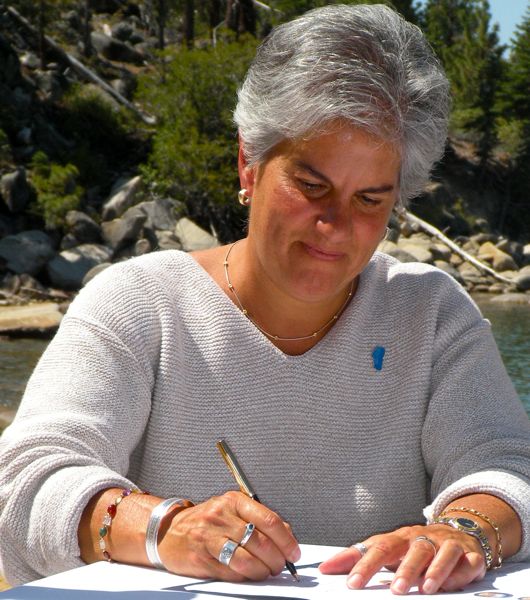
Joanne Marchetta

Most important, for more than half a century, most of the fine sediment that has clouded Lake Tahoe’s famously clear water has been continually carried from buildings, driveways, parking lots and roadways by rainstorms and snow melt. Protecting and restoring this fragile ecosystem is the Tahoe Regional Planning Agency’s central mission and I want to share with you some basic facts about updates to the Lake Tahoe Regional Plan that were recently approved by our board.

Any decent water quality plan for Lake Tahoe—one of only three areas on the West Coast designated an Outstanding National Resource Water—must address the biggest pollutant sources on land. The new Regional Plan is doing that more holistically than ever before by looking at ways to shrink the overall footprint of development in the basin while at the same time recognizing that private property owners have a crucial role to play in reducing the fine sediment coming from their properties.

Under this plan, we will continue push water clarity and environmental quality at Lake Tahoe in the right direction. A key focus of the plan is to help create more walkable, bikeable and attractive town centers to reduce vehicle emissions. Policies also address algae growth and water quality along the lake’s shoreline, called the near shore.

The new plan is neither a development nor a growth plan. Some have gotten used to the idea that the only way to ramp up environmental protection is to create new regulations clamp down on visitors, and reduce access to all activity in Tahoe. Lake Tahoe remains one of the most heavily regulated areas in the nation, and TRPA’s high standards for all projects, regional caps on building and growth, prohibitions on land subdivisions and requirements to preserve open space are all staying in place. Some rules, like dust control at construction sites, requirements for complete streets and rules on fertilizer use are getting stronger.

But a handful of TRPA’s rules have locked bad development in place and created barriers to simple home improvements or environmentally beneficial redevelopment that are today causing more harm to the lake’s cobalt blue waters.

Keep in mind that before many of TRPA’s protections were in place, 75 percent of Lake Tahoe’s wetlands and 50 percent of its meadows were acquired as private property and built on. The loss of these natural filters must be addressed, but a reliable source of public funding to “buy up” some properties from willing sellers or to pay for environmental improvements at the more than 40,000 residences and businesses in the basin simply cannot form the basis of any realistic restoration plan.

To make meaningful advances in these areas, private property owners need the tools and encouragement to make environmental upgrades and remove existing development from sensitive areas, so the new plan includes incentives that do that. TRPA’s targeted enforcement of stormwater infiltration will continue, but the new plan gives small property owners some exemptions for things like garden sheds and new decks when they voluntarily install these measures.

Perhaps the most heartening change to come out of the Regional Plan update process is that usually polarized groups have come together in support of the plan and there is a spirit of cooperation rising up in Lake Tahoe that will provide more forward momentum to repair the lake and our small communities. Despite receiving an unprecedented level of support for the new plan from a broad spectrum of people, there will continue to be some misunderstandings about the plan. The new plan is a water quality restoration plan designed for Lake Tahoe’s 21st century problems. I encourage you to contact us with questions and to take a closer look for yourself with the fact sheets available online.

Joanne Marchetta is executive director of the Tahoe Regional Planning Agency.


What are your New Year’s resolutions?


Squaw to show big-mountain snowboarding movies

Squaw Valley will be showing two showings of Jeremy Jones’ big mountain snowboarding movie “Deeper” on Dec. 27 and “Further” on Dec. 29 to support Protect Our Winters and Girls on the Run.

All shows will be attended by athletes Jeremy Jones, Jonny Moseley, Ralph Backstrom, Iris Lazzareschi and JT Holmes. All will be signing posters before the start of each show.

Tickets for both showings are $15 for adults and $7 for kids 12 and under. One hundred percent of the ticket proceeds from both nights will go to Protect Our Winters and Girls on the Run.

Doors will open at 3pm for the first showings on Dec. 27 and Dece. 29, with the shows starting at 4:30pm. Doors will open at 7pm for the second showings for both dates, with the shows starting at 8pm.

“Deeper” follows Jeremy Jones and other top freeriders as they travel to the world’s snowboarding meccas and venture past the boundaries of helicopters, snowmobiles, and lifts to explore untouched realms.

“Further,” the second installment in the Jeremy Jones’ snowboard movie trilogy, explores some of the world’s most remote mountain terrain while continuing Jones’ mission to camp deep in the backcountry and on the summits of unridden lines to access nearly vertical spines and wide-open powder fields.


Doctors offering free help to injured high school athletes

Barton Rehabilitation & Sports Medicine and Carson Valley Medical Center Rehabilitative Services in conjunction with the Tahoe Center for Orthopedics offers free sports injury evaluation clinics for in-season high school athletes who have suffered a sports-related injury and are seeking professional treatment options.

Clinics are open to all high school sports athletes who may be injured and require professional assessment in order to return to play safely and effectively.

Appointments are preferred — Monday-Friday. Students must be accompanied by a parent or legal guardian.

For more information, call (530) 543.5896.


Alpine Meadows ski patroller caught in avalanche dies

By KCRA-TV

One day after he was caught in an avalanche at Alpine Meadows, a member of the resort’s ski patrol team has died.

Bill Foster passed away Dec. 25 at Renown Medical Center in Reno, according to a statement from resort officials.

“Bill was one of Alpine Meadows’ very best and most experienced professional ski patrollers,” the statement reads. “Our deepest sympathies, thoughts and prayers continue to be with Bill’s wife and all of their family and friends.”

Foster was skiing in the Sherwood Bowl about 10:45am Monday when the ski patrollers set off the avalanche. They were performing routine snow safety at the time, in an area closed to the public, the resort said.

A senior member of the team threw an explosive, triggering the avalanche.

However, it broke much higher and wider on the slope than it had in the past, burying Foster.

He was found in one minute and uncovered within eight minutes, officials said.

Foster spent 28 years on the Alpine ski patrol.


Placerville man dies in Christmas morning house fire

By Laurel Rosenhall, Sacramento Bee

A Placerville man died early Christmas morning when his house went up in flames, according to authorities with the El Dorado County Fire District.

Firefighters arrived about 5am at the home in the 2800 block of Bryan Way in Placerville and found a fire well under way, said Battilion Chief Mike Pott. They were told one person remained trapped inside the house.

“They made entry into the house and the roof started caving in on them after being in there for a couple minutes and they had to pull out,” Pott said.

An hour later, a 67-year-old man was found dead inside the house, Pott said.

He said the home did not have a working smoke alarm.

“If they had had one there is potential that we would have had earlier notification and we would have had a better outcome from this fire,” Pott said.

Investigators believe the fire originated in the living room but have not determined the exact cause. Pott said the Christmas tree was not to blame.

“It’s unfortunate that it’s Christmas Day,” Pott said. “We are saddened anytime somebody passes away but right around the holidays is tough.”


Snippets about Lake Tahoe

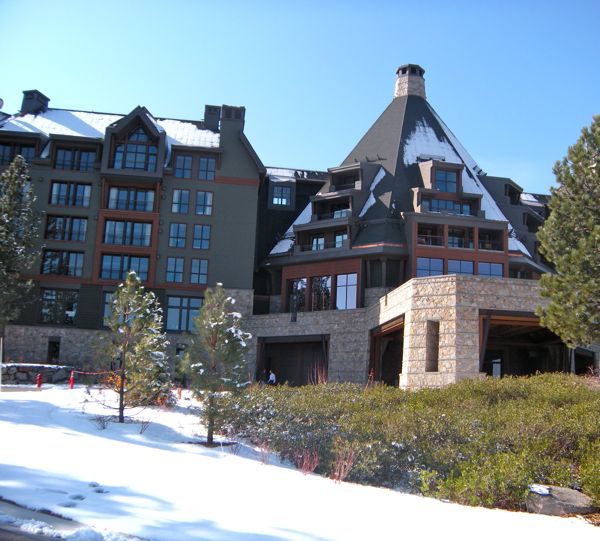
• Ritz-Carlton, Lake Tahoe is on Conde Nast Traveler’s gold list for 2013 as one of the top hotels in the U.S. as rated by readers of the magazine.

• Placer County Supervisor Jennifer Montgomery canceled the Dec. 27 Tahoe coffee meeting because of the holiday week.

• The Trust for Public Land and the Truckee Donner Land Trust, working as part of the Northern Sierra Partnership, raised $11.25 million, meeting a Dec. 20 deadline to buy Royal Gorge Cross Country Ski Area.

• Here are the roadwork schedules from Caltrans for El Dorado-Tahoe and Sierra.

• Tahoe Regional Planning Agency staff provided gifts of clothes and toys to 35 foster children ages 4-17 through Court Appointed Special Advocates. In addition, TRPA staff adopted a family through the Tahoe Family Resource Center and provided wrapped presents of warm clothes and toys for a single mother and her three children, as well as three boxes of food and nearly $600 in local gift cards for the family.


Diet and diabetes go hand-in-hand

By Alice Park, Time

It’s not that doctors don’t know how to treat diabetes; the right diet and medications to control blood sugar can certainly keep the severest symptoms under control. But regular blood checks are challenging, and watching what you eat is even harder. The latest research, however, provides hope for helping people on the verge of developing Type 2 diabetes stick with a low-fat, low-calorie diet that may prevent the disease.

A decade ago, scientists showed that prediabetics who changed their diet and exercised regularly lowered their risk of the disease by 58 percent, a greater benefit than from medications designed to keep blood-glucose levels in check. But that study involved intensive one-on-one sessions in a lab setting–not a practical solution for the 79 million people in the U.S. who are currently the most vulnerable to developing the disease.

So the new trial focused more on the ways people diet in the real world. Prediabetic volunteers took part in group sessions to learn about healthy diet and exercise habits or educated themselves about those strategies using a DVD as well as e-mail and online counseling. Both groups lost more weight and controlled their prediabetes better than those who were provided with the standard diabetes care (basically medication and doctor weigh-ins). Those taking part in the group sessions lost an average of 14 pounds, and the self-trainers shed 10 pounds, compared with 5 pounds lost by the control group.

Such low-resource techniques could become critical to fighting the rising toll of diabetes, which affects 8 percent of the U.S. population, says the study’s lead author, Dr. Jun Ma of the Palo Alto Medical Foundation Research Institute.”We know there are huge numbers of patients out there who need intervention. We just don’t have the manpower and resources to deliver them.”

The findings should help simple tools such as the DVDs and online resources become more widespread and reach more patients before they reach the tipping point, when they fall ill for real. What’s more, self-taught good habits can often be longer-lasting than those hammered into you by a well-meaning doctor.


Sapporo Breweries study finds beer may have anti-virus properties

By Huffington Post

Does beer have anti-virus powers? According to a new study funded by Japanese beer company Sapporo Breweries, a “key ingredient” found in the world’s most popular alcoholic beverage may very well help stave off winter sniffles.

Researchers at Sapporo Medical University found that humulone, a chemical compound in hops, was effective against the respiratory syncytial (RS) virus, AFP reports. In addition, humulone was also found to have an anti-inflammatory effect, according to Sapporo’s news release.

“The RS virus can cause serious pneumonia and breathing difficulties for infants and toddlers, but no vaccination is available at the moment to contain it,” Jun Fuchimoto, a researcher from the beer company, told AFP. The RS virus, which is said to be particularly prevalent in the winter months, can also cause symptoms similar to that of the common cold in adults.

But before you reach for that bottle of your favorite brew, harboring dreams of winter-illness domination, be warned: Since only small quantities of humulone can be found in beer, researchers say a person would have to drink about 30 12 oz. cans of the alcoholic drink to benefit from the anti-virus effect, AFP notes.

Japan’s Kyoto Shimbun News reports that Sapporo Breweries now hopes to create humulone-containing food and (non-alcoholic) beverages that both adults and children can consume.

This is not the first time in recent months that beer has been touted for its “healthful properties” by people in the industry.

In November, Alexis Nasard, Heineken’s chief commercial officer, announced that beer was not only natural but “healthy.” In an interview with CNBC, Nasard also said that beer has fewer calories than a lot of things, including a glass of milk.

However, while experts agree that beer may be beneficial for some people when consumed in moderation, guzzling too much of the brew can also result in heartburn, weight gain, dehydration and a slew of other physical and social hazards that can be caused by drinking too much alcohol.


Snowboarder who died at Donner identified

By Peter Hecht, Sacramento Bee

TRUCKEE – The snowboarder show died at Donner Ski Ranch on Monday has been identified as Steven Mark Anderson, 49, of Hirschdale near Truckee.

He was found dead in 2 to 3 feet of snow in a debris field at the base of the mountain resort hours after he was reported missing Monday morning.

Authorities said the snowboarder was apparently swept away as a moderate avalanche hit between lifts 1 and 6.

Search and rescue teams from the Placer County Sheriff’s Office and ski patrols from Donner Ski Ranch and neighboring Sugar Bowl Resort combed the area and found the body at 1:30pm after being alerted by a search dog.

Nevada County sheriff’s Sgt. Bob Jakobs said none of the several other people skiing or snowboarding in the area was affected by the avalanche. The area of the slide was closed down after the incident.