K’s Kitchen: A soup of carrots and corriander

By Kathryn Reed

Even though it didn’t seem like winter in Lake Tahoe until a few days ago, that was not stopping me from making soup. But something about the snow falling on Monday made it even more appealing to create something hot to eat.

It was easy to forget about work as the aromas from the kitchen filtered through the house and the woodstove made things even cozier.

Something about soup is so calming. Maybe it’s the simplicity of it – the eating part, not always the making part. Maybe it’s how one bowl can be a whole meal.

All of this got me thinking about where the word soup came from. So I did a research and came up with the following.

John Ayto in “An A-Z of Food and Drink” says, “The etymological idea underlying the word soup is that of soaking. It goes back to an unrecorded post-classical Latin verb suppare soak, which was borrowed from the same prehistoric German root (sup-) as produced in English sup and supper. From it was derived the noun suppa, which passed into Old French as soupe. This meant both piece of bread soaked in liquid and, by extension, broth poured onto bread. It was the latter strand of the meaning that entered English in the seventeenth century. Until the arrival of the term soup, such food had been termed broth or pottage. It was customarily served with the meat or vegetable dishes with which it had been made, and (as the derivation of soup suggest) was poured over sops of bread or toast (the ancestors of modern croutons). But coincidentally with the introduction of the world soup, it began to be fashionable to serve the liquid broth on its own, and in the early eighteenth century it was assuming its present-day role as a first course.”

The following recipe was sent to me from a friend who got it from Raley’s Recipe Center.

I used vegetable broth. I did not use fat free half & half. Sometimes fat is a good thing.

Carrot and Coriander Soup

2 T butter

1 medium onion, peeled and chopped

1 lb. carrots, peeled and sliced

2 ribs celery, sliced

1 medium sweet potato (8 ounces), peeled and cubed

1 (32 ounce) container chicken stock or reduced-sodium broth

2 tsp ground coriander

½ C fat free half & half

½ tsp salt

Freshly ground pepper to taste

Melt butter in a medium saucepan, cooking until golden brown. Add onion and cook for 10 minutes over medium heat or until lightly browned. Add carrots, celery, sweet potato and stock to pan. Bring to a boil; reduce heat and simmer, covered, for 20 minutes. Remove from heat and puree with a stick blender or in a blender or food processor. Return to pan and stir in coriander, half & half, salt and pepper. Cook for a few minutes more just to heat through.

Makes 6 servings.


Cardiologist joins Barton Health

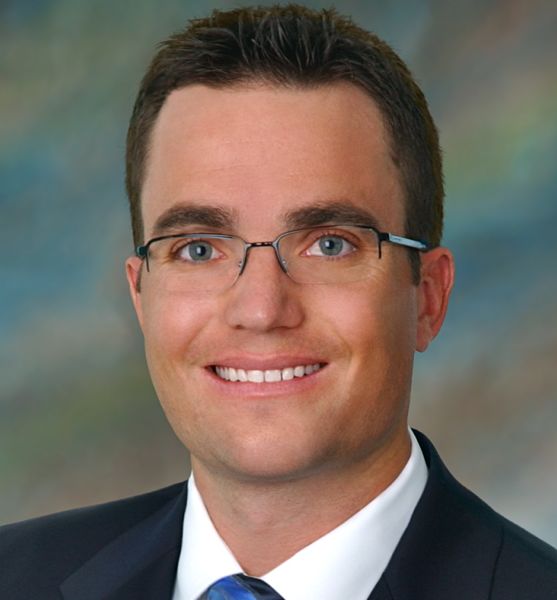
Cardiologist David Young is Barton Health’s latest addition to the South Shore medical team.

Barton Cardiology is one of the latest investments for Barton after bringing in a new sports medicine director from the Mayo Clinic, an audiology expert and expanding patient services.

David Young

While the primary focus is addressing current cardiac patients, Barton would like to develop a cardiovascular center.

Young looks forward to being at the forefront of developing a certified chest pain center to assist in the rapid assessment and treatment of acute coronary syndromes.

“Cardiovascular disease is the number one health problem in our country and does not differ from the population of South Lake Tahoe,” Young said in a press release. “I am a firm believer in easy preventative steps to keep your heart healthy: stop smoking, exercise regularly, have a good diet, maintain a healthy weight and get regular health screenings.”


N. Nevada developing plan to promote sports-recreation

By Anne Knowles

CARSON CITY – Northern Nevada is looking at sports and recreation from every angle to boost its economy.

The bid for the 2022 Winter Olympics, the Reno Bighorns minor league basketball team, the UNR Wolf Pack athletic program, even makers of outdoor gear, all figure into plans to capitalize on sports.

Nevada Lt. Gov. Brian Krolicki and Jon Killoran, the chairman and CEO, respectively, of the Reno Tahoe Winter Games Coalition, and others talked about the various efforts during a breakfast meeting at the governor’s mansion Wednesday hosted by the Northern Nevada Development Authority.

Northern Nevada officials want people to think of the area for sports that go way beyond betting on games at a casino.

“We’re here to talk about sports and the passion of athleticism, but also about business,” Krolicki said.

Krolicki said the coalition of California and Nevada interests are in “hot pursuit” of the 2022 Winter Olympics. He said bids to bring the games to Lake Tahoe are due next summer to the International Olympic Committee, which will decide on the location in 2015, giving the winner seven years to build up the needed infrastructure to host the two-week event.

Killoran said the 2002 Winter Games had a $100 million economic impact on Salt Lake City, which expanded its airport and overhauled Interstate 80 in preparation, and raised the city’s profile internationally.

In the Lake Tahoe Basin, he said, public transportation would be expanded to include high-speed water ferries and to reduce personal vehicle traffic. Krolicki promised the Olympics would be a boon, not a burden, to the basin environment. Money generated by the event, for example, could help fund efforts to improve lake clarity.

Lisa Granahan, Douglas County’s economic vitality manager, said the county has identified suppliers of outdoor gear, particularly soft goods like tents and backpacks, as an industry to attract to the region.

She said the county is already home to four such businesses: North Sails, Aviso Surfboards, Sierra 4×4 Trailers and TechSpec.

“Our goal is to have 700 new jobs by 2022 in new businesses and to develop the services to attract them,” she said.

To that end, the county is planning a cut-and-sew center to make soft goods. Granahan said suppliers are interested in relocating manufacturing to the United States from China, where costs are now rising. A $70,000 grant from the U.S. Department of Agriculture funded start up of the center, which is being housed in space at the Carson Valley Business Park donated for a year rent-free by its owner, Bill Miles, owner of Miles Construction.

Granahan said she would be presenting an update on the county’s economic vitality plan, which comprises 12 areas, including Tahoe revitalization and the South Shore Vision Plan, and trails development, to the Douglas County Board of Commissioners at the commission’s Feb. 10 meeting.

Mike Samuels, assistant athletic director of Nevada Wolf Pack Athletics, described the economic impact of the Wolf Pack moving from the Western Athletic Conference to the Mountain West Conference, which is expected to happen this summer. He said the UNR program, which now receives $500,000 annually from the WAC, will get $2.1 million from the Mountain West. He said the program is working with the Reno Sparks Convention and Visitors Authority to develop tourism packages around the program’s football and basketball schedules.

John Kinkella, director of the Reno Bighorns, talked about the team’s place in the D League, which acts as a minor league to the National Basketball Association, and the money it brings to the region, including 1,200 room nights during this month’s weeklong D League Showcase at the Reno Events Center. The team is now locally owned after being purchased in August 2011 by Reno attorney Herb Santos, and Stephen and Jeffrey Adams.

While no one from the Reno Aces was at the Jan. 25 event, the minor league baseball team will bring money to the area when it hosts the Triple-A All-Star Game in 2013.


Opinion: LTUSD ahead of federal lunch guidelines

By Shelley Giannotta

First lady Michelle Obama and Agriculture Secretary Tom Vilsack released the new standards for school meals Jan. 25.

While I support and encourage ongoing changes and improvements to school meals, I am disappointed to read what Obama had to say. It is unfortunately a generic statement that put all school meals in a negative light.

“As parents, we try to prepare decent meals, limit how much junk food our kids eat, and ensure they have a reasonably balanced diet,” Obama said. “And when we’re putting in all that effort, the last thing we want is for our hard work to be undone each day in the school cafeteria. When we send our kids to school, we expect that they won’t be eating the kind of fatty, salty, sugary foods that we try to keep them from eating at home. We want the food they get at school to be the same kind of food we would serve at our own kitchen tables.”

As I review the new standards that have been released, I am so proud of what we have accomplished here at LTUSD over the past 12 years. We are already doing so much of what is considered “new” according to these standards.

· We offer more fresh fruits and vegetables than ever before.

· We offer only 1 percent or non-fat white or non-fat chocolate fluid milk.

· We ensure that students are getting appropriate portion sizes.

· We monitor sodium levels – we don’t add salt to any foods.

· We have improved breakfast choices to include more protein (yogurt, eggs).

· There is no trans fat in any of our food.

· Nearly all breads, buns, grain items, and pizza products are at least 51 percent whole grain.

· We use brown rice and whole wheat pastas – very little white rice or pasta.

· New offerings such as sweet potato products, homemade hummus, improved entrée salads.

· In 2008, we formed a Farm to School connection with Mt. Moriah Farms.

· We eliminated all deep fat frying in 2001. All of our potato products are baked – never fried.

I know that we can and will continue to make improvements in regard to the 1,800 lunches and the 700 breakfasts that we serve to our student customers every day. I stand behind what we have done to date at LTUSD. I appreciate all of the hard work, dedication, and positive attitudes that the Food Service employees bring to their jobs and our valued student customers every day.

I always remind folks that participation in our meal program is voluntary. It is a choice for students to eat our meals – and we will continue to improve, listen, and offer a great meal for a reasonable price.

Shelley Giannotta is food services director for Lake Tahoe Unified School District.


Carson City man charged in 2 Lake Tahoe bank robberies

A Carson City man has been charged with seven counts of armed robbery, with two of the bank robberies occurring in Lake Tahoe.

Authorities say the fedora-wearing bank robber who struck Bank of the West in South Lake Tahoe on Feb. 18, 2010, is David Griffith Osborne.

Authorities say fedora-wearing bank robber is David Griffith Osborne.

The U.S. Attorney’s Office in Sacramento on Feb. 25 released the complaint against Osborne. He is already in federal custody on unrelated charges.

If convicted, Osborne faces up to 25 years in federal prison for each armed bank robbery.

According to the complaint, Osborne robbed the following California banks:

1. Dec. 22, 2009, Bank of the West, 736 Taylorville Road, Grass Valley;

2. Feb. 18, 2010, Bank of the West, 2160 Lake Tahoe Blvd., South Lake Tahoe;

3. March 9, 2010, Bank of the West, 200 Bear St., Kings Beach;

4. March 31, 2010, Bank of the West, 736 Taylorville Road, Grass Valley;

5. April 26, 2010, Bank of the West, 34 East Gridley Road, Gridley;

6. June 3, 2010, American River Bank, 9750 Business Park Drive, Rancho Cordova;

7. June 29, 2010, Chase Bank, 6669 Clark Road, Paradise.

Osborne also committed the April 12, 2010, armed robbery of the Bank of the West’s Carson City branch, according to authorities.

 — Lake Tahoe News staff report


State transportation dollars coming to South Tahoe

The California Transportation Commission on Wednesday allocated $347 million in new funding to 47 projects designed to provide congestion relief for motorists statewide, with one of them being in South Lake Tahoe.

The state Highway Operation and Protection Program will allocate $3.7 million to construct water quality collection and treatment facilities west of Ski Run Boulevard to Wildwood on Highway 50.

In Placer County, $1 million from the locally-administered State-Local Partnership Program will go to Roseville to widen from two to five lanes a one-mile stretch of Fiddyment Road from Baseline Road to Pleasant Grove Boulevard.

The allocations include $281 million from Proposition 1B, a transportation bond approved by voters in 2006. In total, nearly $12 billion in Proposition 1B funds have been allocated by administrative agencies for statewide transportation needs.

The remaining $66 million in allocations came from assorted transportation accounts funded by state and federal dollars.

Here is the projects list.


Placer County has incentives for adopting pit bulls

Adopt a pit bull or pit bull mixed dog from Placer County Animal Services in Tahoe Vista and get a prize.

Every pit bull or pit bull mix at PCAS is being sponsored by A New Hope rescue with a $50 grant toward the completion of an approved training class, the purchase of a wire metal crate or toward the cost of adoption. Every adopter will also receive the book, “Love Has No Age Limits” by Patricia McConnell, an X-large kong to keep your pitty entertained and training and responsible dog ownership handouts.

Adoption counselors are also available to help start you on the right training path.

All pit bull terriers and mixes and staffordshire terriers and mixes adopted from Placer County Animal Services are eligible for this program.

For more information about this program and about responsible dog ownership, call (530) 546.1990 or (775) 833.2319.


Fireside Chat at Sierra Nevada College

Aaron Katz, the Lake Tahoe attorney who has sued the Incline Village General Improvement District and repeatedly criticized the district, will be the guest at the next Fireside Chat on Feb. 2 in Sierra Nevada College’s Tahoe Center for Environmental Sciences room 139/141.

The chat — hosted by Incline Village resident Andy Whyman — is from 7-9pm.

Katz and his wife have lived in Incline Village since 2007 when he began his research on the history of the Incline Village General Improvement District. It is not his first public lawsuit. Katz has sued a number of public agencies over the past five years, including the Foothill-De Anza Community College District, Mountain View-Whisman School District, El Camino Hospital District, West Valley-Mission Community College District and Campbell Union High School.

Katz alleges the Incline Village General Improvement District has violated state law for years by offering free and discounted services to non-residents and private parties, and it further demands limits be set against the facilities, services and activities the district should be allowed to provide.

For more information on the event, contact Shelia Leijon at (775) 832.1310 or Debi Noonan at (775) 831.1314.


Nevada panel wants money before looking at education funding plan

By Sean Whaley, Nevada News Bureau

CARSON CITY — A panel of lawmakers on Tuesday began a review of the state’s 45-year-old formula for funding public education with an eye toward addressing the needs of the state’s urban districts as they work to educate special education students, English-language learners and children in poverty.

The panel is still searching for funding for a study to help in the review, however. The failure to find private funding for a study could jeopardize any meaningful review in this interim, lawmakers were told.

The panel decided to give the Clark County School District, which advocated for the review in the 2011 legislative session, until Feb. 21 to identify a minimum of $125,000 in private funding to perform the necessary study. The panel would then meet again on Feb. 28 if the funding is secured.

The New Method for Funding Public Schools interim study was authorized by the 2011 Legislature to look at the “Nevada Plan” the current funding formula adopted in 1967.

“As we know over the past several decades since the Nevada Plan was developed and adopted, our state has grown and changed significantly,” Assemblyman Marcus Conklin, D-Las Vegas, the chairman of the panel, said. “A periodic review of the state’s funding methodology for public schools is necessary to ensure that the funding methodology accomplishes what it was originally designed to do – which was to ensure an adequate educational opportunity for all Nevada students regardless of individual school district wealth.”

Following a review of the Nevada Plan, the panel can then determine if inadequacies or inequities exist, he said.

“Then we can develop any recommendations for improvement, if necessary, to ensure that the state’s public school funding methodology equitably considers the individual needs and characteristics of Nevada’s public school student population,” Conklin said.

Joyce Haldeman, associate superintendent of community and government relations with the Clark County School District, said there is no intention with the review to take away funding from other school districts.

Instead, the state’s largest school district would like to see additional factors given weight in the formula, including English language learners, special education students, gifted and talented and students receiving free- and reduced lunches, she said.

The study is the result of Senate Bill 11 sought by the Clark County School District to consider a weighted enrollment formula to take into account the different educational needs of children in the larger districts.

Craig Stevens, director of government relations for the Nevada State Education Association, spoke in support of the study.

“Our state is simply too diverse and the needs are too specialized to have a flat rate just for every single child,” he said. “It really not only hurts those that need the specialization but those that do not as well. We fully support making sure that funds are differentiated so that the student gets the services that they need in order to be fully successful.”

Several parents from Clark County also expressed support for the study, saying the funding formula needs revision because it shortchanges the district.

But Assemblyman Ira Hansen, R-Sparks, a member of the panel, asked for justification for the review, noting a 2007 study by lawmakers identified no inequities in the Nevada Plan.

After spending nearly $250,000, the conclusion was that the Nevada Plan was highly equitable, he said.

“Now what’s changed between 2007 and today?” Hansen asked.

The committee debated how overarching any funding formula review should be, given that no money was allocated for a study. The consensus was that a narrow review, focusing on several key student populations, would be the most practical approach if funding is secured.

The Clark County School District had anticipated $125,000 in funding from a foundation to pay for a study, but the district learned the money will not be forthcoming, Haldeman told the panel. The district is looking for other funding sources, she said.

The Nevada Policy Research Institute, a conservative think tank, weighed in on the Nevada Plan in September 2011, noting that many people, including policy makers, are either confused or deliberately misleading on the issue of per pupil funding in the public schools.

The analysis suggested that when all sources of funding are included in per pupil expenditures, the dollars spent are much higher than are reported by the districts.


Opinion: Freedom and the Internet are victorious

By Tom McClintock

Long ago, Jefferson warned, “The natural progress of things is for liberty to yield, and government to gain ground.” The exceptions to that rule have been few and far between recently, and ought to be celebrated when they occur.

One did this past week with the announcement that supporters of the so-called “Stop On-Line Privacy Act” and the “Protect Intellectual Property Act” have indefinitely postponed their measures after an unprecedented protest across the Internet.

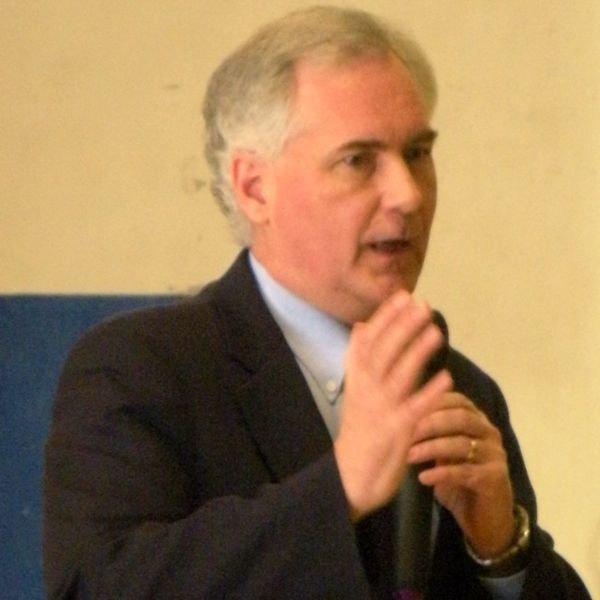
Tom McClintock

SOPA and PIPA pose a crippling danger to the Internet because they use the legitimate concern over copyright infringement as an excuse for government to intrude upon and regulate the very essence of the Internet – the unrestricted and absolutely free association that links site to site, providing infinite pathways for commerce, discourse and learning.

It is not the Internet per se that has set the stage for the next quantum leap in human knowledge and advancement – but rather the free association at the core of the Internet. And this is precisely what SOPA and PIPA directly threaten.

But as dangerous as this concept is to the Internet, it pales in comparison to the danger it poses to our fundamental freedoms as Americans.

It is true that rogue websites operating from off-shore havens are stealing intellectual property and then selling it.

We already have very good laws against that, as evidenced by the recent arrest of Mr. Kim Schmitz and his associates in New Zealand, who now stand accused of operating one of the biggest of these rogue sites.

Theft of intellectual property is fundamentally no different than the theft of any other kind of property. It should be taken no less seriously than the thefts perpetrated by the likes of Bernie Madoff, John Dellinger or Willie Sutton.

It is no different and it should be treated no differently. In every such case, it is the individual who commits the theft and the individual who is culpable and accountable to the law. And it is the individual who is accorded the right of due process, including the presumption of innocence, while he stands accused.

This is what SOPA and PIPA destroy. Upon mere accusation, these measures would allow the government to shut down web sites, ruin honest businesses, impound property, disrupt legitimate speech and dragoon innocent third parties into enforcing laws that may or may not have been broken.

When property is stolen, we hold accountable the individuals who knowingly commit the act, and place the burden of proof on the accuser. The accuser must demonstrate to the satisfaction of a jury that the defendant stole property or that he received property that he knew was stolen.

Yes, it is a ponderous system. Yes, it means you actually have to provide evidence. Yes, it means you have to convince a jury. Yes, it means we can’t catch and successfully prosecute every criminal. But the experience of mankind over the centuries has proven that this is the best possible way to protect the innocent and to protect our freedom while also punishing the guilty. In part, we punish the guilty to discourage others we might not be able to punish.

And as the arrests recently in New Zealand prove, it works. Let Mr. Schmitz and his confederates be extradited and let them have their day in court. Let evidence be presented. Let a jury be convinced of that evidence. And if convicted of one of the greatest thefts in human history, let us mete out the full measure of punishment provided by the law to stand as a fearsome example to others.

That doesn’t and won’t stop all theft and it isn’t perfect. But to replace it with one where mere accusation can bring punishment or inflict ruinous costs upon innocent third parties, would introduce a despotic and destructive concept that is antithetical to the ancient rights that our government was formed to protect.

The developments of the last few weeks have saved the Internet and saved these fundamental principles – at least for now. But Jefferson was right that the natural order is for government to grow at the expense of liberty. That is why we have our Constitution.

And to the protection of that Constitution, the Internet has now empowered its rightful owners, “We, the People,” to defend it more effectively than ever before.

Which leads me to conclude that because of the events of this past week, we will see many more victories for freedom in the days and years ahead.

Tom McClintock represents the California side of the Lake Tahoe Basin in the House of Representatives.