Then and now: Camp Rich always popular

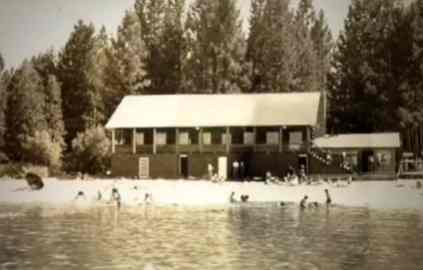
Camp Richardson in the 1950s. Photo/CampRichardson.com

Camp Richardson in the 1950s. Photo/CampRichardson.com

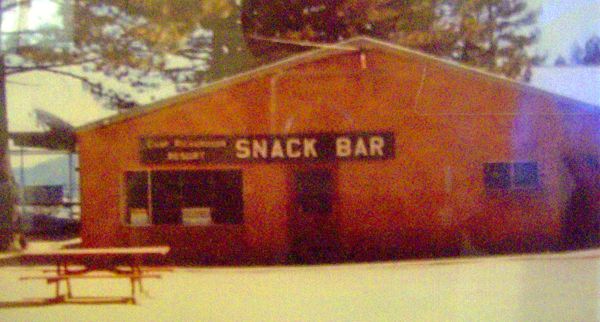
Into the 1950s, a large two-story frame building stood center on the Camp Richardson beach.

Upstairs featured a hardwood dance floor and bandstand stage. Downstairs was storage for rental kayaks, canoes, paddleboards, small boats, and bicycles. The single-story wing (at right) was a snack bar, fronting Camp Rich’s original pier and rental shack (just right of photo).

camp rich-2

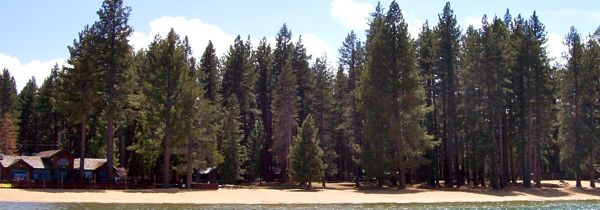
Camp Richardson today. Photo/Bill Kingman

Remnants of that building’s concrete foundation remain today. The pier is gone. The structure visible at far left was a wood frame summertime rental cabin named Austin. (Al Richardson named his rental cabins after historic cars). I stayed there in 1950. Here’s the same beachfront today.

camp rich-3

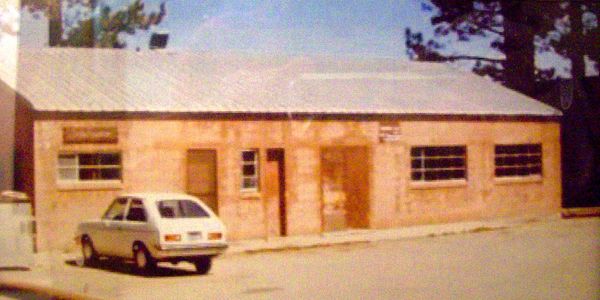
The snack shack, far left, and what it looks like today.

The snack shack, far left, and what it looks like today.

After that old two-story beachfront structure was razed, a new brick snack bar and storage barn combination was built in the mid-1950s on the Austin cabin site. In summertime, its roomy storage area became the dance floor replacement for the old demolished building. It was especially popular with teens, complete with a jukebox. Do you remember “seven plays for 25 cents”?

camp rich-4

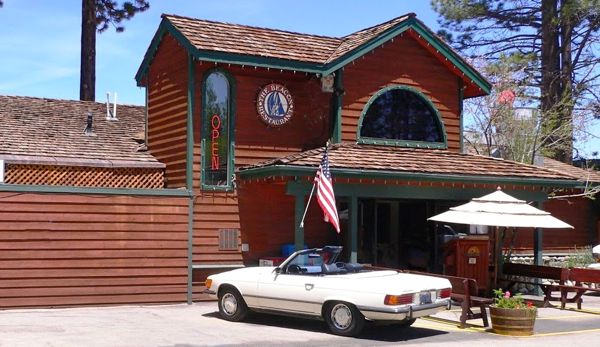
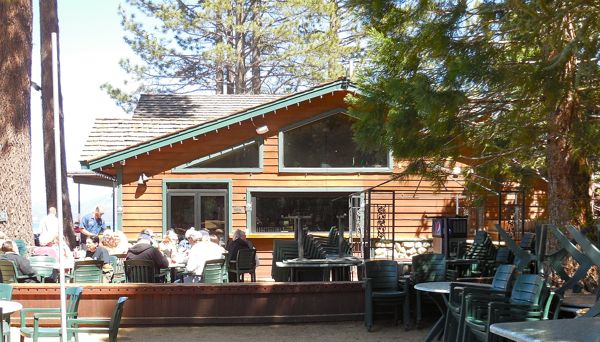
Camp Rich before and now.

Camp Rich, above left, before, and above is now.

South Tahoe High School class of 1959 had its graduation party there.

This 1950s snack bar and storage building evolved into today’s Beacon restaurant in the mid-1980s.

— Bill Kingman


Sonoma — a full bodied experience

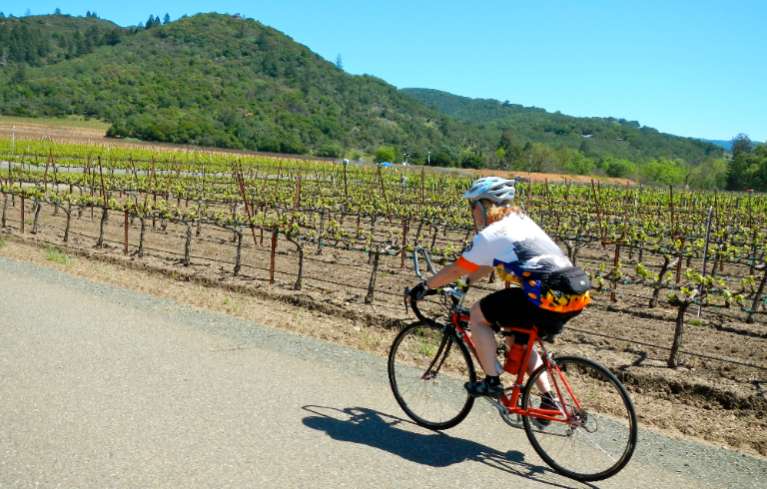
Sue Wood pedals past a vineyard on her way to Chateau St. Jean. Photos/Kathryn Reed

Sue Wood pedals past a vineyard on her way to Chateau St. Jean. Photos/Kathryn Reed

By Kathryn Reed

SONOMA – History beckons from our doorstep. A mission, wineries, early California, Jack London. But contemporary times are just outside, too, including innovative winemaking, cutting edge restaurants, logical trail networks, well-trained massage therapists.

Sonoma. It has it all.

Staying at the Sonoma Valley Inn was the perfect launching pad for a long weekend of fun to celebrate Sue’s birthday last month. The Best Western is just off the Sonoma Square.
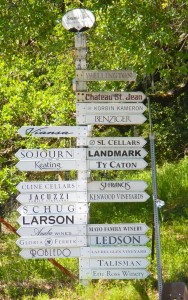
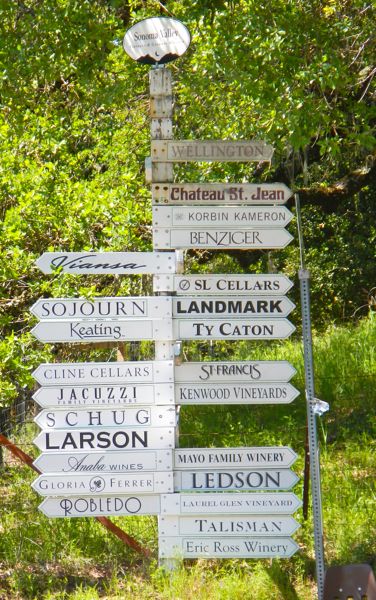
Plenty of wineries to choose from.

Plenty of wineries to choose from.

We start our first full day with a bike ride that ends up being 32 miles through vineyards, a stop at a state park and a leisurely wine tasting.

Zipping along a few city streets – with clearly marked bike lanes – and then onto a trail system, we then end up on Highway 12. The highway part of the ride is not ideal if you get nervous about traffic while on a two-wheeler. But it’s no biggie for those who ride the highways in Lake Tahoe.

After Sue changes my flat, we turn on Madrone Road and head toward Jack London Historic Park. Calmness comes over us as the cars are now few and far between. Instead it’s all about the vineyards that are budding and lush grass on the hills.

Jack London's works on display at the state park named after him.

Jack London’s works on display at the state park that was once his homestead.

The park is 9.8 miles via this bike route from our hotel. The woman taking our money says the mountain bike trails are worth exploring. That was not going to happen with our thin tires and me being out of replacement tubes.

Fortunately, we had been to the park before because it’s not ideal to explore in clip-on bike shoes. And knowing we hadn’t even made it to our halfway point, we didn’t want to linger too long. Still, we took a quick trip through the museum to reacquaint ourselves with one of California’s most famous writers.

On we pedal, now with Chateau St. Jean as our destination. We are allowing ourselves one tasting while on two wheels.

Idyllic, sweeping grounds beckon. A water feature is soothing. I have thoughts of hiring a car to give us a lift back. But it’s Sue’s birthday, so pedaling is how we return to the hotel.

We fuel up on a light lunch at the winery and sip their wines. Tastings are normally $15 per person, but one of the great things about the Sonoma Valley Inn is they have free tasting coupons for some of the nearby wineries. That’s one of the things that led us to Chateau St. Jean – that and it had been years since we were there, and we like their wine.

The hotel

We soothe our muscles in the hotel’s hot tub that is steps from our backdoor patio. It feels like we are in a secluded garden because of the mature landscaping. It’s quiet, except for the other guests. Traffic cannot be heard. Just the birds telling stories.

A pool, fire pit and steam room are part of the courtyard. Many of the rooms at this two-story hotel look out onto this area.
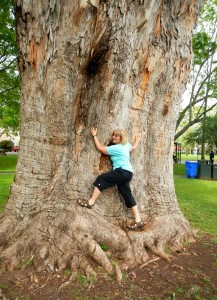
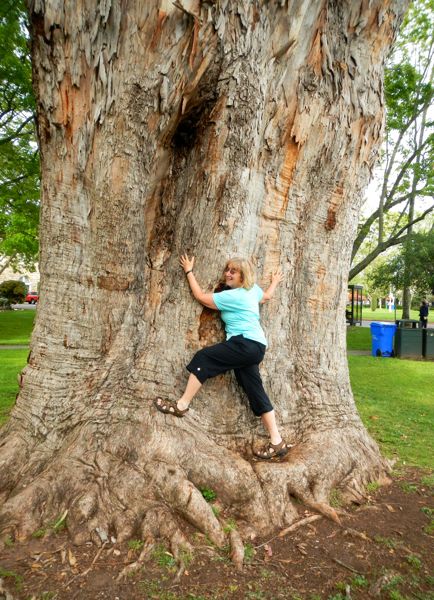
Sue Wood tried to do a little tree climbing at Sonoma Square.

Sue Wood tries to do a little tree climbing at Sonoma Square.

While there are children staying at the hotel, it has a definite adult feel to it. Maybe it’s because everyone seems to be there to go wine tasting – a distinctly adult activity.

We have our four-legged kid with us. AJ likes that she has her own grassy area to do her business.

And the staff all seems to understand people are there to unwind, have a good time and not be rushed. The service is several steps up from the typical Best Western.

The room is plenty big – larger than a typical hotel room, but not quite large enough to fit two massage tables.

A fireplace with a “fake” log is in the corner, adding a bit of ambiance as the evening cools off.

The only downside to the hotel is how far away the complimentary breakfast area is. While it wasn’t a big deal while we were there, had it been raining, it could have been a miserable experience.

Plenty of wineries

From historic to contemporary, from average priced to breaking the bank, from run of the mill service to off the charts – the wineries of Sonoma have it all.

One spot I wanted to visit was Buena Vista. It was my parents’ favorite winery and where my sisters and I threw them a surprise 25th anniversary party.

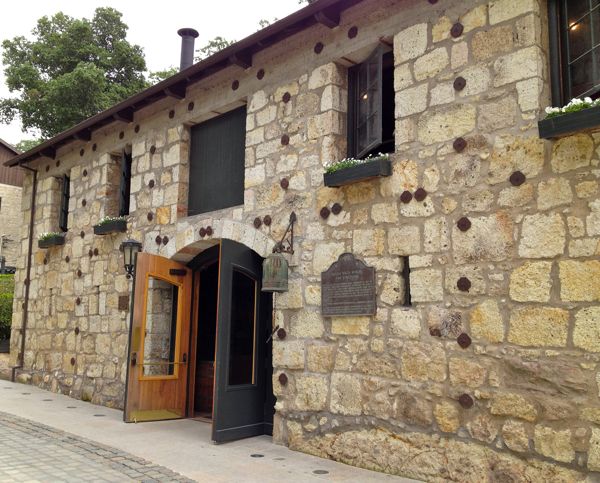
It was founded in 1857 and is considered California’s first premium winery. It is also the state’s oldest commercial winery. It is undergoing a multiyear, extensive renovation.

Close by is Gundlach Bundschu. It started a year later and is California’s oldest continuously family-owned winery.

In the opposite direction are Jacuzzi Winery and Cline Cellars. Both are owned by the same family, with Cline having been established first. And, yes, Jacuzzi is the hot tub family. The winery is built as a replica to the family’s estate in Italy.
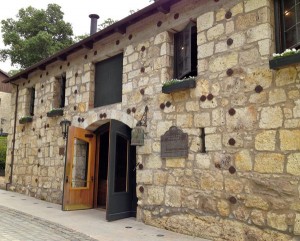
Buena Vista Winery

Buena Vista Winery

We learn about the Sip California card  from women in the hotel hot tub. The discount card costs $50 and is good at more than 20 wineries for the year. They gave us theirs so now we “have” to go back to Sonoma County this year.

Other things

Driving into San Francisco was easy from the Sonoma Valley Inn. We took in a (losing) Giants game that weekend.

We had contemplated getting a massage in our room, but I knew there was no way two tables would fit. So off we went to Spa Sonoma. It was about a five-minute drive.

It was the antithesis of a high-end spa – exactly to my liking. It was a little funky. But the most important part, each of our massages had our bodies feeling like putty.

One night we ate outdoors at the Plaza Bistro. Sue is still raving about the salmon special she had that came with little cherry tomatoes and roasted potatoes. My mushroom risotto was great. We shared a salad of greens and beets as well as crème brûlée.

Another night we opted for Mexican at Maya restaurant. While Mexican food is easy to make vegetarian, so many places don’t. It was nice to look at a menu with choices where I didn’t have to ask for anything to be removed. Sue indulged in the fish tacos. This was clearly a locals place just by overhearing conversations.

And it was nice having a Whole Foods market across the street from the hotel to provide picnic fare and an excellent selection of Sonoma and Napa wines.

—–

Notes:

• Sonoma Valley Inn is on 2nd Street West. Details are online. AJ was an extra $35 for the entire stay.

Spa Sonoma is a short drive from the hotel, or therapists will come to your room.

Jack London State Historic Park is accessible via bike for $5 or $10 per vehicle.


Opinion: Forests vulnerable to climate change

By Robert Hudson Westover

Forests significantly contribute to our quality of life, but climate change is adversely affecting natural resources in rural and urban areas across the U.S.

A report released by the White House, the National Climate Assessment, explores many related issues including how a warming planet affects our forests.

With contributions from U.S. Forest Service scientists, the report is one of the most comprehensive examinations of climate change and its effects on forested land. It concludes that a warming climate will complicate future management of public, private and tribal forests.

“Climate change is currently triggering multiple, sometimes contrasting, responses from our forests,” said Dave Cleaves, U.S. Forest Service climate change adviser. “Longer growing seasons and gradually warming temperatures are helping trees grow faster in some areas, but in other areas, these longer and warmer growing seasons increase late summer moisture stress and reduce tree growth.”

The Forest Service integrates climate change awareness, mitigation and adaptation into the management of its 193 million acres through the Climate Change Performance Scorecard. For example, this tool has encouraged national forests to identify vulnerable water resources, plant more climate-resilient tree species, research carbon storage capacity and more.

Some of the other ways the Forest Service manages wildlands includes reducing the potential for large crown fires expected in a warmer climate by removing hazardous fuels and managing for lower stem densities in dry forests, managing forest genetic diversity to increase resilience to a warmer climate and restoring riparian areas adjacent to streams to ensure cold-water fish habitat during summer low-flow periods.

Public and private forests in the U.S. will increasingly be vulnerable to ecosystem changes and tree mortality through fire, insect infestations, drought and disease outbreaks. At the same time, the need for healthy forests will only continue to increase. Forests provide an expanding opportunity to support emerging bioenergy markets and carbon credit systems. It is likely such uses will interact with the demand for wood products, healthy watersheds and recreational opportunities. There will also be continued economic pressures encouraging a shift from forestland to agricultural or urban land uses.

According to Linda Joyce, a Forest Service scientist, and one of the authors of the report, climate-smart management practices are being developed and implemented, and the agency is maintaining its focus on retaining forests as forests restoring forest health and resilience, and reforesting private and federal lands.

However, Joyce emphasized that implementation of climate-smart management practices can be increased only through effective integration of scientific information in management of our national wildlands.

Robert Hudson Westover works for the office of communication for the U.S. Forest Service.


Report: Nevada lags in preschool funding

By Paul Takahashi, Las Vegas Sun

Nevada continues to have one of the lowest preschool spending and enrollment levels nationally, according to a Rutgers University report released this week.

The National Institute for Early Education Research, a nonpartisan research organization at the New Jersey university, has tracked student enrollment levels and state spending on preschool programs since 2002. The group’s “2013 State Preschool Yearbook” looked at spending and enrollment levels from the 2012-13 school year.

Just 3 percent of Nevada 4-year-olds — 1,272 children — attended preschool that year, according to the report. The Silver State ranked 36th in student enrollment among 41 states with pre-kindergarten programs.

Nationally, 28 percent of 4-year-olds — 1.1 million children — attended preschool that year. Enrollment levels ranged from 94 percent in Washington, D.C., to 1 percent in Minnesota and Rhode Island.

Read the whole story


Weather driving up Calif. cherry prices

By Rachael Myrow, KQED-TV

Once again, the warm, dry winter threw cherry trees off their game all over the state. California usually delivers the nation’s early season cherries, but with yields down around a third of what they usually are you can expect to pay a whole lot more at the market.

The California Cherry Advisory Board has estimated the crop will be 25-50 percent smaller. That’s serious news for the state’s agriculture industry. Cherries bring in $200 million dollars a year in California.

Jeff Columbini of Lodi Farming is in the northern part of the San Joaquin Valley, so his cherry crop is only down about 50 percent.

Read the whole story


Holder: Subtle racism a greater threat than ‘outbursts of bigotry’

By Eyder Peralta, NPR

During separate commencement addresses, Attorney General Eric Holder and first lady Michelle Obama delivered a similar message: On this 60th anniversary of the landmark Supreme Court decision in Brown v. Board of Education, which desegregated schools, we should acknowledge that progress has been made, but in many ways systematic racism still exists, albeit in a more subtle way that is just as sinister.

The Kansas City Star reports Obama spoke at the graduating ceremony for five Topeka high schools Friday night. According to the paper, Obama said schools, for example, are still segregated and “too often, those schools aren’t equal, especially ones attended by students of color, which too often lag behind with crumbling classrooms and less experienced teachers.”

Holder spoke at Morgan State University. Referring to the Donald Sterling fiasco, Holder said that the past few weeks have given us a perfect example of clear, “outbursts of bigotry.”

But the real trouble, the greatest threat 60 years after Brown v. Board is what he called “subtle racism.”

Read the whole story


Workshops delve into planting suitable ornamentals

In searching for ideal ornamental plants, sometimes people find that seemingly perfect plants refuse to stay where they are planted, and begin to invade adjacent areas. Attendees at the Don’t Plant a Pest workshop will be taught how to select suitable ornamentals that will save them trouble and expense and help protect Lake Tahoe’s natural environment.

The workshops are all from 5:30-6:30pm. They are free an put on by the Lake Tahoe Master Gardeners.

  • June 17 at TERC Tahoe City Field Station, aka Historic Fish Hatchery, 2400 Lake Forest Road, Tahoe City
  • June 23rd at Lake Tahoe Community College Demonstration Garden, 1 College Drive, South Lake Tahoe
  • June 25 at North Lake Tahoe Demonstration Garden, Sierra Nevada College, 999 Tahoe Blvd., Incline Village.


LTWC moving to 27 acres in South Lake Tahoe

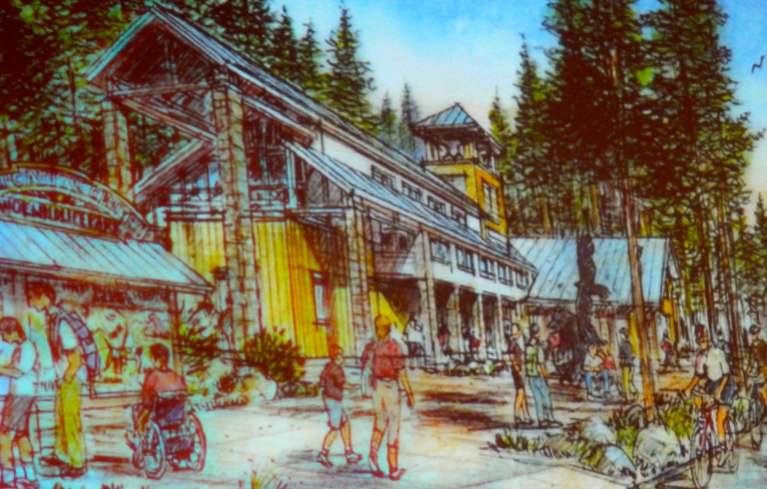
This is an artist's rendering of what Lake Tahoe Wildlife Care will look like.

This is an artist’s rendering of what Lake Tahoe Wildlife Care will look like.

By Kathryn Reed

STATELINE – Lake Tahoe Wildlife Care is moving from the founders’ backyard that is less than 1 acre to 27 acres in South Lake Tahoe.

Tom and Cheryl Millham, who have run the wildlife rehabilitation facility for more than 36 years, were teary-eyed as they made the announcement May 17 at MontBleu casino during a break in the annual volunteer training.

Negotiations to buy the triangular-shaped parcel owned by Marjorie Springmeyer on Al Tahoe Boulevard near Pioneer Trail and the Pioneer Village housing development have been going on since September. This is across from open space called the Springmeyer Land Conservancy.

The lease with an option to buy contract was signed May 15. The price has not been disclosed. Barbara Hartoonian left a substantial sum to LTWC that is allowing for the land acquisition. There is money for the first phase, but extensive fundraising will be required to build the facility the Millhams have been dreaming about for decades.

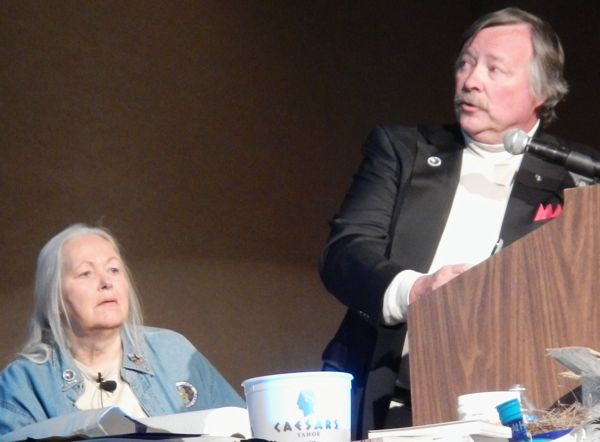
Cheryl and Tom Millham on May 17 announce the deal to move LTWC into the city limits. Photo/LTN

Cheryl and Tom Millham on May 17 announce the deal to move LTWC into the city limits. Photo/LTN

The money left by Hartoonian will only cover a fraction of the more than $10 million that the new facility plus lease is expected to cost.

Bonnie Springmeyer told Lake Tahoe News one of the driving reasons her mother-in-law decided to part with this parcel was because her friend Hartoonian believed in LTWC.

The elder Springmeyer turns 92 this summer. Her family – the Johnsons and that of her late husband Buzz’s – were pioneers on the South Shore as well in the Carson Valley. They still own a tremendous amount of land in both locations.

It has not been decided what aspect of the facility will be named after Springmeyer, but part of the deal is this will also be part of Marjorie Springmeyer’s legacy.

This property was looked at 12 years ago, but Springmeyer was not ready to sell at that time.

The next step is to secure the necessary permits from the city and Tahoe Regional Planning Agency. A zoning change will also be required.

The goal is to break ground in May 2015. Cages have been designed.

Phase one will be the rehabilitation center, including medical facility for the animals. It will also have caretaker’s quarters. Denise Upton, who has been an instrumental part of LTWC in recent years, will take over for Executive Director Cheryl Millham.

“We will be advisers and counselors to the people running the facility,” Tom Millham told Lake Tahoe News.

The Millhams have wanted to retire for years. But they haven’t been able to because the animals are in their backyard. It was in 2001 that El Dorado County told them they had to find another place for the center. It has taken this long to find a suitable location.

The second phase will include an education center that will have a conference center and gift shop.

Fencing will allow for animals that cannot return to the wild to live on site and give a different kind of educational experience for people.

“It will be great economic development for the community. It will give people another reason to stay and play,” South Lake Tahoe City Manager Nancy Kerry told Lake Tahoe News. “It will help diversify the economy.”

She added, “It’s great recognition for one of the founding families of Lake Tahoe.”

Through the years, LTWC has taken in more than 24,000 animals, returned 15,000-plus to the wild, and has trained more than 2,000 people to help care for these animals. LTWC is California’s only rehab facility for bear cubs.


Snippets about Lake Tahoe

lupine-lede• The 13th annual Wildflower Festival at Kirkwood is July 26 from noon-5pm. For tickets and more info, go online. The festival features wine and beer tasting, live music featuring Ciana, a trio performing tunes and songs from the Irish and Celtic tradition, art work on display for purchase, activities for kids and a barbecue on the plaza.

• A massive project in Folsom at Highway 50 is coming; which could make getting to and from the South Shore more cumbersome on busy weekends. Check out this story.

• Maria Elia, chef of Jimmy’s Restaurant at the Landing Resort & Spa in South Lake Tahoe, recently published the cookbook “Smashing Plates: Greek Flavors Redefined.”

• Here are the Caltrans roadwork schedules for the week for El Dorado-Tahoe and Sierra.

• Sierra Arts Foundation has grant money for artists. More info online.


Europe bans pesticide-coated U.S. apples

By Carey Gillam, Reuters

U.S.-grown apples are widely coated with a pesticide that has been newly banned in the European Union amid health concerns, and the United States is at least a year behind in a required scientific assessment of the pesticide, an environmental group said last month.

The Environmental Working Group, a nonprofit health and environmental advocacy group, sent a letter to the Environmental Protection Agency asking for the agency to halt the use of diphenylamine, also called DPA, until a new analysis shows DPA levels on food are safe, the group said.

DPA, which is sprayed on apples after they are harvested to help prevent browning, was first registered as a pesticide in the United States in 1947, according to the EPA.

But recent concerns about the pesticide’s potential links to cancer led the European Union to ban fruits containing more than 0.1 part per million of DPA. That regulation took effect in March.

Read the whole story