Million dollar-plus homes selling well at Tahoe

High-end houses in the Lake Tahoe Basin have been the best sellers the first half of this year.

Strong sales in Incline Village are the main reason for the 30 percent surge from 2015 in sales of houses valued at more than $1 million, according to Chase International.

The units sold was up 12 percent in the first six months of 2016 compared to the same period a year ago. The average price of a home is $779,128, while the median is $525,000, a 1 and 2 percent rise, respectively.

Incline Village and South Shore saw the bulk of the movement, with South Shore seeing a 22 percent increase in units sold.  The average price of a home in South Lake Tahoe is $499,877 and the median is $414,000; up 9 and 7 percent, respectively.

Sales volume in Incline was up 34 percent and units sold up 26 percent. The average price of a home in Incline is $1.37 million (a 6 percent increase) and the median is $995,000 (up 17 percent).

Tahoe City saw declines in units sold (12 percent), with median home price rising 2 percent to $570,000.


Truckee saw huge increases across the board, with a 68 percent increase in volume sold, primarily due to a 158 percent rise in homes selling for more than $1 million. The average price of a home in Truckee is $1.05 million (up 31 percent) and the median price is $629,500 (up 15 percent).


— Lake Tahoe News staff report


Burning Man challenges BLM’s $2.8M bill

By Jenny Kane, Reno Gazette-Journal

The Burning Man organization is challenging a $2.8 million bill from the U.S. Bureau of Land Management after last year’s 70,000-person arts festival in the Black Rock Desert, according to a federal appeal filed by the San Francisco-based arts nonprofit.

The arts organization submitted a 1,000-page appeal in April that accuses the BLM of trying to cover up budget shortfalls and financial missteps with an annual permit that Burning Man says has consistently been overpriced since 2012. The invoice for last year’s permit was about $2.8 million, which Burning Man organizers have started paying off in installments.

The appeal comes a year after BLM officials retracted a request for a $1.2 million VIP compound reserved for higher-ups at Burning Man. The compound was just the tip of the iceberg, according to Burning Man organizers, who are appealing everything from $940,000 in law enforcement costs to a more than $1,000 bill for the shipping of an unknown item from Reno to Gerlach.

Read the whole story


Fundraiser for League on SLT beach

A fundraiser for the League to Save Lake Tahoe will simultaneously feature two movies and music.

Guests will receive headphones for the evening that have three channels for the movies and music. It’s up to each person to choose his or her entertainment.

The July 20 event starts at 7pm at Lakeland Village in South Lake Tahoe.

The feature film will be “The Meaning of Wild,” a documentary about the Tongass National Forest of southeast Alaska. Prior to the feature screening will be “One Day in Yosemite,” which is a 14-minute human kaleidoscope told through the lenses of 30 videographers in Yosemite.

Music will be provided by disc jockeys Roger That and Rizzo.

This is open to all ages. Tickets are $15 in advance, $20 at the door. Discounted tickets are available online.

Dress warm and bring blankets for the beach. Seating will be provided for the movie. Parking will be limited.


NV Energy expects Ariz. plant to bring needed power

By Daniel Rothberg, Las Vegas Sun

As part of a pending sale with electricity generator Calpine, NV Energy plans to acquire an Arizona natural gas plant for $75.6 million and invest about $21 million in the facility.

The price was disclosed in a filing that NV Energy made with the Public Utilities Commission. The filing outlines forecasts for NV Energy’s Northern Nevada operations, which are conducted through its subsidiary, Sierra Pacific Power Co.

The filing was posted on the commission’s website Thursday and contains the utility’s proposed plan for meeting energy demands in the coming years.

Read the whole story


South Lake Tahoe couple uses life’s lessons to teach others how to cope with mental illness

Publisher’s note: This is one of several stories about mental health issues in the Lake Tahoe Basin that will be running through October. All stories may be accessed by going to the Home page, Special Projects, then hit Mental Health.

By Jeanne Nelson

Nearly five years ago a kind nurse saw me sobbing in the waiting area of a psychiatric hospital.

I told her, “I don’t know what to do to help our young adult son.”

Mental-ILLNESS-LOGOBecause of overly restrictive HIPPA laws and our lack of psycho-education at the time we did not know the right questions to ask or the right information to proactively share to get him the help he needed and deserved. This kind nurse whispered in my ear, “You need to find NAMI.”

We had recently retired and moved to this beautiful rural area from the Bay Area. We could not find NAMI (National Alliance on Mental Illness) support and education locally so we would drive five hours each way monthly to attend NAMI Family Support groups in Palo Alto. Our loved one was living in the Bay Area receiving mental health services and supports there.

Through NAMI support we found hope, education and healing. At first we did not comprehend that recovery was possible. The doctors and nurses helping our loved one were so confident about his ability to recover and thrive. We learned quickly the importance of believing in recovery and learned the important role psycho-education of the family/caregiver/friend community support system plays in the recovery process.

Based on our experience we felt compelled to help expand the availability of information about mental illness within the community; hoping to help others avoid the frustrations that we experienced. We now facilitate a NAMI monthly support group for family members and friends of those living with mental illness (second Tuesday of each month at 6pm at the South Lake Tahoe Library). We also offer a yearly evidence-based NAMI Family-to-Family class to help family members learn how to best help their loved ones, and themselves.

After struggling to find our way though the gaps in the mental health and criminal justice system for years we have identified several things that seem crucial to implementing an effective mental health support system, but are often unavailable. First and foremost there is a severe shortage of mental health providers. Psychiatrists are few and far between, and those willing to take on cases involving psychosis are mind-numbingly hard to find.

We need greater cross training for primary care physicians, cross training of mental health professionals in co-occurring addiction, and need greater cross-training of mental health professionals in actual brain science. The notion that bad parenting or purely trauma caused all psychiatric issues is outdated.

Jeanne and Alan Nelson have used their experience to help other with mental health issues. Photo/Provided

Jeanne and Alan Nelson use their experience to help others with mental health issues. Photo/Provided

Trauma is a powerful thing, but genetic predisposition plays a strong role. We are fortunate in South Lake Tahoe to have two psychiatrists (three as of Aug. 1) plus tele-medicine for psychiatry. We also have many quality therapists locally.

LTUSD has secured excellent counselors, psychologists and nurses skilled in mental health focusing on early education and intervention.

We have far superior mental health services in our rural South Lake Tahoe than the vast majority of rural communities across the nation heavily due to the facilitation Barton Health has provided in pulling the community leaders and service providers together to work collaboratively on strategic priorities. Still, the waiting lists are often several months long and you must have very specific types of insurance to access the providers.

Within the mental health system there is no universally recognized standard of care as there is in other fields of medicine. Policies must be enhanced toward a standard of care that is patient-centric. Metrics needs to drive this change in staff behavior and performance.

We had so many families calling us in the South Lake Tahoe area saying their loved one was released from the hospital but they do not have an outpatient appointment yet and they did not know what to do. This is one of the most common places our loved ones slip through the cracks.

This led us to publishing a post-hospitalization tip guide for El Dorado County. They are available at our NAMI support group meeting or one of the six new mental health kiosks located at these locations: Barton ER, Barton Family Medicine, Barton Community Health, El Dorado County Library on Rufus Allen Boulevard, and Lake Tahoe Community College.

Mental health care workers have not yet evolved to a community care approach. In-patient and outpatient workers need to see themselves as part of a single treatment team. The notion that my patient has been released from the in-patient psychiatric unit in Sacramento so my job is done needs to be more than just frowned upon. Policies must be enhanced toward a standard of care that is patient-centric.

Jeanne Nelson believes a sense of humor is critical to get through hard times. Photo/Provided

Jeanne Nelson believes a sense of humor is critical to get through hard times. Photo/Provided

We know that the jails in the United States are the largest provider of mental health services, and yet, they are not equipped to adequately deal with the mentally ill inmates. It is crucial to have a behavioral health court to divert some of the mentally ill arrestees to treatment, rather than jail.

Other counties such as San Mateo and Santa Clara have loads of folks lining up to get into those diversion programs and they have some superbly trained compassionate probation officers skilled at recognizing signs of de-compensation and skilled at facilitating treatment adherence.

Behavioral health court diversion programs require proactive collaboration by the jail nurse, probation, county mental health and substance abuse clinicians, the judge, and NAMI. If any of these key player-ingredients are not playing their position to proactively hunt for improvements in the overall program, we are falling short.

The Mental Health Commission (which is comprised of experienced volunteers) recently agreed to assess our EDC Behavioral Health Court in South Lake Tahoe. Such assessments may inspire establishment of improved performance metrics. The results will be available by late summer.

Another thing that concerns us greatly is that many states across the U.S. have now “voted-in” marijuana as medicine, completely bypassing the FDA required studies to understand fully the potential effectiveness of a drug on a particular illness, as well as the side effects of the drug. Unfortunately, there is extremely limited research to support most of the claims of marijuana’s efficacy as a medicine and there is significant research to suggest that marijuana has a role in the onset of schizophrenia. Thirty-eight percent of those living with alcohol addiction and 53 percent of those with drug addiction have a co-occurring mental health condition and many do not realize it. This is why we emphasize the importance of having the crucial family history conversation with adolescents so they understand family genetics and the risks their choices can play on their life-long wellness.

We often think about how things could have been if we had been better educated about mental health before our journey began and consider what we would have done differently. We now know that family/caregiver support is a key ingredient in the recovery journey.

We now know who to talk to and what questions to ask psychiatrists and other mental health professionals. We know to use California’s AB-1424 form (medical history) and advise all family members with loved ones with mental health conditions to get familiar with this form (available on the El Dorado County website or at our NAMI support group meetings).

In hindsight we should have intervened much sooner in spite of others believing it was “just marijuana” causing the symptoms. We would have attended NAMI support group earlier in the process. We would have attended NAMI education sooner and would have pursued understanding our family history by assessing both addiction and mental health genetic predisposition risks sooner. We would have had crucial conversations with our children earlier.

South Lake Tahoe has made impressive improvements in mental health services and support in the past year, and we are on the verge of a major transformation in the coming years. The better educated we all are about mental illness, the greater our progress and transformation will be.

We encourage a sense of humor within our family and in our community. My husband makes me laugh every day. This spring he surprised me with daffodils he planted in the shape of a giant happy face.

Jeanne and Alan Nelson are the NAMI – National Alliance on Mental Illness – representatives on the South Shore.


Opinion: Trying to understand race relations

By Garry Bowen

A few Lake Tahoe News editions ago, I wrote a memoriam about local Spider Sabich’s early World Cup win, then suffering the indignity of being shot to death in Aspen, Colo., under tragic circumstances. As similar episodes keep recurring over and over in this culture, allow me to memorialize another, more professional experience, in light of our more tragic, national week, from about that same time period.

A few months after Spider’s win at Heavenly in 1968, I landed a job in Denver as a communications consultant. Within a few months of learning the ropes I was engaged by a project in the emerged city of Lakewood, Colo., as they were the first city in the U.S. to incorporate from scratch with a large population base of over 100,000 people. First time in the U.S. until then and none again since that time – unprecedented.

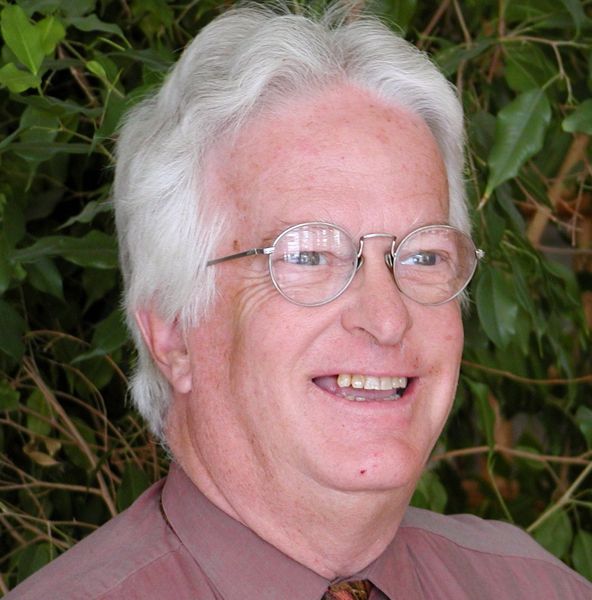
Garry Bowen

Garry Bowen

The learned importance of that project could shed some needed light on the ongoing and current conflicts between this nation’s police departments and at least one of their constituencies, in this case the black citizenry.

I was fortuitous in working with Lakewood, as upon incorporation they were immediately out of both the jurisdiction of Jefferson County (sheriff) and the Denver Police Department. In short, they had to mobilize their “law & order” before they even had a city government in place. The gentleman that took on that job, whose name was Ronald Lynch, was, at the time president of the International Association of Police Chiefs in Washington, D.C., lobbying on behalf of police departments on this continent (including the U.S., Canada, and Mexico – borders are indeed somewhat irrelevant to their work).

In the course of learning how to develop an innovative communications system, it was very useful to understand their daily activities. Lynch took this position precisely due to the immense challenge of starting from scratch, as Lakewood was to be the first public safety department in this country.

Nothing was off the table, as this was an incredible opportunity to look over the entire field of policing, which Lynch shared with me in the process of communications, and in my work in facilitating the needed tasks of day-to-day activities.

One of the things determined by the creation of one of the first public safety departments in the country was concerning recruitment: Lynch was of the studied opinion that when a department advertised for “law enforcement”, what was attracted were “enforcers”, showcasing a trait that may not end up to be that attractive, as policing is not really about security , but about keeping the citizenry secure, a vastly important distinction given our current unwieldly situations.

The other need-to-know was in the sociologic arena – various studies had concluded that an over-emphasis on patrolling “disadvantaged” neighborhoods (while leaving gated communities to their own devices) was going to be problematic, as the levels of trust would need to be structurally shored-up not to cause undue stresses.

Given the structural inequities in share, in compensation, in treatment, it should be apparent that a proliferation of weapon indulgence should be overall curtailed, but is not.

Weaponry was an issue as part of Lakewood’s considerations, as at that time, more than 90 percent of officers had never drawn a weapon, and approximately the same high percentage of those drawn were never fired.

That belies the dignity of most public safety service, as the lack of respect is further eroded, to the increasing detriment of “making people feel secure”, while increasingly relying on an errant idea that security is somehow more important. Security is more often associated with the protection of property than with the protection of people; therein lies the problem, especially when you’re the wrong color, or live in the wrong area of town.

San Francisco (and other cities as well) has begun to revisit these issues, as it is readily apparent that some in police ranks over these decades have not gotten this message, short-changing the maturity needed to be “firm but fair”.

Culturally, added fuel derives from the long-standing and ridiculous rating of our Negro population being characterized in founding documents as “three-fifths” of a person, a rating not extended to the patently immature institutional conduct of not being changed or called-out due to so-called benefits for some that want to keep holding on to ill-advised “tradition”.

It has been said that prejudice is the “greatest time-saver” ever invented, as it saves some from having to think at all – as we are where we are as a culture, such thinking can be seen now as soul-searching, provided one is able to put in any thought, or has the soul to search for the better parts of who we all are.

Garry Bowen has more than a 50-year connection to the South Shore, with an immediate past devoted to global sustainability, on most of its current fronts: green building, energy and water efficiencies, and public health.


Spike in NorCal seniors relying on subsidized meals

By Jocelyn Wiener, Sacramento Bee

GREENVILLE — Lee Marshall loves the mountains surrounding this small community three hours northeast of Sacramento. Even so, it can be hard to maintain a sunny outlook.

On a recent Friday, while waiting for his next Social Security check to arrive, Marshall said he had 24 cents to his name. He had been without the propane he needs to cook or have a warm shower for several weeks. His car broke down months ago and, because he uses an oxygen tank at home, he can’t climb underneath to fix it. He is almost 70, and if he wants to get anywhere, he often hitchhikes.

“That’s the kind of thing I go through because I don’t have any money,” he said.

Five days a week, Marshall and his 13-year-old chocolate Lab, Lucas, wait in their trailer six miles outside Greenville, population 1,129, for a Plumas County employee named Art Davis to bring lunch. For dozens of seniors scattered around this breathtakingly beautiful yet impoverished mountain valley, the small plastic tray Davis delivers holds the only nutritious meal they’ll get all day.

Read the whole story


USFS using herbicide to kill invasive plants

The U.S. Forest Service Lake Tahoe Basin Management Unit is using chemicals on 70 sites to get rid of invasive plants.

The work will continue through September.

Project areas include the 64 Acres parking lot in Tahoe City, Angora Fire area, Baldwin Beach Meadow, Burke Creek Trail, Camp Richardson Corral, Luther Pass Campground, Heavenly Creek Meadow, Heavenly Mountain Resort, the Lower Truckee River below Tahoe City, and the Spooner Summit fire station.

Crews will also treat infestations on numerous urban lots owned by the USFS.

Herbicides used include Rodeo, Milestone, and Telar.

Caution signs will be posted in treatment areas for at least 48 hours after application. Orange and black caution tape will mark the boundary around each treatment area.

Target invasive plants include tall whitetop, Dalmatian toadflax, yellow toadflax, hoary cress and Canada thistle.


Casinos look to video games to draw millennials

By Laura Parker, New York Times 

Forget slot machines and money wheels. American casinos may soon look more like video game arcades.

In February, Nevada and New Jersey passed legislation allowing for the introduction of skill-based games in casinos as a way to draw in younger players. Imagine “Angry Birds” and “Candy Crush” machines next to a high-stakes poker table at Bellagio.

The idea is that one day, different types of skill-based games will exist on casino floors, including games that look and feel more like console video games, from shooters to racing games.

They could be games where single players go against the house, cooperative games like blackjack, or player versus player games like poker. Eric Meyerhofer, the chief executive of Gamblit Gaming, a California company that makes skill-based games for casinos, said the biggest attractions could even be well-known franchises like “Call of Duty.”

“It won’t be a sea of slot machines. You’ll see smaller, more intimate areas with specialized themes,” he said.

Read the whole story


Ex-detective loses case against EDC

A six-day trial ended with El Dorado County winning a discrimination case brought forward by retired sheriff’s Detective Rick Fitzgerald.

It took the eight jurors in U.S. District Court in Sacramento three hours to deliberate before rendering the verdict.

Fitzgerald filed the complaint in January 2013. He said he was the victim of age discrimination, retaliation and constructive termination from his job. He worked for EDSO from Feb. 23, 1991, to Sept. 7, 2012.

Also named in the suit were Sheriff John D’Agostini and former Undersheriff Rich Williams. They, too, were exonerated.

— Lake Tahoe News staff report