Importance of not ignoring signs of suicide

By Alisa Merino

Each year, more people die from suicide than war, homicide and natural disasters combined.

The good news is that suicide can be prevented if the signs are detected and the right actions are taken.

Here are prevention and support hotlines that anyone can call for immediate suicide concerns:
· Suicide Prevention Lifeline
800.273.8255 or text “ANSWER” to 839863
· 24-Hour Psychiatric Emergency Services (El Dorado County Mental Health)
Placerville: 530.622.3345
South Lake Tahoe: 530.544.2219
· Suicide Prevention Network
California or Nevada residents: 775.783.1510
Other local mental health resources can be found online.

Healthy coping skills are critical for dealing with incidents of trauma throughout life. Unfortunately, some people find that life stressors are too difficult and some choose negative ways to cope.

The most critical warning signs of suicide are:

●       Talking about wanting to die or about suicide

●       Talking about feeling hopeless or having no reason to live

●       Looking for ways to kill oneself.

If someone you know is displaying these signs, take action and follow these steps:

Step one: Ask. Ask the person directly if he or she is thinking about suicide. “I’ve noticed you’ve been acting different and I’m really concerned. Are you thinking about suicide?”

Step two: Listen. Hear the person’s story. Listen and offer support without judgment. “It sounds like you are going through a lot. I’m so sorry. How can I support you?”

Step three: Connect. Connect the person to resources. “I want to make sure you stay safe. Can we call someone so that we can keep you safe?”

Certain protective factors can help reduce the risk of suicide, including:

●       Effective behavioral health care

●       Connectedness to individuals, family, community, and social institutions

●       Life skills such as problem solving and coping

●       Self-esteem and a sense of purpose or meaning in life

●       Cultural, religious, or personal beliefs that discourage suicide.

Alisa Merino is the program coordinator for the Suicide Prevention Network, a nonprofit offering education, awareness, and supportive services to members of Douglas and El Dorado counties.


Catastrophic storms, once rare, are almost routine

By Amina Khan, Los Angeles Times
 
While climate change did not cause Hurricane Harvey, it could explain the intensity of this tropical cyclone as well as other catastrophic storms that have hit the United States in recent years, experts say.

Harvey is the latest in little over a decade of “500-year” and “100-year” floods that once were considered rare. The storm, a Category 4 hurricane when it initially made landfall last week, has dumped trillions of gallons of water onto southeastern Texas, submerged houses and freeways, driven Houston-area residents from their homes and resulted in more than 20 deaths.

Climate change won’t mean more storms overall — but it probably will mean that that biggest storms become even bigger, scientists say.

Read the whole story


Letter: Heavenly helps at Bread & Broth

To the community,

Another Bread & Broth Monday meal and another Adopt A Day of Nourishment sponsored by Heavenly Mountain Resort. Thanks to funding provided by Vail’s EpicPromise grant, Heavenly Mountain Resort hosted B&B’s Monday meal on Aug. 28.  

Signing up to support the B&B volunteers were Heavenly’s hospitality market team members Michelle Beall, Chris Eckert, Katie Ficeto and Carley Piper. 

The sponsor’s $250 donation helps to pay for the food, supplies and utility costs that are needed to provide the full course, nutritious meal that fed the dinner guests that arrived at Grace Hall for the evening’s dinner. The guests were treated to roast beef covered in gravy, roasted potatoes, broccoli, and a beautiful fruit salad, all lovingly prepared by B&B’s talented cooks and warmly served by Heavenly’s sponsor crew.

According to Eckert, he and his team members were excited about their experience at the Heavenly sponsored dinner. “Experienced the connection with the community.  Recognized people we see out in the community and are stoked we are able to help and support our South Lake Tahoe neighbors.” 

Eckert and his team members were really helpful and were kept busy serving the 106 dinner guests and then dishing out seconds to 33 diners who returned for another serving. 

Kudos to Heavenly and their sponsor crew members for their dedication to improving the quality of life for those struggling with hunger.

Carol Gerard, Bread & Broth


Essay contest open to grades 7-12

Lake Tahoe and Carson Valley students in grades 7-12 have an opportunity win cash in an essay contest.

This year’s Fleet Reserve Association Branch 137’s theme is What Patriotism Means to Me. Essays must be 350 words.

This is a national contest, with the overall prize of $5,000. Each grade level will receive other recognition.

Each entrant must be sponsored by an FRA member or branch. Winners are selected at the branch level in each grade category, which are forwarded to compete in one of FRA’s eight regions. Regional winners are then forwarded to the Association’s National Americanism Committee, where first-, second- and third-place winners are selected in each grade category. The grand national winner is selected from those writers.


Concussions to be topic of lecture

A panel of experts will lead a discussion Sept. 13 about concussions.

The free talk will be from 6-7pm in the board room at Lake Tahoe Community College.

Panelists include Terry Orr with Tahoe Center for Orthopedics, athletic trainer Jeremy Vandehurst, doctor Tracy Protell, and speech therapists Susanne Bull and Traci Fogliani.

This will be an opportunity to learn more about:

  • Facts, symptoms, research and statistics on concussions
  • What to expect when being seen in the primary care office for treatment
  • How speech therapy is involved
  • Activities of daily living modifications and returning to work
  • Returning to sports with an athletic trainer.


Tahoe Paradise Park reinventing itself

Michael Moughler looks on as his mother and sister kayak around Lake Baron. Photo/Jessie Marchesseau

By Jessie Marchesseau

MEYERS – On a recent Friday afternoon, Michael Moughler lounged on the shore near Lake Baron while his mother and sister paddled their kayaks in the quiet, mirror-smooth water. This is a pretty average day at Tahoe Paradise Park, and that’s part of the reason Michael loves it so much.

He comes here at least three times per week, sometimes more. He walks his dog on the trails, kayaks and swims in Lake Baron and rides his bike around the 56-acre park. He taught his mother, Jan Moughler, how to kayak on this very lake where she is now, in turn, teaching Michael’s sister.

The park is mostly used by locals, and most days it’s pretty quiet. Jan Moughler pointed out that you can still come down here and be able to get a picnic table pretty much anytime, but she also enjoys the events in the park like the concerts, car shows and dog-friendly fundraisers.

Tahoe Paradise Resort Improvement District has been implementing quite a few changes in recent years, including hosting such events. Though they weren’t able to pull together many events this summer, the board of directors has still been busy working on projects.

As for visible changes at the park, the new sign should go in at the entrance this month, the recently restored flower garden is just starting to bloom, and if you take the time to throw in a line, you might pull out one of the freshly stocked trout.

Moughler said he has noticed the trails looking cleaner than in past years and is a big fan of the board’s decision to start allowing dogs in the park a few years ago.

“I just hope that everyone respects it as much as I do,” he said of walking his dog in the park.

The newly resurfaced pickleball courts at Tahoe Paradise Park. Photo/Jessie Marchesseau

Another recent, though less visible change, is the transition from a resort improvement district to a parks and recreation district. Though this change should not have much, if any, effect on the day-to-day operations of the park, it will allow them to take advantage of more recent laws and regulations. The paperwork is still in the pipeline, but the switch is expected to be final in January.

The board is also gearing up for a fall project which includes replacing the deck, adding ADA compliant paths to the building, beach and deck, as well as rehabilitating the sandy beach area in front of the clubhouse. At the Aug. 31 meeting, board members discussed procuring bids in the coming weeks with the intention of completing the project before winter so it will be ready for spring weddings.

Last year, the TPRID board decided to raise the fees for weddings, almost doubling the price, to an amount they deemed to be more in line with the rates of other local wedding venues. Victor Babbitt, chairman of the board, explained that part of the reason behind the price increase was an effort to make the park and its clubhouse more about the community and less about weddings.

Babbitt said he envisions things like community events, boat rentals and kids programs taking place in and around the clubhouse. If it is rented out for a wedding every weekend, it makes that virtually impossible. It also makes maintenance difficult as it can’t be done during weddings and events. However, they still need the revenue from weddings, so having fewer weddings at a higher price has worked out so far.

Another source of income this summer has been fees for using the newly resurfaced tennis and pickleball courts. One of the existing courts was resurfaced as a tennis court again, and one was turned into four pickleball courts. A $3 per day fee was implemented for use of the courts which visitors put into a box designated for payments. It’s strictly on the honor system, and there are enough honest people using the courts that it has brought in more than $1,300 this summer.

The third court still sits in disrepair with its future up in the air. It could become any number of things: a sand volleyball court, basketball court, bocce ball court, tennis court and raised community garden are just some of the ideas being considered.

Moughler, though not much for organized sports, told Lake Tahoe News he thought people would probably like the see the volleyball court put in.

Another potential source of revenue could be created by allowing a Verizon cell tower to be erected on park property. Verizon would pay a monthly rental fee for the tower. While still in the early stages of discussion, if approved, construction of the tower could start as early as next summer. 

Other recent changes include renting out the onsite house which used to be part of the compensation package for the park caretaker. The tenants have been in for nearly a year now. They pay a reasonable rent and perform only minor duties like opening and closing the gates and ensuring everyone is out by closing time.

Tahoe Paradise Park currently has three employees: two maintenance workers and one event coordinator. The board is looking at expanding the staff next spring to also include a part-time park aide, a student intern and possibly a live-in park host similar to a campground host. The host would be able to park a live-in trailer or RV in a designated spot in the park in exchange for helping visitors and performing light park maintenance duties.

The board still has numerous additional master plan items in the works, the largest of which is the installation of bathrooms. With a price tag in the hundreds of thousands, the board is still searching for grants or donations to help fund it. Other projects such as benches around the lake, restoring the large picnic area, installing a gazebo, rehabilitating the basketball and baseball areas, staining the clubhouse siding, creating a walkway through the marsh at the south end of the lake and repairing the parking lot are still on the list. Board members hope they will come to fruition in the no-to-too-far future through a combination of donations, volunteer hours, grants and park funds.

But with all these “improvements” on the horizon, Moughler said he likes the park just the way it is: “I love it here. It’s my little paradise.”


Opinion: Good governance an oxymoron in EDC

By Larry Weitzman

Thomas Jefferson said it best as to what is good governance when he said, “Those who govern least, govern best.”

 I wonder how many high school seniors are aware of TJ’s quote?

Larry Weitzman

El Dorado County is currently spending (wasting) tens of thousands if not hundreds of thousands of dollars in trying to figure out good governance using consultants and massive amounts of time being devoted by high ranking county officials, both elected and in the EDC administration. At a meeting on Aug. 28 a draft of a 12-page document was produced called the El Dorado County Board of Supervisors Governance Manual.

It’s all part of a “strategic plan.” The main purpose of a county is public safety and roads and acting as a fiduciary to make sure county revenues are first spent on those priorities wisely. Everything else is secondary. When I hear the word strategic, I think of the Strategic Air Command or SAC, not some county bureaucrats trying to reinvent the wheel. If the residents of El Dorado County want “good governance” we don’t need 12 pages of government speak with buzz words like protocol, rules of engagement, vision, mission, strategic goals, governance principles, the Board of Supervisors governing as a team, shared purpose, and I could go on. What a crock! We don’t need a team, we need checks and balances. What they want sounds more like socialism (shared purpose).

On Page 8 of this manual is their definition of good governance which states, “achieving the best possible process for making and implementing decisions; characterized by honesty, integrity, accountability, transparency, responsiveness, equitability, inclusion, effectiveness, efficiency and following the rule of law. If you have to have inclusion, it might be a hindrance to effectiveness and efficiency. But as to honesty and transparency (notice the words “absolute, complete and total” are missing and the using of the word “characterized” as the weasel word), there is no such thing in our current government except for a very few. Honesty and transparency certainly didn’t come in to play with the CAO’s “decision” to cut senior legal. That was pure politics, as are many decisions inside government. It wasn’t about saving $250,000; it was about retaliation. But we were told some big lies, particularly from the head of HHSA. Things like this happen all the time in EDC. Manual or no manual, “good governance” will continue as “old governance.”

It doesn’t take a rocket scientist to administer public safety, road construction and maintenance. What it does take is holding government employees accountable in performing the functions for which they are hired and to perform those functions properly in a timely manner. And maybe more important is for those employees at any level in government to always understand that they work for the public, the residents of El Dorado County. Most of those residents never use any other county functions other than the sheriff, district attorney and probation department to provide for our public safety and to maintain our roads and appurtenances (gutters, culverts, etc.) of which even those jobs get colored by politics.

You want honesty and transparency then the following six words needed to be added to the Constitutional Oath of Office: I will perform my duties and all job functions with “Absolute Honesty, Complete Transparency and with Pristine Ethics.” Each employee and government functionary will swear to those six words in performing their duties. Failure to comply will subject an employee to an immediate dismissal.

When you work for government you are a fiduciary to the people, and that fiduciary is critical in governing. The ultimate fiduciary rests with the sheriff as he has the power of arrest just as the district attorney has the power to prosecute. The people bestow this power upon people who must uphold that fiduciary.

If you think there is complete transparency, then why have we hired a spin doctor to keep the public away from those very people who are supposed to perform services? The idea of a spin doctor is the antithesis of transparency. If you are doing the right thing in government, why do you need someone to toot your horn or spin the facts to make you look good? Our current spin doctor, Carla Haas, has done it time and time again, publishing excuses or throwing out red herrings when failing to provide “good government.” Government employees need to answer to their employers (the people) directly. It will make them honest, even though they should be sworn under oath that they would only act in such a manner.

In fact, this whole “good governance” is a PR stunt, in and of itself. The current administration and Board of Supervisors want to make themselves look good: “Hey look we’re trying to have good governance.” It’s a lot like the Affordable Care Act, which in fact for most working, middle class people became the “Unaffordable Care Act” as coverage went down and premiums skyrocketed. But for those who didn’t have insurance, for whatever reason, and got insurance, it was paid for by the government (taxpayers). It was the biggest welfare program since the Great Society.

In the past, and even in the future, with all this good governance stuff, there will still be no written justification and record keeping requirements to spending the people’s money on sole source contracts. That’s outrageous. The motto “Share the wealth, hire your friends” plays a big role here. Several public servants were more prone to the hiring of friends than to meet county needs: Terri Daly, Kim Kerr, Pam Knorr and Larry Combs were pros at that. Things need to drastically change in our hiring, especially with respect to sole source contracts. We need thorough background checks. Job evaluations are mostly rubbered stamped and real evaluations are seldom performed.

This all requires Board of Supervisors to make drastic changes with respect to hiring, retention, evaluation and firing policies while demanding absolute honesty and transparency from staff and themselves instead of the self-serving platitudes of the draft “good governance” manual which is, in fact, an oxymoron.

Larry Weitzman is a resident of Rescue.


Fast-casual movement changing how U.S. eats

By Tim Carman, Washington Post

Holler & Dash Biscuit House is a small, counter-service chain that has made some big promises to diners: Each location of the biscuit-heavy concept will seek out local ingredients for its food and drink, whether naturally raised birds for a fried chicken sandwich topped with goat cheese and sweet pepper jelly, or locally roasted, single-origin beans for drip coffee.

If Holler & Dash sounds like the latest chef-driven fast-casual concept, you’re right. You’re also wrong.

The budding chain is a subsidiary of Cracker Barrel Old Country Store, the publicly traded company with more than 600 restaurants in 44 states. Cracker Barrel — known for its roadside locations, its retail shops based on old-timey general stores and its firing of Brad’s wife — launched its first Holler & Dash last year in Homewood, Ala., and has since opened four more locations, including one in Atlanta. The fast-casual aggressively promotes its two chefs, whose résumés include far more refined — and pricey — restaurants.

Cracker Barrel is simply doing what almost everyone else is: watching the continued popularity of the fast-casual industry and wondering whether it should adopt its practices or just join the growing number of counter-service restaurants dedicated to speed, customization, quality ingredients and bargain prices.

Read the whole story


Nev. pursues more business information for database

By Nicole Raz, Las Vegas Review-Journal

How many veteran-, women- and minority-owned businesses are there in Nevada?

The state might have that information, but in different pieces scattered throughout different agencies. The state does not have one aggregated database containing demographics of Nevada businesses.

Starting at the start of next year, though, new business license applicants and those renewing their business licenses on Nevada’s online portal, SilverFlume, will be asked to complete a voluntary survey to help create such a database, per two Assembly bills that will go into effect by Jan. 1.

Read the whole story


Diana (Bahn) Freeman — 1957-2017

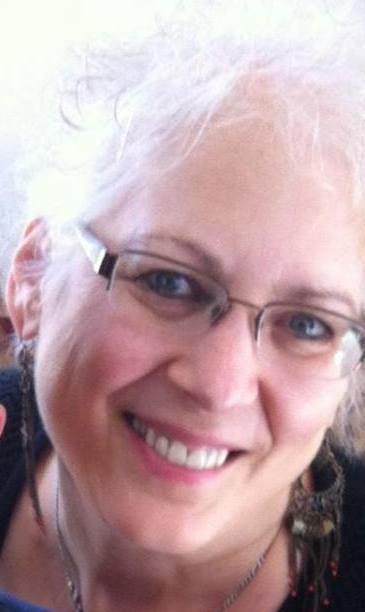
Diana Freeman

Diana Freeman, 59, of South Lake Tahoe went to be with the Lord on Aug. 25, 2017, surrounded by her family at her home and following a two-year battle with cancer.

Diana was born in Rhode Island to Robert and Rita (Ostrofsky) Bahn on Nov. 22, 1957, and grew up in Connecticut and later in Colorado, where she graduated from high school and college.

Diana was the beloved wife of Stan Freeman whom she married April 24, 2003.

She was a 35-year resident of South Lake Tahoe and worked for many years at Harrah’s Lake Tahoe, El Dorado County Mental Health Department and for the past several years at Barton Memorial Hospital as a customer representative. At Barton Hospital she helped many of their clients in their time of need and was often specially requested by Barton’s clients because of her caring nature and passion to help.

Diana’s loving, selfless heart was displayed through her love of her children and animals. She often took troubled children into her home and loved them as their mother, even while raising her own children. Occasionally meeting some of these children later in life who still referred to her as “mom” and loved her dearly. Diana was an animal lover and had many pets throughout her life, including her dogs, Lacey, Dexter, Roscoe,Tina, Saoirse and Jack as well as her cats Pie, Otto and Isabel, most of whom were adopted. She loved them as part of her family.

Diana was an excellent singer and had the voice of an angel. Her ability to sing harmonies was astounding and as a young woman she performed and sang publicly. She expressed her love for our Lord with her beautiful voice through her participation in the worship team of Lake Tahoe Christian Fellowship.

Diana was an avid reader and also loved to paint and spend time gardening. During her illness it was a great source of joy for her to rise very early in the morning, sit on the deck, pray and watch the birds come to feed while reading, painting and singing. She loved to travel to Merida, Mexico, with her husband, a city that she and her mom fell in love with over 30 years ago, and spend time at her little home there. She loved the culture, the food and interacting with the Mexican and Mayan people and especially the children.

Diana is survived by her husband, Stan Freeman; sons Steven and Josh (Juliette) Villela; step-sons Conor and Emmet Freeman; grandchildren Aidan Villela and Belle Villela; mother Rita Bahn; sister Kathryn (Chris) Kelln; brothers Robert Bahn, Eric Bahn and Christian (Mary-Martha) Bahn; sister-in-law Adrienne Freeman; brother-in-law John (Barbara) Freeman; and her many nieces and nephews, all of whom she loved dearly.

She was preceded in death by her father, Robert Bahn.

Family, friends and others whose lives Diana touched are invited to a memorial service and celebration of her life at 11am on Sept. 23 at Lake Tahoe Christian Fellowship, 3580 Blackwood Road, South Lake Tahoe.