

Feds evaluate using drones at ski resorts


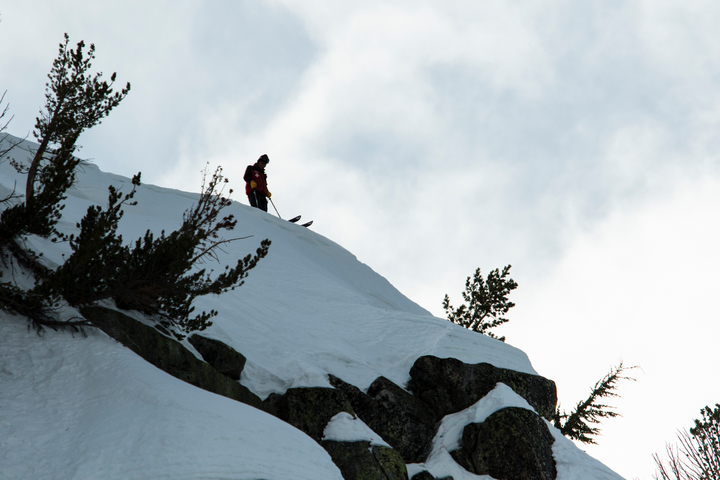
Sierra-at-Tahoe isn’t ready to stop having patrollers be in charge of avalanche control. Photo/Provided
By Susan Wood
The idea of having drones deliver avalanche charges at ski resorts may one day fly with regulators, but major roadblocks now hinder movement in that practice.
The U.S. Department of the Interior is looking into the initial concept as a way of keeping ski patrollers who conduct this duty even more safe.
The high-flying practice is illegal right now. But that hasn’t stopped some who monitor the nation’s ski resorts and accidents from looking into it.
The turn-about in the snow patrol world appears to raise more questions than answers — from resort chiefs and ski industry pros to forest officials and aviation regulators.
Currently, the Federal Aviation Administration’s drone regulations ban them from being flown over crowds or dropping anything – much less explosives from the sky. A drone is deemed an aircraft under federal law as it is “capable of sustained flight in the atmosphere,” according to FAA statute.
The U.S. Department of Defense uses drones for reconnaissance and air strikes over foreign land. U.S. airspace is not allowed.
“Anyone who wants to drop something from an aircraft must take steps to ensure that doing so won’t endanger people or property on the ground,” FAA Pacific Northwest spokesman Ian Gregor explained to Lake Tahoe News.
The ski industry is keeping a close eye on the suggestion.
“The federal government would need to allow the delivery of explosives from a drone first. The FAA prohibits it at this time, so that is a major obstacle. Until that changes, I don’t see much movement in this area,” National Ski Areas Association spokeswoman Geraldine Link said.
Lake Tahoe ski resorts may now use an unmanned aircraft system (UAS), aka drone, for advertising and snow monitoring purposes under special use permits, according to the Lake Tahoe Basin Management Unit. Dropping charges for avalanche control is yet another matter.
No ski resorts have sought a permit yet, LTBMU spokeswoman Heather Noel indicated. If the request meets the screening criteria, the Forest Service may allow for the flight under the discretion of its authorized officer.
“It can be an amazing technology or a detriment,” Noel said.
And there lies the bane and the blessing of using drones.
The video footage coming out of these devices is amazing and often useful. Take the recording made during the last series of wet storms that produced major flooding in the Carson Valley.
Hence, a picture – or in this case a track, is worth a thousand words.
However, drones have also come under fire for flying into areas where crews are fighting wildland blazes. In some circumstances, they have already hindered firefighting air operations.
Still, if managed well, drones may bring a whole new dimension to avalanche control safety as well as pilot programs to film skiers.
“This is certainly an idea worth considering, but there are so many things to think about,” California Ski Industry Association Executive Director Michael Reitzell said, listing a whole set of questions:
· How would the drone be programmed?
· Who would operate the drone?
· How will it deliver the explosives?
· How would the explosive be lit?
· In hard snow conditions, how will the drone make sure the explosive does not slide all the way down the hill?
Reitzell, who is an attorney, noted a major case would have to be made that this technology is safer than current methods. He pointed to the recent fatality of a Squaw Valley patroller, but defined the tragic incident as “extremely rare.” (Squaw officials declined to comment on the drone topic.)
Then, what happens when one malfunctions? After all, it is a computerized device.
“A resort would have to be pretty much 100 percent certain that it will always have control over the drones. They also would need to withstand the significant weather as well,” he told LTN. “
Moreover, should we take out the human factor in judging the safety of a slope?
“I would also imagine that many patrollers would say there is a bit of an art to avalanche hazard mitigation. It would probably be much more difficult for them to feel comfortable that a slope is stable if they were using drones,” Reitzell added.
At least one Lake Tahoe ski resort head expressed cautious optimism in terms of considering new technology as an alternative to snow safety patrol.
Sierra-at-Tahoe General Manager John Rice told LTN he believes drone technology “would be worth looking at” if crucial factors are considered.
“I feel that drone technology is still in development stages, as we have seen they can sometimes drop out of the sky or be affected by other signals,” he said. “The placement of hand charges in avalanche control work is very precise to achieve desired results. If the GPS accuracy could be dialed in to the degree of military use, and drones could be operated in high wind and storm events, then it might be an alternative. But I don’t believe the current drones can operate successfully in such conditions as they currently exist.”
Heavenly and Kirkwood mountain resorts’ spokesman Kevin Cooper declined to comment for this story.
