On-site medics integral to SnowGlobe’s survival
By Kathryn Reed
“We would not be able to have SnowGlobe if Rock Med was not here.”
Those are the words of South Lake Tahoe Fire Chief Jeff Meston. For a department his size, when there are four patients it is considered a multi-casualty incident.
If everyone who was treated at the three-day music festival went via ambulance to Barton Memorial Hospital, it would overload that facility and cripple the ambulance service.
These are reasons why the volunteer medical team is so important to South Lake Tahoe’s annual music festival, which returns next week.
“There are more medical calls at SnowGlobe than we would have in several days in the city,” Meston told Lake Tahoe News. “They have had 30 people OD or some emergency situation at any time.”
Alcohol and harder drugs are the primary reasons people seek medical care.
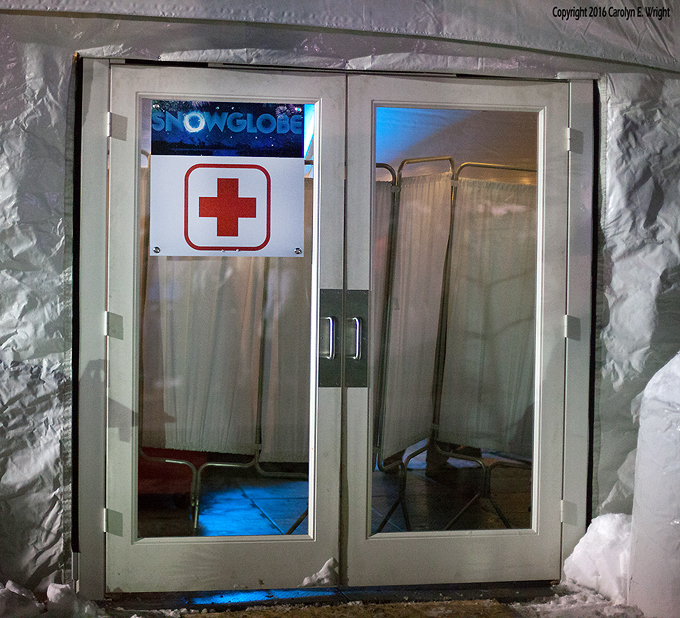
Rock Medicine has been at every SnowGlobe concert in South Lake Tahoe. Photo Copyright 2016 Carolyn E. Wright
Even though the medical facility is onsite, every year concert-goers end up in the emergency room at Barton.
“For the last several years, the Barton Emergency Department has seen between five and 15 patients from SnowGlobe per day. Most patients seen in the Emergency Department come for adverse effects from alcohol intoxication and use of illegal substances. Approximately half of the intoxicated patients seen were under the age of 21,” Lance Orr, medical director for Barton’s ER, told Lake Tahoe News. “Patients under the influence require more monitoring and attention from emergency staff and physicians. Occasionally we see patients originating from SnowGlobe who have sustained a minor traumatic injury. Such injuries are more common when the conditions are icy.”
The concept of Rock Medicine was started in 1972 by legendary music promoter Bill Graham. Upon his request the Haight Ashbury Free Clinic in San Francisco provided medical care in a tent to Grateful Dead and Led Zeppelin concert-goers.
George “Skip” Gay was a doctor at the clinic at the time. In 1973, he founded Rock Medicine. The organization now provides medical care at concerts throughout Northern California, as well as being the primary caregivers for Levi Stadium – home of the San Francisco 49er football team.
Rock Med declined to be interviewed for this story.
Chad Donnelly, the promoter for SnowGlobe, said of Rock Med, “They do an incredible job of looking after attendees.”
Even so, sometimes concert-goers need to be taken to the hospital.
“If someone using Rock Med services needs additional medical attention, Rock Med’s medical staff sends patients by ambulance to the Barton Emergency Department. When Rock Med closes their medical facility for the day, patients not ready for discharge from medical care are directed to the Barton Emergency Department,” Orr said.
Rock Med brings a small army of doctors, nurses and other support staff who are able to perform an array of medical procedures.
“They have more people on duty at SnowGlobe than we have firefighters and police officers in the city,” Meston said.